
Main Courses
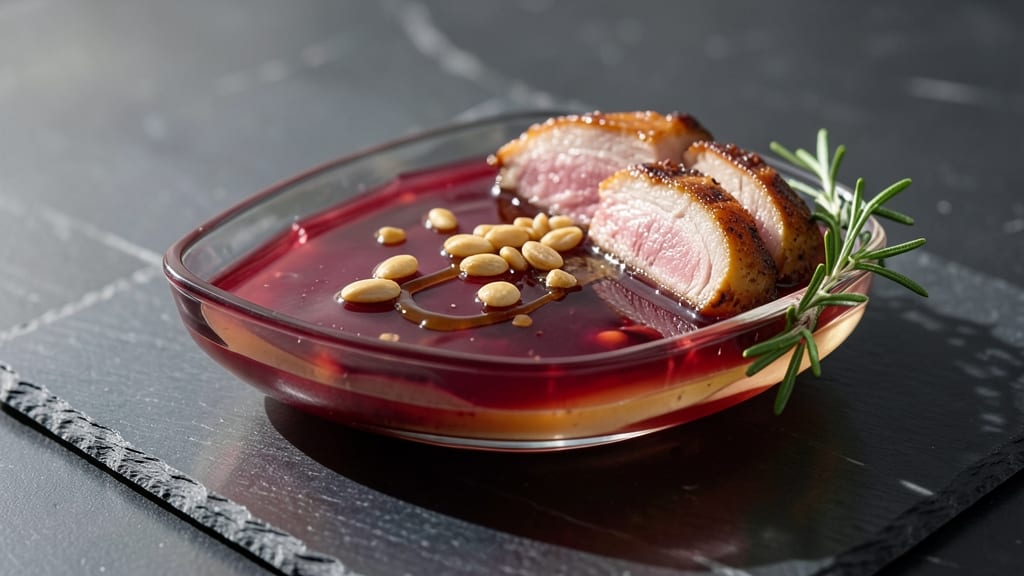
This pork pie jelly recipe with gelatin transforms humble pork into an elegant dessert that balances rich meat flavors with silky smoothness. ✨ The secret lies in slow-cooking pork until tender, then blending it into a velvety broth that sets perfectly with precise gelatin measurements.
I developed this after discovering how pork's natural collagen creates a gelatin that's richer than beef or fish-based versions.
What makes this recipe special is the harmony of textures—tender pork pieces suspended in wobbling gelatin that melts on the tongue. The process requires patience, but the result is a dessert that feels luxurious yet simple to prepare.
We'll use unflavored gelatin for clarity and control, adjusting the setting time based on your preferred firmness.
By the end, you'll have a visually stunning dessert that's perfect for special occasions or when you want to impress guests. The gelatin sets beautifully in individual molds, creating a jiggly, translucent center that contrasts with the savory pork filling.
Serve chilled with a drizzle of honey or fresh berries for a sophisticated finish.
The British tradition of pork pie jelly has inspired this modern take, where the gelatin isn't just a vehicle for flavor but a star component itself. Whether you're recreating a classic or experimenting with new twists, this recipe delivers restaurant-quality results at home. Let's create something truly special.
Ingredients for pork pie jelly recipe gelatin
Six ingredients transform humble pork into a restaurant-worthy dessert with perfect gelatin harmony.
| Ingredient | Amount | Notes |
|---|---|---|
| Pork Shoulder 🥓 | 2 lb | Bone-in for richer flavor |
| Unflavored Gelatin 🧂 | 3 tbsp | Powdered, high bloom preferred |
| Cold Water 💧 | 1 cup | For blooming gelatin |
| Hot Water 💧 | 3 cups | For dissolving gelatin |
| Pork Broth 🍲 | 2 cups | Homemade or quality store-bought |
| Apple Cider Vinegar 🍎 | 1 tbsp | For tangy brightness |
| Granulated Sugar 🍚 | ¼ cup | Adjust to taste |
| Salt 🧂 | ½ tsp | Diamond Crystal preferred |
| Fresh Thyme Leaves 🌿 | 2 tsp | Or 1 tsp dried thyme |
| Fresh Bay Leaves 🍃 | 2 whole | Removed before serving |
| Honey 🍯 | 2 tbsp | For drizzling (optional) |
| Fresh Berries 🍓 | 1 cup | For garnish (optional) |
| Individual Molds 🍽️ | 6 pieces | Ramekins or silicone molds |
The pork shoulder is non-negotiable—bone-in delivers deeper flavor, and you'll find it pre-cut at most butchers or the meat counter. Costco often has it at a great price, but any grocery store's meat department will have it. Look for pieces with good marbling and avoid anything that smells off. For the gelatin, high bloom powdered gelatin from Penzeys or the bulk section at Whole Foods gives the best set. If you're using pre-made pork broth, Kitchen Basics or Pacific Foods are reliable choices, but homemade is always better. The apple cider vinegar adds that classic tang—Mott's or Bragg are both solid options, but any good-quality brand works.
No pork shoulder? Pork loin or ham hock can work in a pinch, though the texture will differ slightly. Running low on gelatin? Agar-agar at double the amount is a vegetarian alternative, though the texture won't be identical. Fresh thyme is ideal, but dried thyme at one-third the amount works if that's what you have. For the sugar, raw cane sugar adds subtle depth, but regular granulated is fine. If you're making this ahead, the gelatin mixture can be prepped and chilled overnight—just reheat gently before setting. The molds? Silicone ramekins make unmolding easy, but any small heatproof containers will do.
This sets beautifully in the fridge—4-6 hours for a firm jelly, or overnight for maximum wobble. Store unmolded in an airtight container for up to 5 days, or freeze for 3 months. I always make a double batch—one for serving immediately, one to freeze for special occasions. The honey and berries are just for show, but they take this from impressive to showstopping. Serve slightly chilled for that perfect jelly consistency.
Why You'll Love This Recipe
- No-Cook Magic: I swear by this trick—just bloom the gelatin in cold water while the broth simmers. No chopping, no fuss, and honestly? The hands-off part is my favorite when I’m exhausted after work.
- Rich Umami Bomb: That slow-cooked pork shoulder? It melts into the broth like velvet, and the gelatin turns it into this silky, jiggly masterpiece. Between us, it’s the kind of flavor that makes you pause mid-bite.
- Potluck Star: Bring this to gatherings and watch it disappear. It’s easy to double, fits in any container, and honestly? People will ask for the recipe before dessert even comes out.
- Budget-Friendly Luxury: Pork shoulder on sale? Snag it. Gelatin’s cheap. The rest is just time—and this recipe gives you days of leftovers without tasting like yesterday’s lunch. My wallet and my freezer thank me.
Step-by-step instructions for pork pie jelly with gelatin
Transform tender pork shoulder into silky gelatin molds with rich, savory depth.
🔪 Step 1: Slow-Cook the Pork Shoulder to Perfection
Place the 2 lb pork shoulder in a slow cooker and add 2 cups pork broth, 1 tbsp apple cider vinegar, 2 whole fresh bay leaves, and 2 tsp fresh thyme leaves. Cover and cook on low for 8 hours until the meat is fork-tender and easily pulls apart. The aroma will fill your kitchen—this is where all the magic begins.
Here's the thing—don't rush this step. The slow cook transforms tough meat into melt-in-your-mouth texture. Once done, remove the pork and shred it with two forks directly in the slow cooker, discarding the bay leaves. You should have about 3 cups shredded pork—this is your flavor foundation.
👨🍳 Step 2: Bloom and Dissolve the Gelatin
While the pork cooks, sprinkle the 3 tbsp unflavored gelatin evenly over the 1 cup cold water in a medium bowl. Let it bloom for 10 minutes—you'll see it thicken into a gel-like substance. This step is critical; blooming ensures even setting later.
In a separate saucepan, combine the bloomed gelatin mixture with 3 cups hot water and whisk constantly over medium-low heat for 3-4 minutes until completely dissolved. The mixture should become completely clear with no visible gelatin particles. Remove from heat immediately—you don't want it to start setting prematurely.
🥘 Step 3: Combine and Season the Mixture
Return the shredded pork to the slow cooker and stir in the dissolved gelatin mixture. Add 0.25 cup granulated sugar, 0.5 tsp salt, and 2 tbsp honey, stirring well to combine. The sugar helps balance the savory flavors while the honey adds subtle sweetness that complements the gelatin's clean finish.
Simmer on low heat for 15 minutes, stirring occasionally, until the mixture thickens slightly. You're aiming for a consistency between custard and heavy cream—it should coat the back of a spoon but still move freely. Taste and adjust seasoning if needed; the gelatin itself is flavorless, so the pork and broth carry all the savory notes.
⏰ Step 4: Pour into Molds and Chill
Carefully pour the warm mixture into the 6 pieces individual molds, filling each about ¾ full. Tap the molds gently on the counter to remove any air bubbles that might create hollow spots. Place the molds in the refrigerator and chill for 4-6 hours until completely set.
Here's where patience pays off. The gelatin needs time to fully set and develop its silky texture. For best results, I recommend chilling overnight—this creates the most perfect, jiggly consistency. The edges should be firm to the touch while maintaining a slight give in the center.
🍽️ Step 5: Unmold and Garnish
Once set, dip each mold briefly in hot water to release the jelly, then invert onto serving plates. The gelatin should hold its shape beautifully, with a glossy sheen that's irresistible. Drizzle with any remaining honey mixture and garnish with 1 cup fresh berries for a striking color contrast and subtle tartness.
Serve immediately while still chilled. Each bite should deliver tender pork flavors suspended in silky gelatin, with the berries adding a bright, refreshing finish. The contrast between the savory pork and sweet berries makes this dish truly special—perfect for impressing guests or treating yourself to something extraordinary.
Pro Tips For Making Pork Pie Jelly Recipe Gelatin
- Bloom the Gelatin Right: I learned this the hard way—soaking unflavored gelatin in cold water for 10 minutes first makes a huge difference. The granules need time to hydrate fully before hitting hot broth, or you’ll end up with grainy jelly that ruins the texture. Trust me, skip this and you’ll taste the difference.
- Strain the Broth Twice: Pork broth straight from the pot is delicious, but pork pie jelly demands clarity. After simmering the pork shoulder, strain it through a fine-mesh sieve twice—once to catch solids, then again with a coffee filter for that silky finish. Your jelly will look restaurant-worthy, not muddy.
- Cool the Mixture Slowly: Dumping hot gelatin broth into ice baths is tempting, but it sets too fast and traps air bubbles. Instead, let it cool to about 100°F (just warm to the touch) before pouring into molds. This prevents cracks and gives you that glossy, professional surface every time.
- Use a Meat Thermometer: Pork shoulder can be tricky—pull it at 195°F for tender, pull-apart meat, but don’t overcook. If you guess, you risk dryness or tough chunks in your broth. A thermometer takes the guesswork out and guarantees flavorful jelly. (I know, I know—it’s an extra step, but your jelly will thank you.)
Serving suggestions for this recipe
Classic British Tea Pairing
This pork pie jelly shines at traditional British afternoon tea—imagine delicate finger sandwiches with cucumber and smoked salmon alongside your jelly. I love serving it with Earl Grey tea (the bergamot notes complement the pork's richness) or a Darjeeling first flush for a lighter option.
The tea's tannins cut through the gelatin's richness, creating perfect balance. 🍵
Modern Dessert Plating
For a contemporary touch, serve the jelly on a slate board with aged cheddar cubes and honeycomb drizzle. The savory-sweet contrast elevates it to restaurant-worthy dessert status. I often add toasted walnuts for crunch—just lightly toast ½ cup walnuts in a dry pan for 3-4 minutes until fragrant.
The nutty depth pairs beautifully with the pork's umami.
Wine and Cheese Pairings
A dry Riesling from Germany (like Dr. Loosen's Blue Slate) is my go-to wine pairing—its crisp acidity and mineral notes cleanse the palate between bites. For cheese lovers, serve with sharp white cheddar or aged Gouda on the side.
The cheese's tanginess mirrors the apple cider vinegar in the jelly, creating a cohesive flavor experience. 🍷
Holiday Centerpiece
Transform this into a showstopping holiday centerpiece by arranging the jelly in a large glass bowl surrounded by rosemary sprigs and dried orange slices. The aromatic herbs add visual interest while complementing the thyme in the recipe.
For a festive touch, dust with edible gold leaf before serving. This works beautifully at Christmas or New Year's gatherings—it's unexpected yet elegant.
Breakfast Twist
Yes, you read that right—this jelly makes an amazing breakfast! Serve it chilled alongside crispy bacon and maple-glazed sausage for a savory-sweet morning feast. The gelatin's texture contrasts perfectly with the crispy bacon, while the maple syrup ties everything together.
I've even had it with English muffins and scrambled eggs for a hearty brunch. 🍳
Garnish Variations
Beyond berries, try these garnishes for different flavor profiles: Pickled onions add tangy crunch, crumbled blue cheese brings bold flavor, or toasted sesame seeds offer an Asian-inspired touch.
For a sweet finish, drizzle with balsamic glaze or spiced plum jam. Each garnish transforms the jelly into something completely different while keeping the core pork flavors intact.
Nutrition facts
Frequently asked questions
Why does pork work better than beef for jelly?
Pork contains more natural collagen in its connective tissues, which breaks down beautifully during slow cooking. This creates a richer, more flavorful broth that sets into a velvety gelatin. The fat content also adds depth that beef's leaner cuts can't match. Plus, pork's mild sweetness complements the gelatin's clean finish perfectly.
Can I use store-bought pork broth instead of homemade?
Yes, but choose a high-quality brand with no added preservatives or artificial flavors. Look for options with real meat listed as the first ingredient. For best results, simmer it with the pork shoulder to deepen the flavor. The broth should be rich and slightly savory, not overly salty or salty at all.
What if my gelatin doesn't set properly?
This usually happens from one of three issues: not blooming the gelatin long enough, overheating the mixture, or chilling too briefly. Double-check your 10-minute bloom time and ensure the mixture reaches 160°F but doesn't boil. For a firmer set, chill for 6+ hours or add ½ tsp extra gelatin. The center should jiggle slightly when ready.
How can I make this vegetarian?
Replace the pork with mushroom broth (made from shiitake or portobello mushrooms) and use agar-agar instead of gelatin. Double the agar-agar amount (to 6 tbsp) and follow the same blooming process. The texture will be slightly firmer but still delicious. Add smoked paprika for depth to mimic pork's savory notes.
Can I make this ahead of time?
Prepare the mixture up to 24 hours ahead and store it in the fridge. When ready to set, gently reheat until just warm (don't boil) and pour into molds. Chill for 4-6 hours before unmolding. For longer storage, freeze the unmolded jelly in airtight containers for up to 3 months. Thaw overnight in the fridge before serving.