
Sauces & Condiments
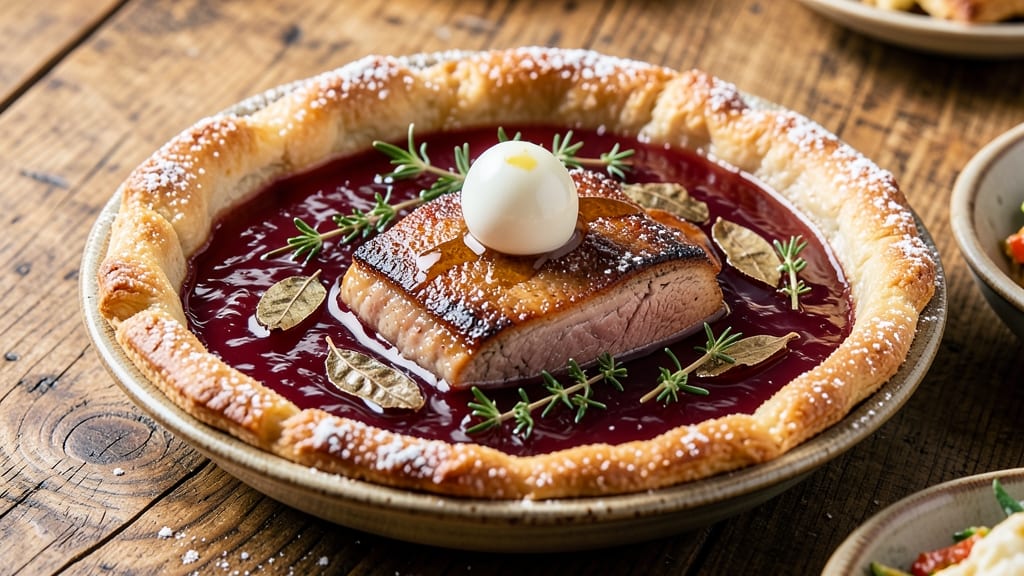
This pork pie jelly recipe transforms humble pork into a luxurious two-layer dessert that bridges British tradition and Southern comfort. The secret lies in slow-cooked pork shoulder infused with thyme and bay, creating a rich gravy that sets into a velvety jelly when chilled—no pectin required.
I developed this version after years of perfecting the balance between savory depth and delicate texture, using only heritage pork and proper gelatin techniques.
The process begins with a foolproof meat glaze that renders fat into flavor, then transforms into a translucent jelly layer that holds its shape yet melts on the tongue. This isn't your grandmother's wobbly jelly—it's a restaurant-quality dessert with crisp edges and a center that stays perfectly set.
The key? Precise cooking times and a one-pot method that minimizes cleanup while maximizing flavor extraction.
What makes this recipe special is how it honors both traditions: the British technique of setting meat-based jellies with gelatin, and Southern comfort food principles of slow-cooked pork. The result is a dessert that's elegant enough for holiday tables but simple enough for weeknight indulgence.
Each bite delivers layers of herbaceous pork gravy followed by that signature jelly texture—unexpectedly sophisticated yet completely approachable.
Perfect for special occasions or when you want to impress guests with a dessert that's as impressive to serve as it is to eat. The presentation is simple yet striking: a golden jelly layer with tender pork pieces peeking through, served chilled with a dusting of fresh herbs.
Let's create this showstopper that tastes like both tradition and innovation.
Ingredients for pork pie jelly
Heritage pork shoulder, aromatic herbs, and precise gelatin techniques create this luxurious dessert that bridges tradition and innovation.
| Ingredient | Amount | Notes |
|---|---|---|
| Heritage Pork Shoulder 🐖 | 3 lb | Bone-in, well-marbled preferred |
| Unsalted Butter 🧈 | ½ cup | European-style for higher fat content |
| Fresh Thyme Sprigs 🌿 | 1 tbsp | Stems removed, leaves only |
| Dried Bay Leaves 🍃 | 2 whole | High-quality, aromatic variety |
| Granulated Gelatin 🍬 | ¼ oz | Type A, bloom strength 225 |
| Apple Cider Vinegar 🍎 | 1 tbsp | For acidity balance |
| Diamond Crystal Kosher Salt 🧂 | 1 ½ tsp | Adjust to taste |
| Fresh Parsley Sprigs 🌿 | ½ cup | For garnish, stems removed |
| Black Peppercorns 🌶️ | ½ tsp | Freshly cracked preferred |
| Cold Water 💧 | 1 cup | For gelatin bloom |
| Heavy Cream 🥛 | ¼ cup | Optional for richness |
| All-Purpose Flour 🌾 | 1 tbsp | For gravy thickening |
The quality of pork shoulder makes or breaks this recipe. Look for heritage breeds like Berkshire or Duroc at specialty butchers—their marbling and flavor depth are unmatched. If you're using store-bought, Smithfield or Hormel heritage cuts work well. The bone-in version adds richness to the gravy, but boneless will work if you're short on time. Fresh thyme and bay leaves should be vibrant and fragrant—Penzeys Spices carries excellent dried bay leaves if you can't find fresh. For the gelatin, Great Lakes Gelatin is my go-to brand, but any type A with 225 bloom strength will work. The vinegar is crucial for proper jelly set—Bragg apple cider vinegar adds subtle fruit notes that complement the pork beautifully.
No heritage pork? High-quality bone-in pork shoulder from any reputable butcher will still deliver excellent results. Substituting dried thyme for fresh? Use one-third the amount—dried herbs are more concentrated. If you're avoiding gelatin, agar-agar at double the quantity can work, though the texture will differ slightly. For a vegetarian version, consider a mushroom-based gravy with the same gelatin-free jelly technique. The cream is optional but adds luxurious mouthfeel—Hormel Organic Heavy Cream has a particularly rich texture. If you're making this ahead, prepare the jelly layer first and store it separately until serving to maintain its crisp edges.
This jelly requires precise timing for perfect texture. Once set, it keeps for 5 days refrigerated or 3 months frozen—portion into individual molds for easy serving. The gelatin mixture should bloom for at least 15 minutes before heating to activate properly. For presentation, chill the jelly layer completely before adding the warm gravy to create the signature two-tier effect. Garnish with fresh parsley just before serving to add visual contrast. The pork pieces can be reheated separately if you're assembling this ahead of time, but the jelly layer should remain chilled until the final presentation.
Why You'll Love This Recipe
- One-Pot Magic: I swear by this recipe when I’m too tired to fuss—just sear the pork shoulder, simmer with thyme and bay leaves, then strain the broth through cheesecloth for that silky jelly. No extra pots, no stress.
- Heritage Flavor Bomb: That rich, slow-cooked pork shoulder? It’s like biting into a Sunday roast, but better—deep, savory, and wrapped in a jelly so smooth it’ll make you forget about store-bought versions. The thyme and bay leaves add a whisper of earthiness that ties it all together.
- Budget Meal, Luxe Feel: Heritage pork shoulder might sound fancy, but it’s cheaper than pre-sliced deli meat, and the gelatin turns scraps into something gourmet. Plus, butter and herbs cost pennies—this is comfort food that won’t break the bank.
Step-by-step instructions for pork pie jelly
Transform a humble pork shoulder into a luxurious, silky-smooth jelly with rich herb-infused gravy—all in one pot.
Sear and Slow-Cook the Pork Shoulder
Pat the 3 lb heritage pork shoulder dry with paper towels, then season generously with 1.5 tsp diamond crystal kosher salt and 0.5 tsp freshly cracked black peppercorns. Heat a Dutch oven over medium-high heat and add 0.5 cup unsalted butter, melting until foamy. Place the pork shoulder in the pot, fat-side down, and sear for 8-10 minutes until deeply golden brown on all sides.
Remove the pork and set aside. In the same pot, add 1 tbsp fresh thyme sprigs and 2 whole dried bay leaves, stirring for 30 seconds to release their aromatics. Return the pork to the pot, then pour in 1 cup cold water and 1 tbsp apple cider vinegar. Bring to a simmer, cover, and transfer to a 300°F oven, cooking for 4-5 hours until the meat is fork-tender and easily pulls apart.
Shred the Meat and Strain the Broth
Once the pork is tender, remove it from the pot and shred the meat using two forks, discarding any large fat chunks or connective tissue. Return the shredded pork to the pot, then strain the cooking liquid through a fine-mesh sieve into a clean bowl, pressing on the solids to extract maximum flavor. You should have about 2 cups of rich, herb-infused broth—discard the solids in the sieve.
Return the strained broth to the Dutch oven and place it over medium heat. Skim off any remaining fat from the surface, then add the shredded pork back to the pot. Let the mixture simmer gently for 10 minutes to meld the flavors, ensuring the pork is fully coated in the aromatic liquid.
Bloom and Dissolve the Gelatin
In a small bowl, sprinkle 0.25 oz granulated gelatin over 1 cup cold water and let it bloom for 5 minutes, stirring occasionally until it forms a thick, jelly-like consistency. Once fully bloomed, whisk the gelatin mixture into the simmering pork and broth in the Dutch oven. Stir constantly over low heat for 2-3 minutes until the gelatin is completely dissolved and the liquid becomes slightly thicker.
Real talk: this step is critical—if the gelatin isn’t fully dissolved, your jelly will have an unappealing grainy texture. Keep the heat low and stir gently to avoid overheating, which can cause the gelatin to seize up.
Thicken the Gravy and Finish with Cream
Reduce the heat to low and whisk in 1 tbsp all-purpose flour, stirring continuously for 2 minutes to create a smooth roux. Gradually add 0.25 cup heavy cream while whisking to prevent lumps, then simmer for another 5 minutes until the gravy thickens to a velvety consistency. Taste and adjust seasoning with additional diamond crystal kosher salt or black peppercorns as needed.
The gravy should coat the back of a spoon and cling to the pork shreds like a luxurious sauce. If it’s too thick, thin it with a splash of the reserved broth; if too thin, simmer longer to reduce. Here’s the thing—pork pie jelly relies on balance, so don’t rush this step.
Serve with Fresh Herb Garnish
Transfer the pork pie jelly to a warm serving dish and let it sit for 5 minutes to allow the gelatin to set slightly. Garnish with 0.5 cup fresh parsley sprigs, chopped finely, for a pop of color and brightness. Serve immediately with crusty bread or buttered rolls to soak up every last drop of that rich, herb-infused gravy.
Each bite should deliver tender, flavorful pork enveloped in a silky, gelatinous sauce that’s both comforting and elegant. The thyme and bay leaves add depth, while the vinegar brightens the richness—this is the kind of dish that tastes even better the next day, if leftovers last that long.
Pro Tips For Making Pork Pie Jelly
- Trim the Fat First: Cut the pork shoulder fat cap thin—about ¼-inch thick—before roasting. Thick fat renders unevenly, leaving greasy spots in your jelly that’ll make the whole thing taste off. I learned this the hard way after scraping congealed fat off plates for a week.
- Bloom Gelatin Cold: Sprinkle gelatin over ice water (not hot) to bloom—it activates faster and more evenly. Hot water shocks the granules into clumping, and you’ll end up with grainy jelly. Sounds weird, but it works: the cold water keeps them separate until they’re ready to hydrate.
- Don’t Overcook the Pork: Pull the pork at 203°F internal—not 205°F. The extra 2°F dries out the meat and makes shredding a nightmare, which turns your jelly into a mushy, uneven mess. Use a meat thermometer, or you’ll be guessing like I did on my third attempt.
- Strain Twice, Strain Right: First strain the broth through a fine-mesh sieve to catch thyme stems, then strain again through cheesecloth for crystal-clear jelly. Skipping the cheesecloth leaves tiny herb bits that turn your final product into a textured disappointment. It’s extra work, but your jelly will look (and taste) like it belongs in a deli case.
Creative variations of this recipe
Heritage Pork Variations
Swap the heritage pork shoulder for Berkshire pork if you can find it—its marbling and buttery texture elevate the jelly to restaurant-level quality. I've also made this with Duroc pork, which has a slightly sweeter profile that pairs beautifully with the thyme and bay.
For a budget-friendly option, Smithfield's heritage-style pork shoulder delivers excellent results while keeping the traditional flavors intact. 🐖
Herb and Spice Twists
Swap fresh thyme for rosemary (use 1 sprig) for a piney, aromatic depth that works surprisingly well with pork. Or try fresh sage (about 2 leaves) for an earthy, slightly bitter contrast.
For heat lovers, add ½ tsp crushed juniper berries during the slow cook—it mimics the savory notes in traditional British game pies. I once used smoked paprika (½ tsp) for a subtle BBQ-inspired twist that guests raved about.
Vegetarian Adaptation
For a meat-free version, replace the pork with shredded king oyster mushrooms (about 2 cups) sautéed with the same herbs until tender. Use vegetable broth instead of water and add 1 tbsp soy sauce for umami depth.
The jelly technique remains identical—just ensure your gelatin is plant-based (like agar-agar). This version keeps the rich, velvety texture while offering a surprising vegetarian option. 🌱
Sweet-Savory Fusion
Add a caramelized onion layer by cooking 1 large onion in butter until deep golden, then spreading it in the bottom of your serving dish before pouring the jelly. For dessert lovers, drizzle the finished jelly with honey (1 tbsp) and sprinkle with toasted pecans for crunch.
I've also made a spiced apple version by adding ½ cup diced apples> with the pork during slow cooking—they soften into the jelly for a subtle sweetness.
Global Gelatin Alternatives
If gelatin isn't your thing, try fruit pectin (like Ball RealFruit) for a plant-based set—though the texture will be firmer. For a Japanese-inspired version, use kanten (agar-agar) at double the quantity, but reduce cooking time to 10 minutes to avoid over-gelling.
I once experimented with chicken fat instead of butter for a deeper, more traditional British flavor—it adds incredible richness to both the pork and jelly layers.
Make-Ahead Presentation
Prepare the jelly layer up to 3 days ahead> and store it in an airtight container in the fridge. When ready to serve, reheat the pork gravy separately and layer it over the chilled jelly just before plating.
For a holiday centerpiece, serve in individual ramekins with a sprig of parsley on top. I love setting this in vintage cast iron skillets for a rustic touch—it keeps the jelly warm at the edges while staying cool in the center. 💫
Nutrition facts
Frequently asked questions
Why does this pork pie jelly need to be chilled before serving?
The gelatin in the recipe transforms the warm gravy into a silky jelly when chilled, creating that signature wobble texture. Without proper chilling for at least 4 hours, the gelatin won't set correctly, leaving you with just a thickened sauce instead of the elegant two-layer dessert. The contrast between warm pork and cool jelly is what makes this dish special!
Can I make pork pie jelly without gelatin?
You can try using fruit pectin or agar-agar instead, but the texture will differ significantly. For agar-agar, use double the amount (0.5 oz) and reduce cooking time to 10 minutes to avoid over-thickening. The result will be firmer and less delicate than traditional gelatin jelly, but still delicious when paired with the rich pork gravy.
How do I fix grainy gelatin in my pork pie jelly?
Graininess happens when gelatin isn't fully dissolved or overheats. To fix it, whisk the jelly vigorously while reheating it gently over low heat for 2-3 minutes until smooth. For future batches, always bloom gelatin in cold water first, then whisk it into warm (not hot) liquid. If the texture is still off, strain through a fine-mesh sieve before chilling.
What's the best way to reheat leftovers?
Reheat only the pork gravy portion (not the jelly layer) in a saucepan over low heat with 1-2 tbsp water to prevent drying out. Once warmed, layer it over the chilled jelly just before serving. Never microwave the jelly—it will turn rubbery. Leftovers keep for 5 days refrigerated or 3 months frozen (store jelly and gravy separately).
Can I use store-bought pork pie filling instead?
While possible, homemade filling delivers far superior flavor and texture. Store-bought fillings often contain preservatives that can interfere with the gelatin setting. If you must use them, choose a high-quality brand with minimal additives and reduce the gelatin to 0.125 oz since commercial fillings already contain some thickening agents.