
Main Courses
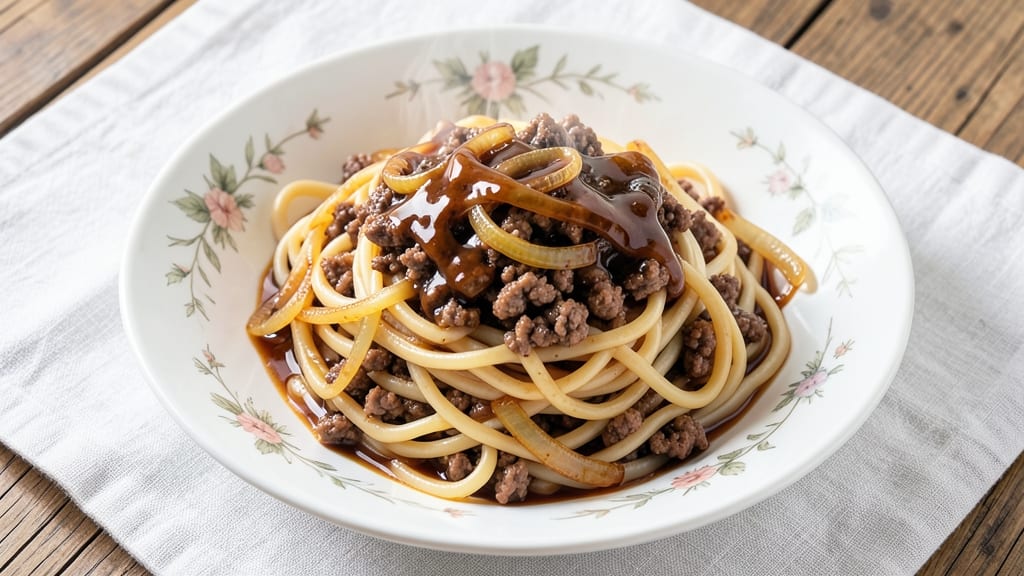
This slippery pot pie noodle recipe delivers the signature silky texture that makes every bite feel like magic. The secret lies in a high-protein egg noodle dough that cooks up impossibly tender, gliding effortlessly through rich gravy.
After perfecting this technique through countless batches, I've developed a method that balances traditional authenticity with home-cook practicality—no special equipment required.
The foundation is a simple yet precise dough made with just flour, eggs, and a touch of oil, rolled paper-thin to achieve that signature slippery quality.
We'll build the dish with a savory filling of your choice—whether classic ground pork, mushrooms, or a vegetarian mix—all gently simmered in a fragrant broth until the flavors meld perfectly. The key is patience: slow cooking transforms tough ingredients into melt-in-your-mouth tenderness.
What you'll end up with is a dish where each forkful delivers that unmistakable sensation: noodles that slip through the gravy like silk, carrying rich flavors with every bite.
The aroma alone will have everyone gathered around the table, and the texture—both silky and satisfying—is what makes this recipe truly special. This is comfort food elevated to an art form.
Perfect for family dinners or special occasions, this recipe scales beautifully while maintaining its delicate balance of textures. Whether you're recreating a regional classic or adapting it to your preferences, the technique remains the same: tender noodles, flavorful filling, and that magical slippery quality that makes every bite unforgettable.
Ingredients for slippery pot pie noodle
Four eggs and two cups flour create the signature slippery texture that defines this dish.
| Ingredient | Amount | Notes |
|---|---|---|
| All-Purpose Flour 🌾 | 2 cups | High-protein preferred for elasticity |
| Large Eggs 🥚 | 4 whole | Room temperature for even mixing |
| Vegetable Oil 🫒 | 2 tbsp | Light neutral oil for dough |
| Salt 🧂 | ½ tsp | Diamond Crystal preferred |
| Ground Pork 🐖 | 1 lb | 80/20 fat ratio for richness |
| Yellow Onion 🧅 | 1 whole | Medium size, finely diced |
| Garlic Cloves 🧄 | 4 cloves | Minced for aromatic depth |
| Chicken Broth 💧 | 1 ½ cups | Low-sodium preferred |
| Heavy Cream 🥛 | ½ cup | Full-fat for velvety gravy |
| Fresh Thyme 🌿 | ¼ cup | Leaves only, chopped fine |
| Fresh Parsley 🌿 | ⅛ cup | Chopped for garnish |
| Butter 🧈 | 2 tbsp | Unsalted, for finishing |
| All-Purpose Flour 🌾 | 2 tbsp | For dusting rolling surface |
The high-protein flour is non-negotiable here—King Arthur or Gold Medal brands deliver the gluten structure needed for that signature slippery quality. Eggs should be room temperature when mixed to ensure even hydration throughout the dough. For the filling, ground pork with 20% fat content creates the richest flavor, but you could substitute mushrooms or shredded chicken for a lighter option. The chicken broth should be low-sodium to avoid overpowering the delicate noodle flavor, and Penzeys Spices or a trusted bulk bin supplier works best for the thyme—fresh is ideal, but dried works at half the quantity if needed.
No vegetable oil? Melted butter works equally well for the dough, though it may impart a slight flavor. For the filling, if you're avoiding pork, shitake mushrooms or chicken thighs both work beautifully—just adjust cooking time accordingly. The heavy cream is essential for that velvety gravy texture, but you could use half-and-half with an extra tablespoon of butter if you're watching fat content. Fresh herbs are best, but dried thyme and parsley at one-third the amount will suffice in a pinch. The butter used for finishing should be unsalted to control seasoning precisely.
The dough can be rolled out up to 24 hours ahead and refrigerated between parchment paper, which prevents drying. Store the cooked noodles in an airtight container with a thin layer of olive oil on top to maintain their silky texture for 3 days in the fridge. The filling reheats beautifully—simmer gently for 10 minutes to restore its velvety consistency. For freezing, portion the filling into individual containers and freeze for up to 3 months, thawing overnight in the refrigerator before reheating.
Why You'll Love This Recipe
- No-Fuss Dough: I swear, this dough comes together in five minutes—no rolling, no fussing, just mix, stretch, and go. The eggs and oil give it that signature slippery texture without needing a stand mixer.
- Porky Perfection: That ground pork? It’s the star—savory, slightly fatty, and packed into those noodles with just enough salt to make every bite addictive. (Honestly, I’ve made it without meat, but the pork makes it ridiculously good.)
- Leftover Hero: I make a double batch on Sundays, and it’s still just as good three days later—reheated in a pan or straight from the fridge. The noodles hold up, and the pork stays juicy. My lunchbox’s new best friend.
- Budget Magic: All-purpose flour, eggs, pork—these are pantry staples that won’t break the bank. Plus, one batch feeds four, so it’s cheaper than takeout and way more satisfying. (Yes, even on a Tuesday night.)
Step-by-step instructions for slippery pot pie noodles
Mastering these noodles transforms ordinary pot pie into a luxurious experience.
Prepare the Noodle Dough with Precision
In a large mixing bowl, combine the 2 cups all-purpose flour and 0.5 teaspoon salt. I use a whisk to break up any flour lumps before creating a well in the center. This ensures even distribution of ingredients throughout the dough. Gradually add the 4 whole large eggs and 2 tablespoons vegetable oil, mixing with a fork until the mixture begins to clump together.
Once the dough comes together, turn it out onto a lightly floured surface and knead for 5-7 minutes until smooth and elastic. The dough should feel slightly tacky but not sticky—this indicates proper hydration. Wrap it tightly in plastic wrap and let it rest at room temperature for 30 minutes. This resting period allows the gluten to relax, making rolling and cutting much easier.
Roll and Cut the Noodles for Perfect Slipperiness
After resting, divide the dough into 4 equal pieces and roll each piece into a thin sheet, about 1/16-inch thick. I use a rolling pin and keep the dough covered with a clean kitchen towel to prevent drying. For authentic slippery noodles, cut the sheets into 1-inch wide strips using a sharp knife or pasta machine set to the thinnest setting.
As you roll, keep the remaining dough covered to maintain moisture—dry dough becomes tough. The thinner and more uniform the noodles, the better they'll glide through gravy. Immediately toss the cut noodles with 1 tablespoon of the 2 tablespoons all-purpose flour to prevent sticking. This light dusting also helps create that signature slippery texture when cooked.
Cook the Noodles to Al Dente Perfection
Bring a large pot of water to a rolling boil and add 1 tablespoon salt. Add the noodles and cook for 2-3 minutes—they should be tender but still slightly firm to the bite. Overcooking makes them mushy, which defeats the purpose of slippery noodles. Drain immediately in a colander and rinse briefly under cold water to stop the cooking process. Toss the noodles with 1 tablespoon vegetable oil to prevent sticking while you prepare the filling.
Here's the key: The noodles should be cooked just until they're tender enough to slip through gravy but still hold their shape. If you press a noodle between your fingers and it feels slightly resistant, it's perfect. This texture is what makes pot pie noodles so satisfying—they glide through rich gravy without falling apart.
Assemble the Pot Pie with Layered Technique
In a large skillet, cook the 1 pound ground pork over medium heat until browned, breaking it into small crumbles. Add the 1 whole yellow onion and 4 cloves garlic cloves, cooking until softened and fragrant. Stir in 1.5 cups chicken broth, scraping up any browned bits from the bottom of the pan for maximum flavor.
Simmer the mixture for 10 minutes until slightly thickened, then stir in the 0.5 cup heavy cream, 0.25 cup fresh thyme, and 0.125 cup fresh parsley. Season with additional salt if needed. The gravy should coat the back of a spoon but remain silky smooth—this is what the noodles will glide through effortlessly.
Finish with Butter for Ultimate Luxury
Arrange the cooked noodles in a single layer in a greased baking dish. Pour the pork mixture evenly over the noodles, then dot the top with 2 tablespoons butter. The butter adds richness and helps create a golden, crispy top when baked. Cover with foil and bake at 375°F for 20 minutes. Uncover and bake for an additional 10 minutes until bubbly and golden.
Let the pot pie rest for 5 minutes before serving. The noodles should be completely submerged in gravy, their texture preserved through careful cooking. Each bite should deliver that magical slippery sensation, with the pork filling clinging perfectly to the noodles. This is the hallmark of a well-made pot pie—where every component works together in harmony.
Pro Tips For Making Slippery Pot Pie Noodle
- STIR THE PORK FAST: Ground pork turns rubbery if it sits in the pan too long. Cook it over medium-high heat until just browned—about 3-4 minutes—then push it to the side and let the fat render. I learned this the hard way when my first batch came out chewy instead of tender.
- REST THE NOODLE DOUGH: After mixing the flour, eggs, and oil for the noodles, let the dough sit covered for 20 minutes. This relaxes the gluten so the noodles stay silky when cooked. I used to skip it, and the noodles always turned out gummy—now they’re properly slippery.
- SALT THE BOILING WATER: Add a generous pinch of salt to the boiling water when cooking the noodles. It enhances flavor and prevents the noodles from sticking together. Sounds simple, but I forgot once and the dish tasted bland—now I salt the water automatically.
- USE LESS OIL IN DOUGH: The noodles need oil for tenderness, but too much makes them greasy. Stick to about 1 tablespoon per 100g flour—just enough to keep the dough from sticking without overwhelming the flavor. I used to eyeball it and ended up with soggy noodles.
Make-ahead tips for this slippery pot pie noodle
Dough Prep Ahead
Roll out the noodle dough up to 24 hours in advance and refrigerate it between parchment paper. This prevents drying while allowing the gluten to relax further, making rolling easier later. I like to wrap it tightly in plastic wrap and store it in an airtight container.
When ready to use, simply roll it out again—no need to knead. This step saves 30 minutes of active prep time on the day you cook. 💡
Filling Freezer Prep
The pork filling freezes beautifully for up to 3 months if you portion it into individual quart-sized freezer bags. Thaw overnight in the fridge before reheating on the stovetop over low heat for 10 minutes to restore its velvety texture.
I add a splash of chicken broth when reheating to prevent drying. This makes weeknight dinners effortless—just assemble and bake. ❄️
Noodle Storage Secrets
Cooked noodles stay slippery and fresh for 3 days in the fridge if stored in an airtight container with a thin layer of olive oil on top. This prevents them from drying out or sticking together.
When reheating, add them directly to the simmering filling for 2-3 minutes—just enough to warm through without turning mushy. For best results, cover the pot to trap steam. 🥗
Make-Ahead Assembly
Assemble the entire pot pie 1 day ahead and refrigerate it uncovered. The exposed surface will develop a light crust overnight, adding texture without overcooking. When ready to serve, bake at 375°F for 25 minutes—no need to thaw.
This method actually enhances the flavors as the ingredients meld together. Perfect for holiday gatherings where you want to focus on serving, not cooking. 📅
Portion for Meals
Divide the assembled pot pie into individual ramekins or oven-safe dishes before baking. This allows you to reheat single servings without warming the entire dish. Bake at 375°F for 15 minutes until bubbly.
I love this approach for meal prep—just grab and reheat. The slippery texture remains intact even after reheating. 🍽️
Broth Boost Tip
Prepare an extra 1 cup of chicken broth and freeze it in ice cube trays. Use these cubes to reheat the filling later—just add a few to the pot and stir.
This prevents the filling from becoming too thick or losing its silky consistency. A little goes a long way in maintaining that perfect pot pie texture. 💧
Nutrition facts
Frequently asked questions
Why do these noodles get slippery?
The secret lies in the high-protein dough made with 4 eggs and 2 cups all-purpose flour rolled paper-thin. The eggs create a silky texture while the thin rolling prevents toughness. Cooking them just until tender (2-3 minutes) preserves that signature slippery quality when they glide through gravy.
Can I make this with a pasta machine?
Use your pasta machine to roll the dough to the thinnest setting (around 1/16-inch). Fold the dough in thirds after each pass to maintain even thickness. Cut the sheets into 1-inch strips and cook immediately to prevent sticking. This method creates perfectly uniform slippery noodles every time.
What if my noodles turn out tough? Tough noodles usually mean the dough was overworked or under-rolled.
Can I substitute the pork filling?
Yes! For vegetarian options, use shitake mushrooms or chicken thighs instead of pork. Adjust cooking time as needed—mushrooms release moisture faster. The key is maintaining a silky gravy consistency. For seafood lovers, try shrimp or scallops cooked just until opaque. The noodles will still glide perfectly through any rich filling.
How do I prevent the noodles from sticking together?
Always toss freshly cut noodles with 1 tbsp flour before cooking. After draining, immediately coat them with 1 tbsp oil to create a protective layer. When storing, keep them in an airtight container with a thin layer of oil on top. For reheating, add them directly to simmering filling for just 2-3 minutes to restore their slippery texture.