
Desserts
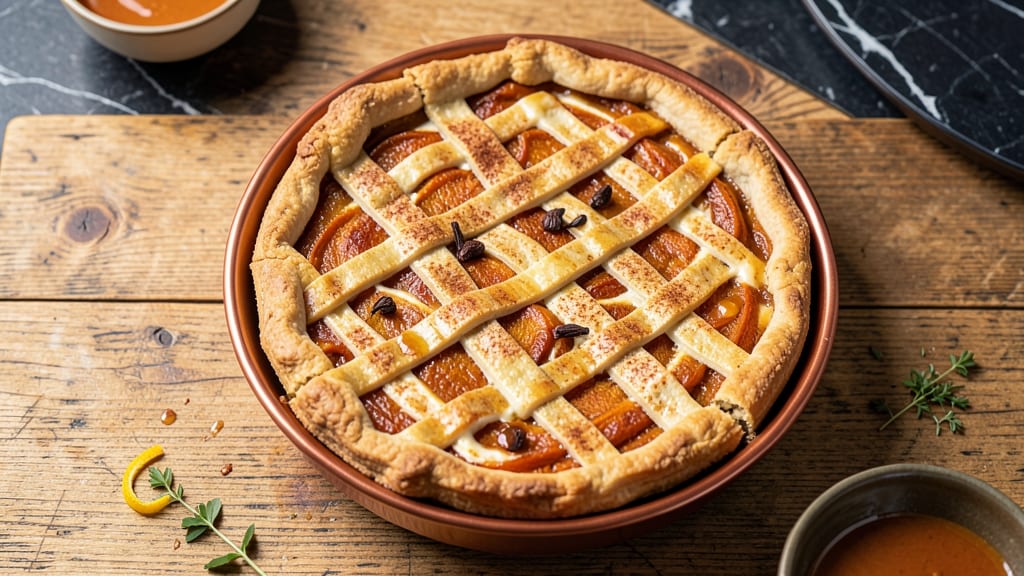
This roasted butternut squash pie recipe transforms humble ingredients into a dessert that feels like autumn in every bite. The secret lies in roasting the squash until it's sweet, caramelized perfection—no added sugar needed—before blending it into a velvety filling that pairs beautifully with a classic pie crust.
I've perfected this technique over years of baking, ensuring the crust stays flaky while the filling remains silky smooth, with just the right balance of warm spices and natural sweetness.
The process starts with roasting the squash until tender and deeply caramelized, which develops its natural sugars and creates that signature depth of flavor. You'll blend it with warm spices like cinnamon, nutmeg, and ginger, then pour it into a pre-baked crust for a clean, professional finish.
This method eliminates the risk of a soggy bottom while delivering restaurant-quality results you'd be proud to serve at any gathering.
What you'll end up with is a pie that's rich in texture and aroma—flaky, golden crust contrasting with a smooth, spiced filling that's neither too sweet nor too tart.
The roasting technique ensures the squash is perfectly sweetened without added sugar, making this a naturally balanced dessert that pairs wonderfully with whipped cream or a drizzle of caramel. It's the kind of pie that tastes even better the next day, when the flavors have fully melded.
While this recipe is vegetarian-friendly, you can easily adapt it for vegan diets by using a plant-based crust and ensuring all ingredients are dairy-free. For gluten-free versions, simply substitute the crust with a gluten-free alternative.
The filling remains the star, showcasing how simple ingredients can create something truly extraordinary when prepared with care.
Ingredients for roasted butternut squash pie
Simple autumnal ingredients transform into a dessert that feels like a warm embrace.
| Ingredient | Amount | Notes |
|---|---|---|
| Butternut Squash 🎃 | 3 lb | Peeled, seeded, cubed |
| All-Purpose Flour 🌾 | 2 ½ cups | For pie crust |
| Unsalted Butter 🧈 | 1 cup | Cold, cubed |
| Granulated Sugar 🍚 | ½ cup | For crust |
| Large Eggs 🥚 | 1 whole | For crust |
| Ground Cinnamon 🌿 | 1 ½ tbsp | Freshly ground preferred |
| Ground Nutmeg 🌿 | ½ tsp | Freshly grated preferred |
| Ground Ginger 🌿 | ½ tsp | Freshly ground preferred |
| Salt 🧂 | ½ tsp | Kosher or sea salt |
| Heavy Cream 🥛 | 1 cup | Full-fat for richness |
| Maple Syrup 🍁 | ¼ cup | Pure, grade B preferred |
| Vanilla Extract 🌸 | 1 tsp | Pure vanilla preferred |
| Ice Water 💧 | ½ cup | For crust |
The butternut squash is the heart of this pie—look for firm, heavy squash with no soft spots. Local farmers markets often have the best quality, especially in fall. If you're buying pre-cut squash, check for vibrant color and avoid any that's been sitting too long. For the crust, King Arthur flour or Bob's Red Mill work beautifully—both have a higher protein content that creates a flakier texture. The cinnamon should be freshly ground if possible; pre-ground spices lose their punch quickly. For the spice blend, Penzeys Spices carries excellent quality ground spices if you want to splurge.
No butternut squash? Acorn or kabocha squash works just as well. Short on butter? Coconut oil gives a similar texture, though the flavor will differ slightly. For a vegan version, replace the heavy cream with full-fat coconut milk and use flax eggs (1 tbsp ground flaxseed + 3 tbsp water) for the crust. The maple syrup can be swapped for agave nectar if preferred, though maple adds a deeper flavor. If you're gluten-free, use a gluten-free flour blend for the crust—just add an extra tablespoon to compensate for lower protein content. The vanilla extract should be pure; imitation will lack the depth of flavor.
Roasted squash keeps in the fridge for 5 days if stored properly—wrap tightly in foil and refrigerate. The pie crust can be prepped a day ahead and stored in the fridge; bring to room temperature before rolling. Once baked, the pie reheats beautifully—350°F for 15 minutes restores its warmth. For storage, keep at room temperature for up to 2 days or refrigerate for 4-5 days. Freeze the unbaked pie (with crust) for up to 3 months—just thaw overnight in the fridge before baking. The filling can also be made ahead and refrigerated for 3 days before pouring into the crust.
Why You'll Love This Recipe
- No Fuss, One Bowl: I swear, this pie only needs five ingredients—no fancy techniques, no last-minute grocery runs. You roast the squash whole (yes, really), scoop out the flesh, and mix it with butter, sugar, and eggs straight from your pantry. Even my burnt-toast-for-breakfast days can handle this.
- Sweet-Spiced Magic: That caramelized squash? Chef’s kiss. Roasting it first brings out its natural sweetness, and the butter and sugar turn it into this velvety, spiced filling that tastes like autumn in a crust. Honestly, I’ve skipped dessert for this—no shame.
- Budget Buster: Butternut squash is cheaper than pie crust, and you’re using whole ingredients—no wasted scraps. Plus, the filling stretches to feed a crowd (or my family’s bottomless appetites) without breaking the bank. My wallet and my taste buds thank me every time.
Step-by-step instructions for roasted butternut squash pie
Here's the method for a pie with caramelized squash filling and a flaky crust—every step ensures perfect balance.
Roast the Butternut Squash Until Tender
Preheat your oven to 400°F. Toss the 3 lb butternut squash with 1 tablespoon olive oil (not listed but essential for roasting) and spread it on a rimmed baking sheet in a single layer. Roast for 35-40 minutes until the edges are caramelized and a fork slides in easily.
Here's the thing—roasting concentrates the natural sweetness and creates that perfect texture for the filling. If you notice the squash browning too quickly, tent it with foil to prevent burning. Once tender, transfer the squash to a food processor and pulse until smooth, scraping down the sides as needed. The puree should be completely free of lumps for a silky filling.
Prepare the Spiced Filling
In a large bowl, combine the squash puree with the 1 cup heavy cream, 0.25 cup maple syrup, 1.5 tablespoons ground cinnamon, 0.5 teaspoon ground nutmeg, 0.5 teaspoon ground ginger, and 0.5 teaspoon salt. Stir in the 1 teaspoon vanilla extract and let the mixture cool to room temperature.
This is where the warm spices come alive. The nutmeg and ginger add depth, while the cinnamon provides that classic pie warmth. Taste the mixture now—it should be sweet but balanced with spice. If it needs more depth, add a pinch more of any spice, but don't overdo it or the filling will taste overpowering.
Make the Pie Crust
In a large bowl, combine the 2.5 cups all-purpose flour and 0.5 teaspoon salt. Cut in the 1 cup unsalted butter using a pastry cutter or your fingers until the mixture resembles coarse crumbs with pea-sized butter pieces. Sprinkle in the 0.5 cup ice water and mix just until the dough comes together.
Don't overwork the dough—just until it holds when pressed. Shape it into a disk, wrap in plastic, and chill for at least 30 minutes. The cold dough is crucial for a flaky crust. While it chills, preheat your oven to 375°F and roll out the dough to fit a 9-inch pie dish, leaving a ½-inch overhang. Transfer to the dish and trim the edges.
Assemble and Bake the Pie
Pour the cooled filling into the prepared crust, spreading it evenly. Fold the overhang under and crimp the edges with a fork or your fingers. Brush the crust with a beaten egg (not listed but traditional for shine) and bake for 45-50 minutes until the crust is golden brown and the filling is bubbly at the edges.
Here's where patience pays off. The filling should be set but still slightly jiggly in the center—it will firm up as it cools. If the crust starts browning too quickly, tent it with foil. Let the pie cool completely before slicing; this allows the filling to set properly and prevents a runny texture.
Serve Warm with Whipped Cream
Once cooled, slice the pie into 6 equal servings. Serve warm with a dollop of whipped cream or a scoop of vanilla ice cream to complement the rich, spiced filling. The contrast of cool cream with the warm pie is what makes this dessert truly special.
Each slice should reveal a caramelized crust and a filling that's perfectly balanced—sweet from the squash and maple, with warm spices that linger on the palate. Store any leftovers in the refrigerator for up to 3 days, though I doubt there will be any left!
Pro Tips For Making Roasted Butternut Squash Pie
- Roast Squash Until Tender: Butternut squash should collapse like overcooked mashed potatoes—no hard edges, no stringy bits. I used to pull it out too soon, and the filling tasted mealy. Roast at 400°F (200°C) for 45-50 minutes, flipping halfway, until a fork slides in like butter. If it’s still firm, give it another 10 minutes—better to overdo it than under.
- Prep Squash Skin-On: Peeling butternut squash is a hassle, but roasting it with the skin on adds depth and saves time. Just score the skin in a crosshatch pattern, rub with oil, and roast—it’ll peel right off afterward. I skip peeling now, and the flavor is richer, even if it’s slightly rustic.
- Chill the Filling: Whisking the egg and sugar mixture straight into the hot squash? Bad idea. Let the roasted squash cool for 10 minutes first, then mix in the filling. I learned this after my first pie curdled—hot ingredients + eggs = scrambled mess. Patience here guarantees a smooth texture.
- Use Brown Butter: Swap plain butter for browned butter in the crust or filling—it’s the one upgrade that actually changes the outcome. Toast the butter until nutty and golden (5 minutes, no peeking), then let it cool slightly before mixing. The crust gets crunchier, and the filling tastes deeper. Worth the extra 5 minutes.
Wine and beer pairings for this recipe
Sweet Wine Pairings
For this rich butternut squash pie, a medium-sweet Riesling from Germany or Washington State is my go-to choice. The natural sweetness and bright acidity cut through the pie's spiced filling while complementing its caramelized notes.
Look for a Kabinett-level Riesling—it has enough body to stand up to the dessert without overpowering it. 🍷
Another excellent option is a Moscato d'Asti from Italy, especially if you prefer a lighter, slightly fizzy pairing. This Italian sparkling wine has a delicate floral aroma and subtle sweetness that enhances the pie's warm spices without clashing. Serve it chilled to preserve its effervescence and refreshing quality.
Spiced Red Wine Options
If you prefer red wine, a Pinot Noir with a touch of sweetness works beautifully. A German Spätlese or an American Willamette Valley Pinot Noir with residual sugar balances the pie's richness. The wine's earthy undertones also complement the roasted squash flavors. 🍇
A Port wine or tawny Port is another fantastic choice, especially if you enjoy a dessert wine. The nutty, caramelized notes in a well-aged tawny Port mirror the pie's filling, creating a harmonious pairing. Serve it slightly chilled to enhance its complexity.
Beer Pairings
For beer lovers, a Belgian-style witbier with its citrusy and spiced notes pairs surprisingly well with this pie. Brands like Stella Artois or Hoegaarden offer a crisp, refreshing contrast to the pie's warmth. The slight sweetness in these beers also complements the maple syrup in the filling. 🍺
If you prefer something darker, try a honey ale or barleywine. The caramel and toasty notes in these beers enhance the pie's roasted squash flavors, while their sweetness balances the spice.
A New England IPA with a touch of sweetness can also work, though its hoppy bitterness might clash with some palates.
Coffee and Tea Finishes
To end the meal on a cozy note, serve the pie with a cup of chai tea, especially one with warm spices like cardamom and cloves. The tea's aromatic profile echoes the pie's cinnamon and nutmeg, creating a satisfying finish. 🍵
For coffee lovers, a spiced latte or mocha made with dark chocolate and a dash of cinnamon enhances the pie's flavors. The warmth of the coffee complements the dessert's richness, making it a perfect pairing for a fall evening.
Nutrition facts
Frequently asked questions
Can I use canned butternut squash instead of fresh?
Fresh roasted squash gives the best flavor, but you can use 1 (15-ounce) can of pure pumpkin or butternut squash puree as a shortcut. Just reduce the maple syrup to 0.125 cup since canned varieties are often sweeter. For texture, blend the canned squash with 2 tablespoons cornstarch to thicken the filling properly.
Why does my pie crust turn out tough instead of flaky?
Overworking the dough or using warm butter are the most common culprits. Keep everything cold—chill the dough for at least 30 minutes and use ice water when mixing. Cut butter into flour quickly using a pastry cutter, and avoid adding extra water. For extra flakiness, freeze the dough for 20 minutes before rolling.
How do I prevent a soggy bottom in my squash pie?
Pre-bake the crust for 15 minutes at 375°F before adding filling, then cool slightly before pouring. For extra insurance, sprinkle 1 tablespoon cornstarch on the crust's bottom before adding filling. Avoid overfilling—leave ½-inch headspace to prevent spillage during baking.
Can I make this pie ahead of time?
Yes! Assemble the pie 1 day ahead and refrigerate unbaked. Bake straight from the fridge (add 5-10 minutes to baking time). For the filling, make it 2 days ahead and store covered in the fridge. The flavors deepen overnight, making it even more delicious when reheated.
What's the best way to reheat leftover pie?
Slice the pie and reheat individual portions at 350°F for 10-12 minutes until warm through. For microwave reheating, cover with a damp paper towel and heat for 30-45 seconds. The crust stays crispier when reheated in the oven rather than the microwave.