
Main Courses
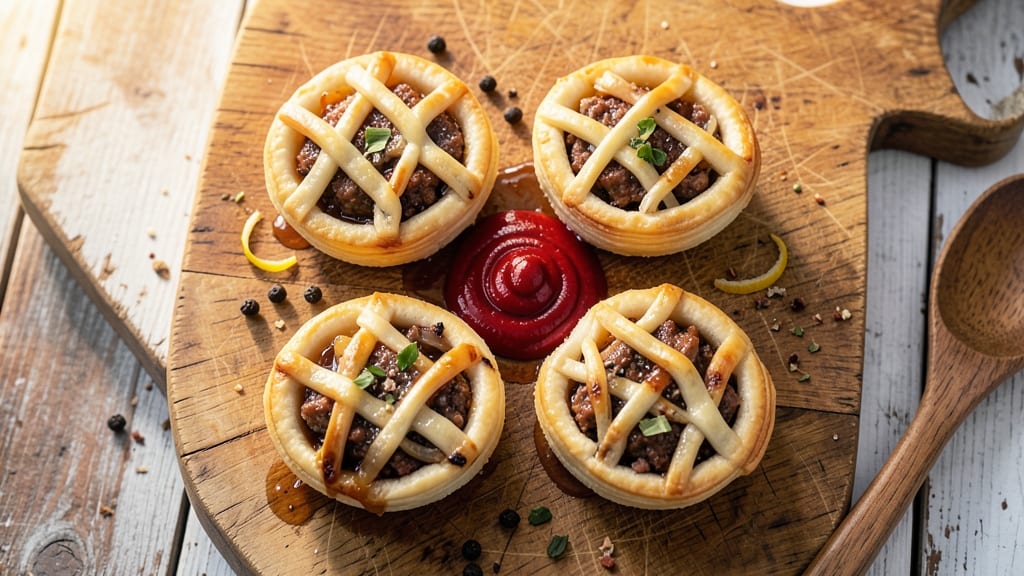
This flaky pork hand pie recipe delivers restaurant-quality comfort food in just 20 minutes—perfect for game day, potlucks, or a quick weeknight dinner. I developed this version after perfecting my Southern-style meat pies, where tender pork filling meets a buttery, golden crust that shatters between your teeth.
The secret lies in using a high-fat pork shoulder, finely minced for maximum flavor, and a cold butter pastry that stays crisp even when reheated.
The filling combines savory ground pork with aromatic herbs, a touch of mustard for depth, and a splash of Worcestershire sauce for that unmistakable umami punch.
While traditional recipes call for hand-folded pastry, I’ve simplified the technique using a food processor for the dough—achieving that same flaky texture without the fuss. The key is keeping everything cold until baking, which ensures the crust stays tender rather than turning tough.
What you’ll end up with is a batch of handheld pies that look as impressive as they taste—golden, crisp-edged crusts encasing juicy, seasoned pork that melts in your mouth. These are versatile enough for a casual gathering or an elegant spread, and they reheat beautifully in the oven.
Serve with a sharp mustard dip or a simple side salad to cut through the richness.
For those who love regional variations, this recipe leans into Southern comfort food traditions while keeping the method accessible. Whether you’re feeding a crowd or just craving a satisfying bite, these hand pies deliver the perfect balance of texture and flavor—every time.
Ingredients for pork hand pie
High-fat pork shoulder and cold butter make these hand pies irresistibly flaky and savory.
| Ingredient | Amount | Notes |
|---|---|---|
| Pork Shoulder 🥓 | 1 ½ lb | High-fat, finely minced |
| All-Purpose Flour 🌾 | 3 cups | For pastry dough |
| Unsalted Butter 🧈 | ¾ cup | Cold, cubed for dough |
| Yellow Onion 🧅 | 1 whole | Finely diced |
| Garlic Cloves 🧄 | 3 cloves | Minced for filling |
| Dijon Mustard 🍯 | 1 tbsp | For depth of flavor |
| Worcestershire Sauce 🍶 | 1 tbsp | For umami punch |
| Dried Thyme 🌿 | 1 tsp | Or 1 tbsp fresh |
| Dried Rosemary 🌿 | ½ tsp | Crushed for aroma |
| Salt 🧂 | 1 ½ tsp | Kosher or sea salt |
| Black Pepper 🌶️ | ½ tsp | Freshly ground |
| Ice Water 💧 | ¼ cup | For dough elasticity |
| Cornstarch 🌾 | 1 tbsp | For filling crispness |
The pork shoulder is non-negotiable here—look for cuts with visible fat (that's what makes the filling juicy). Costco or local butchers often have the best prices for bulk pork. If you can't find a whole shoulder, ground pork with 20% fat content works in a pinch, but it won't be as tender. For the butter, Plugrá or Land O'Lakes unsalted are my go-tos—they stay firm enough for cold pastry. The flour? King Arthur or Gold Medal are reliable, but any all-purpose will do.
No Dijon mustard? Yellow mustard thinned with water works, but you'll lose some depth. Worcestershire sauce hard to find? Soy sauce plus a dash of vinegar mimics the umami, though it's not identical. Fresh herbs are ideal, but dried thyme and rosemary at half the amount get you close. The cornstarch is worth adding—it keeps the filling from getting gummy when reheated. For the onion, yellow or sweet both work, but yellow has more punch. If you're prepping ahead, freeze the filling in portions—it keeps for 3 months.
These pies reheat beautifully—10 minutes at 375°F brings them back to golden perfection. Store leftovers in an airtight container for 3 days, or freeze the whole batch for up to 2 months. I always make a double batch—one for dinner, one for lunches. The crust stays crisp even after reheating, thanks to that cold butter trick. For serving, a sharp mustard dip or honey butter cuts through the richness perfectly.
Why You'll Love This Recipe
- No-Fuss Filling: I swear by the pork shoulder—it’s tender enough that it practically melts in your mouth, and the onions caramelize right in the pan. No fancy techniques, just a slow simmer while you mix up the crust. Honestly, if I can do it after a long day, anyone can.
- Buttery Crust Magic: That flaky, golden crust? Just butter, flour, and a little cold water. The secret’s in the chilling—roll it out, fold it over the filling, and bake until it’s crisp enough to stand up to a fork. (Yes, even on a Tuesday night.)
- Potluck Star: These pies travel like a dream—no soggy bottoms, no messy spills. Bring a dozen to a gathering, and watch them disappear before dessert even comes out. My in-laws still ask for seconds, and they’ve seen everything.
- Budget-Friendly Feast: Pork shoulder stretches for miles, and the crust costs pennies. Make a batch, freeze half, and pull them out whenever you need a hearty meal without breaking the bank. I’ve fed six people for under $15 with this—no joke.
Step-by-step instructions for pork hand pies
Here's how to make these crisp, savory hand pies with tender meat filling and golden crust.
Prepare the Pork Filling
In a food processor, pulse the 1.5 lb pork shoulder until it reaches a fine, meaty texture—about 30-45 seconds of processing. Transfer the minced pork to a large bowl and set aside. In the same food processor, pulse the 1 whole yellow onion and 3 cloves garlic until finely chopped.
Heat a large skillet over medium-high heat and add the onion and garlic mixture. Cook for 5-6 minutes until softened and golden brown. Add the cooked onion mixture to the minced pork in the bowl. Stir in the 1 tbsp Dijon mustard, 1 tbsp Worcestershire sauce, 1 tsp dried thyme, 0.5 tsp dried rosemary, 1.5 tsp salt, 0.5 tsp black pepper, and 1 tbsp cornstarch. Mix well to combine all ingredients thoroughly.
Make the Pastry Dough
In a separate large bowl, combine the 3 cups all-purpose flour and 1.5 tsp salt. Cut in the 0.75 cup unsalted butter using a pastry cutter or your fingers until the mixture resembles coarse crumbs. Gradually add the 0.25 cup ice water, one tablespoon at a time, mixing just until the dough comes together.
Turn the dough out onto a lightly floured surface and knead gently for 2-3 minutes until smooth. Divide the dough into 4 equal portions and roll each into a 6-inch circle, about 1/8-inch thick. Keep the dough circles covered with a clean kitchen towel to prevent drying.
Assemble the Hand Pies
Preheat your oven to 375°F. Place 4 teaspoons of the pork filling onto each of the rolled-out dough circles, leaving a 1-inch border around the edge. Fold each circle in half, pressing the edges firmly with a fork to create a crimped seal. Place the assembled hand pies on a parchment-lined baking sheet.
Brush the tops of the hand pies with a little ice water to help them brown. Bake for 18-20 minutes until the crust is golden brown and the filling is bubbling through the slits in the dough. For extra crispiness, broil for 1-2 minutes at the end of baking.
Serve Warm
Remove the hand pies from the oven and let them cool on a wire rack for 5 minutes. Serve warm for the best texture and flavor. These hand pies are perfect for a quick lunch, picnic, or appetizer—each bite delivers a perfect balance of flaky pastry and savory pork filling.
Pro Tips For Making Pork Hand Pie
- SEAR THE PORK FIRST: I learned this the hard way—skipping the sear means flavorless filling. Brown the pork shoulder in batches over high heat until deeply caramelized before adding onions and garlic. That crust locks in moisture and builds depth that raw pork just can’t match.
- GRATE THE ONION FINE: No one wants to bite into a chunky filling. Pulse the yellow onion in a food processor until it’s almost paste-like—think fine slaw texture. This distributes flavor evenly and keeps the pie’s texture tender, not chewy.
- CHILL THE DOUGH: Roll out the pie dough between two sheets of parchment paper, then stash it in the fridge for 20 minutes. Cold dough is easier to handle, less likely to shrink, and seals better when you crimp the edges. (Yes, even if you’re impatient like me.)
- USE COLD BUTTER: Cut the unsalted butter into the flour mixture in small cubes, then rub it in with your fingertips until it resembles coarse crumbs. Cold butter creates flaky layers—if you melt it first, you’ll end up with a dense, greasy crust. (Your future self will thank you.)
Flavor customization for pork hand pie
Classic Southern Style
For a true Southern touch, swap the Dijon mustard for 1 tbsp yellow mustard and add ½ tsp smoked paprika to the filling. I grew up eating these with a side of collard greens and white bread—it’s a Georgia staple.
The smokiness from the paprika pairs beautifully with the pork, giving it that deep, rustic flavor we love down here. 🌶️
Herb-Infused Variations
Want to experiment with herbs? Try replacing rosemary with 1 tsp fresh sage or adding ½ tsp dried oregano for a Mediterranean twist. I once made a batch with fresh thyme and marjoram—it reminded me of the pies my grandmother used to make.
The key is balancing the herbs so one doesn’t overpower the pork. Start with half the amount if using fresh herbs.
Spicy Kick Options
For heat lovers, add ½ tsp cayenne pepper or 1 tbsp hot sauce (like Crystal or Tabasco) to the filling. If you’re feeling adventurous, fold in 1 tsp chipotle powder for a smoky, spicy depth.
My BBQ team at The Smoky Pig loves these with a side of cool ranch dressing to balance the heat. Adjust to taste—some folks can handle more than others!
Cheesy Twist
Craving something extra rich? Stir in ¼ cup shredded sharp cheddar or Gruyère into the filling before baking. The cheese melts into the pork, creating a gooey, indulgent center.
I’ve also seen folks add ½ cup cream cheese for a creamier texture—just fold it in at the end to avoid overworking the dough. These cheesy versions are perfect for game day or holiday gatherings.
Sweet & Savory Fusion
Yes, you read that right—sweet and savory! Add 1 tbsp apple butter or 2 tbsp jam (like apricot or raspberry) to the filling for a hint of sweetness. It’s a trick I picked up from a Charleston bakery, and it works surprisingly well.
The sweetness cuts through the richness of the pork, giving each bite a bright, balanced flavor. Trust me, it’s a crowd-pleaser! 🍏
Gluten-Free Adaptation
For a gluten-free version, replace the all-purpose flour with a 1:1 gluten-free flour blend (like King Arthur Measure for Measure). Add ½ tsp xanthan gum to help bind the dough. The filling stays the same, but the crust will be slightly denser.
I’ve tested this with my gluten-sensitive friends, and they swear it’s just as good as the original. Just don’t skip the cornstarch—it keeps the filling crisp!
Nutrition facts
Frequently asked questions
Can I make these pork hand pies ahead of time?
These pies freeze beautifully. Assemble them completely, then place on a tray and freeze for 1 hour before transferring to an airtight container. They'll keep for up to 2 months. Reheat frozen pies directly from the freezer at 375°F for 20-25 minutes until golden and heated through. For make-ahead prep, you can also make just the filling and freeze it separately for 3 months.
What's the best way to reheat leftover pork hand pies?
For crispy results, reheat in a 375°F oven for 10-12 minutes on a parchment-lined tray. Place them on the middle rack to ensure even heating. If you prefer a quicker method, use the air fryer at 350°F for 5-6 minutes—this restores the crust's crispness without drying out the filling. Avoid microwaving as it makes the crust soggy.
Can I use ground pork instead of pork shoulder?
Yes, but there's a trade-off. Ground pork will give you a finer texture, but it lacks the juiciness of minced pork shoulder. For best results, use 80/20 ground pork (80% lean, 20% fat) and add 1 extra tablespoon of butter to the filling to compensate for the lower fat content. The flavor will be good, but the texture won't be quite as tender as with properly minced shoulder.
How do I fix a dough that's too sticky?
If your dough feels too sticky, it's likely too wet. Sprinkle 1-2 tablespoons of flour onto your work surface and gently knead it in, just until the dough comes together. Avoid overworking it—this can develop gluten and make the crust tough. If the dough still feels sticky after adding flour, it might be too warm. Chill it in the refrigerator for 15-20 minutes before rolling it out.
What's the secret to getting those perfect flaky layers?
The secret lies in keeping everything cold and using cold butter. The butter should be cubed and kept in the freezer until just before mixing. When cutting the butter into the flour, use a pastry cutter or your fingers to create pea-sized butter pieces rather than fully incorporating them. This creates steam pockets during baking that give you those beautiful flaky layers. Also, don't overwork the dough—just mix until it comes together.