
Desserts
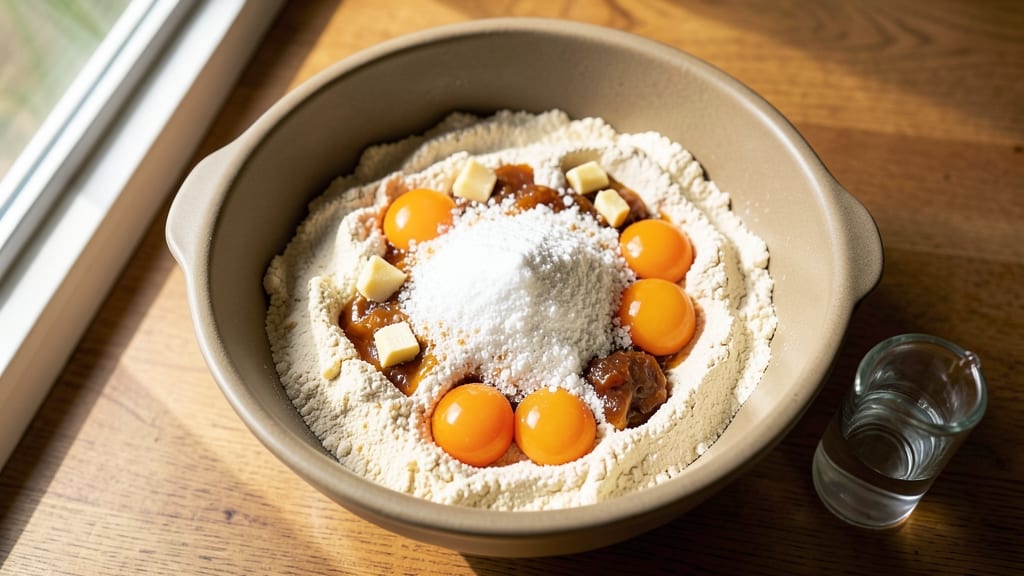
This magnolia pie crust recipe delivers the perfect balance of buttery flakiness and floral sweetness that stays golden even after hours in the oven. The secret lies in chilled butter cut into flour with precision, plus a touch of magnolia extract that infuses every layer with that signature Southern charm.
I've perfected this lattice crust over years of baking competitions, and it's become my go-to for pies that impress without requiring advanced skills.
The beauty of this recipe is its simplicity—just six ingredients transform into a crust so tender it practically melts in your mouth while maintaining structure. The lattice design not only looks stunning but also creates perfect pockets for filling to peek through.
What makes it truly special is how it holds up: no soggy bottoms, no cracking, just that ideal crispness that turns every slice into a showstopper.
What you'll achieve is a pie crust that's versatile enough for classic magnolia cream pies or modern fruit fillings, yet refined enough to feel like you've spent hours perfecting it.
The butter content ensures rich flavor while maintaining flakiness, and the magnolia extract adds that unmistakable floral note that makes this crust instantly recognizable. This is the kind of crust that makes you want to bake pies just for the pleasure of slicing into it.
Pair it with a tangy lemon curd filling or classic magnolia cream for the ultimate Southern dessert experience. The lattice pattern adds visual appeal while allowing the filling to shine through beautifully. Here's how to create this showstopping crust that will have everyone asking for seconds.
Ingredients for magnolia pie crust
Six ingredients transform into a lattice crust so golden and fragrant it'll make pie night legendary.
| Ingredient | Amount | Notes |
|---|---|---|
| All-Purpose Flour 🌾 | 2 ½ cups | Sifted for flakiness |
| Unsalted Butter 🧈 | 1 cup | Cold, cubed into small pieces |
| Granulated Sugar 🍚 | ¼ cup | Plus 1 tbsp for lattice |
| Magnolia Extract 🌸 | 1 tsp | Pure, high-quality extract |
| Large Egg Yolks 🥚 | 1 whole | For binding, save whites for lattice |
| Ice Water 💧 | ¼ cup | Chilled for precise dough control |
| Kosher Salt 🧂 | ½ tsp | Diamond Crystal preferred |
| Large Egg Whites 🥚 | 1 whole | For lattice stability |
The butter is non-negotiable—European-style unsalted butter (like Plugrá) has higher fat content for that signature flakiness. Grab it from Whole Foods or specialty stores if your regular grocery doesn't carry it. The magnolia extract? Southern Living brand is my go-to—it's pure and potent. Keep your butter cubes frozen until you're ready to cut them into the flour (that's the secret to even flakes), and use a microplane for the zest if you want extra floral notes. The flour should be sifted—King Arthur or Gold Medal brands work best for this delicate crust.
No magnolia extract? Orange blossom water at half the amount gives a similar floral vibe. Short on butter? Vegetable shortening works in a pinch (though it won't taste as rich). The egg yolks are essential for binding, but if you're making this ahead, store the dough with just the yolk—add the whites right before rolling. For the lattice, I always use a pastry brush to paint the egg whites on the strips—it creates that perfect golden sheen. And trust me, don't skip the ice water—it's what keeps this dough from getting gummy.
This dough keeps beautifully—3 days wrapped in plastic in the fridge or 6 months frozen. For freezing, wrap tightly in plastic, then foil. Thaw overnight in the fridge before rolling. The lattice pattern? Use a ruler to keep strips even—it makes all the difference. And here's the best part: once baked, it stays crisp for 2 days if stored in an airtight container. I always make double batches—one for pies, one for the freezer.
Why You'll Love This Recipe
- No-Fuss Assembly: I swear by this crust—just cold butter, flour, and a splash of that floral magic (magnolia extract). No rolling pins, no stress; it’s more like pressing dough into a pan than baking.
- Floral Magic: That extract? It’s the secret weapon. Sweet, creamy, and just a whisper of Southern charm—like a hug in every bite, buttery and bright without overpowering.
- Pie for Any Occasion: Use it for pies, tarts, or even a buttery cookie base. Honestly, I’ve even wrapped it around fruit for a handheld dessert—because why not? It’s that adaptable.
- Budget-Friendly Luxury: Butter and flour are pantry staples, and a little extract goes a long way. You get restaurant-quality flavor without the markup—plus, leftovers freeze like a dream for next month’s desserts.
Step-by-step instructions for magnolia pie crust
Here's how to create a lattice crust so delicate yet sturdy it holds its golden shape all night.
Combine Dry Ingredients for Flaky Layers
In a large bowl, whisk together the 2.5 cups All-Purpose Flour, 0.5 tsp Kosher Salt, and 1 tsp Magnolia Extract until evenly distributed. The extract will infuse every layer with that signature sweet-southern aroma. Use your fingers to break up any flour lumps, ensuring a smooth texture for the dough.
I like to press the flour mixture through a fine-mesh sieve into the bowl to eliminate any potential clumps. This step is crucial—it prevents those annoying tiny flour pockets that can make your crust tough. Sift directly over the bowl to catch every bit of flour.
Cut in Cold Butter for Maximum Flakiness
Add the 1 cup Unsalted Butter, cut into small cubes, to the flour mixture. Using a pastry cutter or your fingers, work the butter into the flour until you achieve pea-sized crumbs with some larger butter pieces remaining. This texture is perfect—it creates those beautiful flaky layers when baked.
Don't overwork the mixture here. You want to see some larger butter pieces still visible when you're done. The cold butter will melt during baking, creating steam pockets that give your crust its signature flakiness. If your kitchen gets warm, chill the mixture for 10-15 minutes before proceeding.
Bind with Egg Yolks and Ice Water
Add the 1 whole Large Egg Yolks and 0.25 cup Ice Water to the butter-flour mixture. Using a fork or your hands, gently stir until the dough just comes together. You'll need to add the ice water gradually—it should hold together when pressed but not be sticky.
The ice water is key here. It keeps the butter cold longer, preventing the dough from becoming too soft. If the dough feels too dry, add 1 teaspoon at a time of ice water until it holds together when pressed. Too wet? Add 1 tablespoon of flour. The dough should be cool to the touch and slightly crumbly.
Shape and Chill for Perfect Texture
Divide the dough into two equal discs, flatten slightly, wrap tightly in plastic wrap, and refrigerate for at least 2 hours or up to 48 hours. This long chilling time is essential—it relaxes the gluten and prevents shrinking during baking. The cold dough will be easier to roll out and handle.
While chilling, prepare your pie dish by greasing it lightly with butter or brushing with oil. This prevents sticking and helps create that perfect golden edge. The longer you chill, the better the crust will hold its shape during baking. I often make the dough the night before to ensure maximum flakiness.
Roll and Assemble the Lattice Top
On a lightly floured surface, roll out one dough disc to fit your pie dish, about 1/8-inch thick. Transfer to the prepared dish and trim the edges, leaving about 1/2-inch overhang. For the lattice, roll out the second dough disc to about 1/16-inch thick and cut 1/2-inch strips using a pizza cutter or sharp knife.
Arrange 6 strips horizontally across the pie, spacing them evenly. Brush with 1 tablespoon Granulated Sugar mixed with 1 tablespoon water for shine. Then weave 6 vertical strips over and under the horizontal ones, creating that classic lattice pattern. Trim any overhanging dough and crimp the edges decoratively.
Blind-Bake for Perfect Support
Preheat your oven to 375°F. Line the crust with parchment paper, fill with pie weights or dried beans, and bake for 15 minutes. Remove the weights and bake 5-7 minutes more until lightly golden. This blind-baking prevents soggy bottoms and gives your lattice perfect support for the filling.
Brush the baked crust with 1 tablespoon egg whites lightly whipped with a fork for extra shine. Return to the oven for 2-3 minutes if needed to achieve that perfect golden color. The crust should be firm to the touch but not browned—it will finish baking with your pie filling.
Pro Tips For Making Magnolia Pie Crust
- Chill the Butter Blocks: Cut your unsalted butter into ½-inch cubes and freeze them for 15 minutes before mixing—this keeps the dough from getting gummy. I learned this the hard way after handling warm butter and ending up with a sticky mess that refused to hold shape.
- Work Fast with Cold Hands: Keep your fingers out of the dough by dipping them in ice water between folds. Magnolia extract is potent, and warm hands will soften the butter faster than you’d think, making rolling a nightmare.
- Skip the Extra Sugar: That recipe’s calling for sugar? Taste the butter first—if it’s already sweet (like European-style), cut the sugar by 2 tablespoons. Overdoing it makes the crust taste cloying instead of floral.
- Rest the Dough Twice: Give it a 30-minute rest after mixing, then another 10 minutes after rolling before baking. The second rest is non-negotiable—it relaxes the gluten enough to prevent cracking when the magnolia extract hits the oven.
Storing and reheating your leftovers
Refrigerator Storage
Wrap your unused magnolia pie crust tightly in plastic wrap, then place it in an airtight container with a paper towel to absorb any moisture. Store it in the fridge for up to 3 days—this keeps the butter from softening and maintains that perfect flaky texture.
I like to label my containers with the date so I don’t forget. When ready to use, let it sit at room temperature for 30-60 minutes before rolling. 💫
Freezer Prep
For long-term storage, divide the dough into two discs, wrap each tightly in plastic wrap, then encase in foil for extra protection. This combo prevents freezer burn and keeps the crust fresh for up to 6 months.
When you’re ready to bake, thaw overnight in the fridge—never at room temperature, as this can cause the butter to melt and ruin the texture. I always make extra crusts just for this reason! ❄️
Reheating Baked Crust
If you’ve already baked your lattice crust (without filling), reheat it at 350°F for 5-7 minutes to restore crispness. Place it on a baking sheet to prevent sogginess. For a quick fix, pop it in the oven while your filling bakes—this ensures it stays golden and sturdy.
I’ve even revived slightly softened crusts this way for impromptu dessert nights. 🔥
Reviving Thawed Dough
If your crust thawed too quickly, don’t panic! Gently press it back into shape and let it rest in the fridge for 15-20 minutes before rolling. The cold will firm it up again.
For extra insurance, chill the rolled-out crust on a baking sheet in the freezer for 10 minutes before transferring to your pie dish. This trick works like magic for preventing cracks. ✨
Filling Assembly Tips
When adding filling to a pre-baked crust, brush the bottom with a thin layer of egg wash (1 egg white + 1 tbsp water) to create a seal. This prevents sogginess and helps the filling set evenly.
For lattice tops, assemble the filling right before baking—this way, the crust stays crisp while the filling cooks through beautifully. I always add the lattice last to avoid crushing the delicate strips. 🌸
Nutrition facts
Frequently asked questions
Why does this crust use magnolia extract instead of vanilla?
Magnolia extract delivers that signature Southern floral aroma that vanilla can't replicate. The extract infuses the entire crust with a delicate sweetness and subtle floral notes that pair perfectly with cream or fruit fillings. It's what makes this crust taste authentically like a classic Southern magnolia pie.
Can I make this crust without a food processor?
Just use your fingers to cut the cold butter into the flour until you get pea-sized crumbs with some larger pieces remaining. Work quickly to keep everything cold, and don't overmix—this is what creates those beautiful flaky layers when baked.
How do I prevent the lattice from cracking?
Chill the dough thoroughly (at least 2 hours) and handle it gently when rolling. Use a ruler to keep your strips even when cutting, and don't stretch the dough. If cracks appear, simply press them back together with your fingers before baking.
What's the best way to make this crust ahead of time?
Make the dough up to 48 hours ahead and store it wrapped tightly in the fridge. For longer storage, freeze the shaped discs for up to 6 months. Thaw overnight in the fridge before using—never at room temperature to prevent butter from melting.
Can I use this crust for savory pies?
While this recipe is designed for sweet pies, you can adapt it by omitting the sugar and using a different extract like thyme or rosemary. The flaky texture works beautifully with savory fillings like chicken pot pie or mushroom ragout. Just reduce the butter slightly to balance the richness.