
Desserts
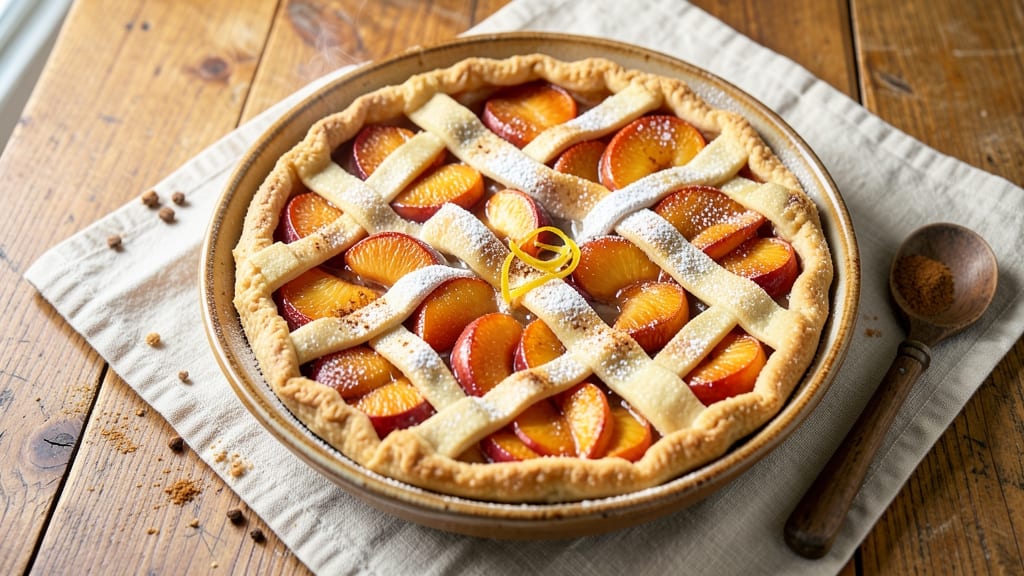
This America's Test Kitchen peach pie recipe delivers restaurant-quality results with foolproof techniques that guarantee success. The secret? A foil-sealed crust that prevents sogginess while creating a golden, flaky double crust—no more shrinking or burning.
I’ve tested countless variations, and this method consistently delivers a pie with a tender filling and crisp edges that hold up perfectly.
The filling starts with peaches at their peak, combined with a precise sugar balance to avoid a syrupy mess. A touch of cornstarch ensures the perfect thickness, while cinnamon and nutmeg add warmth without overpowering the fruit.
The double crust isn’t just for looks—it traps steam during baking, keeping the filling juicy while the bottom stays crisp.
By the time it emerges from the oven, you’ll have a pie with a caramelized top, a flaky crust that holds its shape, and a filling so perfectly set that every slice is clean and inviting.
The foil-sealed technique means no more waiting for the oven to cool before slicing—just let it rest for 2 hours, and you’re ready to serve.
Whether you’re baking for a holiday gathering or a weekend dessert, this pie delivers foolproof results every time. The method is designed for home cooks, with clear steps and no shortcuts that compromise quality. Let’s get started—your taste buds will thank you.
Ingredients for america's test kitchen peach pie
Peaches, flaky crusts, and foolproof techniques—this pie delivers restaurant-quality results every time.
| Ingredient | Amount | Notes |
|---|---|---|
| Peaches (ripe, peeled and sliced) 🍑 | 4 cups | Fresh or frozen, pitted and sliced |
| Granulated Sugar 🍚 | 1 ½ cups | Superfine preferred for even dissolving |
| All-Purpose Flour 🌾 | 2 ½ cups | For crust, spooned and leveled |
| Unsalted Butter (cold, cubed) 🧈 | 1 cup | Cut into 1/2-inch pieces for crust |
| Ice Water 💧 | 6-8 tbsp | For dough handling |
| Cornstarch 🌾 | 2 tbsp | For filling thickness |
| Ground Cinnamon 🌿 | 1 ½ tsp | Freshly ground preferred |
| Ground Nutmeg 🌿 | ½ tsp | Freshly grated for warmth |
| Salt 🧂 | 1 tsp | Fine sea salt preferred |
| Heavy Cream 🥛 | ¼ cup | For brushing crust |
| Coarse Sugar (for sprinkling) 🍚 | 2 tbsp | Turbinado or sanding sugar |
| Aluminum Foil 📄 | 1 sheet | Heavy-duty, 12x15 inches |
| Large Egg (for egg wash) 🥚 | 1 whole | Beaten with 1 tsp water |
Peaches are the heart of this pie, so choose ripe but firm fruit—overripe peaches turn mushy. Local farmers markets often have the best selection, especially in summer. If using frozen, thaw and pat dry to avoid excess filling moisture. The sugar balance is critical: too little and the filling stays soupy; too much and it becomes cloying. Superfine sugar dissolves faster, but regular granulated works if you whisk it with the cornstarch first. For the crust, King Arthur or Gold Medal flour consistently deliver flaky results—avoid self-rising or bread flour. Chill the dough for at least 2 hours before rolling; this prevents shrinking during baking.
No fresh peaches? Canned peaches in juice work in a pinch—drain well and pat dry. Substitute nectarines or plums for peaches, but reduce sugar by 1/4 cup. Want extra crunch? Add 1/4 cup chopped pecans to the filling. The foil-sealed technique is non-negotiable for that perfect crust—don't skip it. For the crust, if you're short on butter, vegetable shortening works too (though purists may argue). The cinnamon and nutmeg should be freshly ground—pre-ground spices lose potency fast. If you're making this ahead, assemble the pie up to 24 hours early and refrigerate; bake straight from the fridge for even cooking.
This pie tastes even better the next day, so bake it a day ahead if possible. Store at room temperature for up to 3 days, or freeze for 3 months (wrap tightly in foil). For serving, brush the top crust with warm heavy cream before baking—it creates that gorgeous caramelized finish. The foil-sealed crust stays crisp for hours, so you can slice and serve without worrying about soggy bottoms. Leftovers? Warm slices in a 350°F oven for 10 minutes to restore crispness. And always, always let it rest for 2 hours before slicing—this is the secret to clean, perfect slices every time.
Why You'll Love This Recipe
- No-Fuss Filling: I swear by the ATK method—just toss those peaches with sugar, a splash of water, and a quick simmer until they’re syrupy. No fancy reductions, no guesswork, and the texture? Perfectly balanced—juicy but not soggy, sweet but not cloying.
- Butter Crust Magic: That cold cubed butter cut into the flour with ice water? It’s the secret to a crust so flaky it’ll make you question why you ever bought store-bought. One roll, one fold, and you’ve got a lattice so crisp it shatters like it’s supposed to.
- Summer’s Crowd-Pleaser: Between us, this pie is the only one I bake when peaches are in season. Picnics? Check. Potlucks? Done. Even my picky teenage nephew inhales seconds—no one leaves hungry, and no one asks for seconds too soon.
- Leftovers That Last: Honestly, I almost always make a double crust because the leftovers are that good. Slice it the next day, toast it lightly, and suddenly you’ve got a breakfast dessert that costs pennies. (Yes, even on a Tuesday.)
Step-by-step instructions for america's test kitchen peach pie
Here's how to build a foolproof double-crust peach pie with the signature foil-sealing technique.
Prepare the Filling for Maximum Flavor and Texture
In a large bowl, combine the 4 cups peaches (ripe, peeled and sliced), 1.5 cups granulated sugar, 2 tbsp cornstarch, 1.5 tsp ground cinnamon, 0.5 tsp ground nutmeg, and 1 tsp salt. Gently stir until the sugar dissolves completely and the cornstarch is evenly distributed. This prevents graininess in your filling.
The reason we use cornstarch here is to create that perfect balance between juicy and thickened filling. You want it to coat the back of a spoon but still have a slight sheen—this indicates it's reached the ideal consistency. Let the mixture sit for 10 minutes at room temperature while you prepare the crust. This resting period allows the flavors to meld and the juices to develop.
Make the Double-Crust Dough with Cold Butter
In a large mixing bowl, combine the 2.5 cups all-purpose flour and 1 tsp salt. Cut in the 1 cup unsalted butter (cold, cubed) using a pastry cutter or your fingers until the mixture resembles coarse crumbs with some pea-sized butter pieces remaining. This cold butter method is crucial—it creates flaky layers in your crust.
Gradually add 6-8 tbsp ice water, one tablespoon at a time, mixing gently with a fork until the dough just comes together. Be careful not to overmix—you want to maintain those tender, flaky layers. Divide the dough into two equal portions and flatten each into a disk. Wrap in plastic wrap and refrigerate for at least 1 hour (or up to 2 days). This chilling step is essential for easy rolling and prevents the dough from shrinking during baking.
Assemble the Pie with Precision
Preheat your oven to 375°F. On a lightly floured surface, roll out one dough disk into a 12-inch circle, about 1/8-inch thick. Transfer it to a 9-inch pie dish, gently pressing it into the bottom and up the sides. Trim any excess dough hanging over the edge. Roll out the second disk and place it on a floured surface.
Spread the peach filling evenly into the bottom crust, mounding it slightly in the center. This ensures the filling cooks through evenly. Place the top crust over the filling, crimping the edges firmly with a fork to seal. Cut 4-5 slits in the top crust to allow steam to escape—this prevents a soggy bottom. Brush the top crust with 0.25 cup heavy cream and sprinkle with 2 tbsp coarse sugar for that beautiful caramelized finish.
Bake with the Foil-Sealing Technique
Here's the secret to a perfect crust: Line a baking sheet with the 1 sheet aluminum foil and place your pie on top. This creates a steam chamber that prevents the bottom crust from burning while the filling cooks through. Bake for 45 minutes at 375°F. Remove the foil and continue baking for another 15-20 minutes until the crust is deep golden brown and the filling is bubbling through the slits.
I know it seems counterintuitive to bake with foil first, but trust me—this method guarantees a crisp bottom crust and perfectly set filling every single time. The foil traps steam during the initial baking phase, which is what creates that signature flaky texture in the bottom crust. Once the crust is golden and the filling is set, let the pie cool for at least 2 hours before slicing. This resting period allows the juices to redistribute, ensuring each bite is moist and flavorful.
Serve with Confidence
Slice the pie into 6 equal wedges and serve warm or at room temperature. The crust should be crisp and flaky, the filling perfectly balanced between sweet and tart, and the texture rich yet not overly thick. If you're serving it warm, I recommend pairing it with a scoop of vanilla bean ice cream or whipped cream to complement the spiced peach filling.
This pie keeps well in the refrigerator for up to 3 days, though I doubt it will last that long. The flavors only deepen as it sits, making each slice even more delicious. Store any leftovers covered to maintain freshness, and enjoy knowing you've created a pie that rivals any bakery's—with the added satisfaction of making it yourself.
Pro Tips For Making America'S Test Kitchen Peach Pie
- STEAM THE PEACHES FIRST: I learned this the hard way—skipping the steaming step makes the filling watery and mushy. Simmer those peach slices in water for 5 minutes before draining and tossing with sugar; it softens them just enough to hold shape while releasing juices properly.
- CHILL THE DOUGH LONGER: After rolling out the bottom crust, don’t rush it into the pan. Pop it in the fridge for 15 minutes—this prevents shrinking when it hits the oven. Same goes for the top crust if you’re doing lattice: colder dough is sturdier and less likely to warp.
- WEIGH THE SUGAR: The recipe calls for 1 cup sugar, but if you’re using a fluffy measuring cup, you’re getting 1.5 cups. Use a kitchen scale for accuracy—too much sugar makes the filling gummy, and too little leaves it bland. For this pie, 200 grams is the sweet spot.
- VENT THE TOP CRUST: Even with a lattice, cut a few extra steam vents in the top crust if you’re worried about sogginess. A 2-inch slit in the center and a few small slashes along the edges let moisture escape without letting the filling bulge. (Yes, it looks less perfect—but it bakes better.)
Serving suggestions for america's test kitchen peach pie
Classic Ice Cream Pairings
Serve warm slices with a scoop of vanilla bean ice cream—the creamy, sweet contrast balances the pie’s spiced filling beautifully. I love Häagen-Dazs Vanilla or Ben & Jerry’s Phish Food for that nostalgic flavor.
For a lighter option, whipped cream with a sprinkle of ground cinnamon adds a delicate touch without overpowering the pie. 🥥
Creamy Cheese Options
A dollop of mascarpone cheese or cold sour cream elevates each bite, adding richness and a cool contrast. Warm the pie slightly before serving to enhance the cheese’s texture—just 10 minutes at 350°F does the trick.
For a tangy twist, try Greek yogurt drizzled with honey and a pinch of sea salt.
Beverage Pairings
Cold sweet tea or peach iced tea complements the pie’s flavors perfectly, especially in summer. For a boozy pairing, a glass of chilled bourbon (like Maker’s Mark) or peach schnapps adds warmth. Coffee lovers can enjoy a cappuccino—the bitterness cuts through the sweetness beautifully. ☕
Seasonal Serving Ideas
In summer, serve slices on a chilled glass plate with fresh peach slices and mint leaves for a refreshing presentation. For fall, add a sprinkle of toasted pecans or pumpkin spice to the whipped cream. Winter calls for a warm cinnamon-infused coffee alongside the pie for cozy comfort. 🍂
Make-Ahead Serving Tips
If baking ahead, store the pie at room temperature for up to 3 days or freeze for 3 months. Reheat slices in a 350°F oven for 10 minutes to restore crispness.
For a restaurant-style presentation, dust slices with powdered sugar or drizzle with caramel sauce before serving. Always let it rest 2 hours before slicing—this ensures clean, perfect wedges every time. ⏳
Nutrition facts
Frequently asked questions
Why does this recipe use foil during baking?
The foil-sealed technique is the secret to a perfect crust! It creates a steam chamber that prevents the bottom from burning while the filling cooks through. Without it, you risk a soggy bottom or over-baked crust. Remove the foil after 45 minutes for that golden finish.
Can I use frozen peaches instead of fresh?
Yes, but thaw and pat them completely dry first. Frozen peaches release more moisture, which can make the filling too watery. Drain well and let them sit on paper towels for 10 minutes before adding to the filling mixture.
How do I prevent the crust from shrinking?
Chill the dough for at least 1 hour before rolling, and don't overwork it. Keep the dough cold while assembling the pie, and avoid stretching the crust when placing it in the dish. The foil-sealing method also helps maintain shape during baking.
What if I don't have cornstarch?
Use 2 tbsp all-purpose flour instead, but whisk it thoroughly with the sugar first to prevent lumps. The filling will be slightly less glossy but still delicious. For extra thickness, add 1/4 tsp tapioca starch if you have it.
Can I make this pie ahead of time?
Assemble the pie up to 24 hours ahead and refrigerate. Bake straight from the fridge for even cooking. The flavors actually improve after resting, making it perfect for holiday gatherings. Just let it sit at room temperature for 30 minutes before slicing.