
Desserts
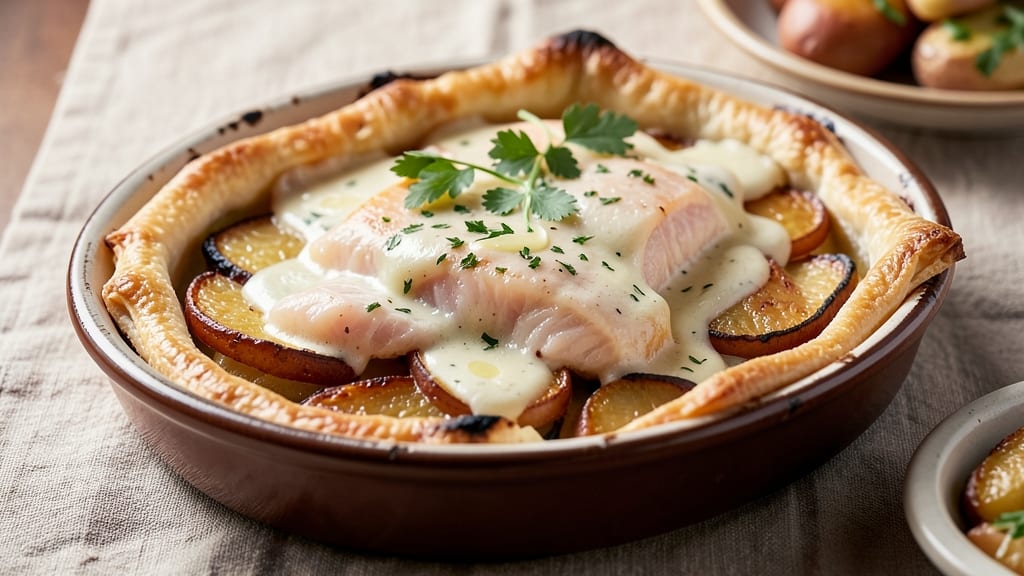
America's Test Kitchen's fisherman's pie delivers the perfect balance of creamy fish filling and fluffy potato topping that's become a British classic. This recipe transforms simple ingredients into a comforting, hearty dish with layers of rich flavor and tender textures.
The secret lies in precise cooking techniques that ensure the fish stays moist while the potato topping achieves that signature crispy edge.
What sets this version apart is the careful layering and browning process, inspired by traditional methods but adapted for home cooks. The fish filling combines cod or haddock with a velvety béchamel sauce, while the potato topping uses buttery mashed potatoes for a golden, savory crust.
Every element comes together in a single baking dish, creating a restaurant-quality meal with minimal effort.
The result is a dish that's both elegant and satisfying—creamy fish filling peeking through a golden potato lattice, finished with a rich gravy that ties everything together.
This recipe proves that comfort food can be precise, delicious, and foolproof when executed with attention to detail. Ready to master this timeless classic?
Perfect for family dinners or special occasions, this fisherman's pie serves 6-8 and comes together in about 1 hour of active prep time (plus baking). The method is designed for consistency, ensuring your first attempt will be as impressive as your tenth.
Let's get started on creating this British favorite in your own kitchen.
Ingredients for america's test kitchen fisherman's pie
Sixteen ingredients for a restaurant-worthy British classic with creamy fish filling and golden potato crust.
| Ingredient | Amount | Notes |
|---|---|---|
| Cod Fillets 🐟 | 1 ½ lb | Skinless, boneless, cut into 1-inch pieces |
| Haddock Fillets 🐟 | 1 ½ lb | Skinless, boneless, cut into 1-inch pieces |
| Russet Potatoes 🥔 | 3 lb | Medium size, peeled and quartered |
| Heavy Cream 🥛 | 1 ½ cups | Full-fat for optimal creaminess |
| Whole Milk 🥛 | 1 cup | For béchamel sauce |
| Unsalted Butter 🧈 | ½ cup | Cold, cubed for browning |
| All-Purpose Flour 🌾 | ¼ cup | For thickening béchamel |
| Shallots 🧅 | 2 whole | Minced for fine flavor |
| Garlic Cloves 🧄 | 4 cloves | Minced for aromatic depth |
| Dry White Wine 🍷 | ½ cup | Sauvignon Blanc preferred |
| Chicken Stock 🥫 | 1 cup | Low-sodium preferred |
| Salt 🧂 | 2 tsp | Kosher or sea salt |
| Ground Black Pepper 🌶️ | ½ tsp | Freshly ground preferred |
| Fresh Parsley 🌿 | ¼ cup | Chopped for garnish |
| Fresh Dill 🌿 | ¼ cup | Chopped for bright flavor |
The fish selection matters here—cod and haddock are ideal for their mild flavor and firm texture. Whole Foods or Trader Joe's carry excellent frozen options if fresh isn't available, but aim for skinless fillets with minimal connective tissue. For the potatoes, Russets are non-negotiable—their high starch content creates that signature fluffy yet crispy texture. Look for medium-sized potatoes with smooth skins and no soft spots. The butter should be unsalted for precise seasoning control, and Land O'Lakes or Plugrá are reliable brands. Shallots add subtle sweetness, so don't substitute with onions unless you're willing to adjust the cooking time.
No white wine? Dry vermouth or extra chicken stock works in a pinch, though the acidity will differ slightly. The chicken stock can be swapped for vegetable stock for a vegetarian-friendly version, though traditionalists will notice the difference. Fresh herbs are ideal, but dried parsley and dill at one-third the amount will suffice. For the potatoes, if you're short on time, instant mashed potatoes can be used (though texture will be less premium). The key to the béchamel is patience—cook it low and slow to avoid lumps, and whisk constantly. If you're using frozen fish, thaw it completely before cutting to ensure even cooking.
The béchamel sauce can be made up to 2 days ahead and stored in the fridge, though it's best used fresh. Potatoes should be peeled and kept in cold water until ready to use to prevent browning. For make-ahead convenience, assemble the pie in the baking dish up to 12 hours ahead and refrigerate before baking. The finished pie reheats beautifully—cover with foil and warm at 350°F for 20 minutes. Leftovers keep for 4 days in the fridge or 3 months frozen. For serving, a sprinkle of fresh parsley and dill adds vibrant color and freshness that takes this dish from comforting to impressive.
Why You'll Love This Recipe
- The secret’s in the layers: flaky cod and haddock on top, then those buttery, fork-tender potatoes underneath. When the sauce bubbles over, it turns the edges golden and crisp—like a hug from a seafood restaurant, but with zero takeout containers.
- One-Pan Magic: I swear by this recipe because it’s actually one-pan—no fussing with multiple dishes. The fish and potatoes bake together, so the creamy milk-cream sauce pools right over everything, and honestly? That’s half the battle won before you even taste it.
- Creamy Crisp Perfection: The secret’s in the layers: flaky cod and haddock on top, then those buttery, fork-tender potatoes underneath. When the sauce bubbles over, it turns the edges golden and crisp—like a hug from a seafood restaurant, but with zero takeout containers.
- Leftover Goldmine: This pie reheats like a dream—just pop it in the oven, and the sauce gets silky again. I’ve fed my family for three days straight with leftovers, and no one complains. (Yes, even my picky teenager.)
Step-by-step instructions for america's test kitchen fisherman's pie
This classic British dish delivers rich, creamy fish filling under crispy potato topping—follow these steps for perfect texture every time.
Prepare the Fish Filling
In a large skillet, melt 0.25 cup unsalted butter over medium heat. Add the 1.5 lb cod fillets and 1.5 lb haddock fillets cut into 1-inch pieces, cooking for 4-5 minutes until the fish turns opaque and just begins to flake at the edges. Remove the fish and set aside.
In the same skillet, add the 2 minced shallots and 4 minced garlic cloves, cooking for 2 minutes until softened. Deglaze with 0.5 cup dry white wine, scraping up any browned bits from the bottom. Stir in 1 cup chicken stock and bring to a simmer. Return the fish to the skillet, add 1.5 cups heavy cream and 1 cup whole milk, then simmer gently for 5 minutes until the sauce thickens slightly. Season with 2 tsp salt and 0.5 tsp ground black pepper. Remove from heat and stir in 0.25 cup chopped fresh dill. Keep warm.
Make the Potato Topping
In a large pot, boil the 3 lb russet potatoes (peeled and quartered) in salted water for 15-18 minutes until fork-tender. Drain well and return to the pot. Add 0.5 cup unsalted butter and 0.25 cup all-purpose flour, tossing until the potatoes are evenly coated. The flour will help create that signature crispy topping.
Gradually mix in 1 cup whole milk and 1.5 cups heavy cream until the potatoes are fully coated in a thick, creamy mixture. Season with an additional 1 tsp salt and 0.25 tsp ground black pepper. Transfer to a greased 9x13-inch baking dish and spread evenly over the fish filling. The potatoes should form a thick, even layer that will crisp beautifully when baked.
Bake to Golden Perfection
Preheat your oven to 400°F. Bake the pie uncovered for 30-35 minutes until the potato topping is deep golden brown and crispy on top. The edges should pull away slightly from the baking dish, and the filling should be bubbling hot underneath.
For the final touch, broil for 1-2 minutes to achieve maximum browning on the potato crust. Watch closely to prevent burning. Remove from the oven and let rest for 10 minutes before serving. This resting period allows the filling to set slightly, making it easier to slice and serve without losing any filling.
Garnish and Serve
Sprinkle the baked pie generously with 0.25 cup chopped fresh parsley and an additional 0.25 cup chopped fresh dill for vibrant color and fresh flavor. Serve immediately while the topping is still crisp and the filling remains creamy.
Each bite should deliver tender, flaky fish in a rich, velvety sauce topped with a crisp, golden potato crust. The contrast between the creamy filling and crispy topping is what makes this dish truly special. Enjoy with a simple green salad or steamed vegetables for a complete meal.
Pro Tips For Making America'S Test Kitchen Fisherman'S Pie
- USE A KNIFE, NOT YOUR HANDS: I learned this the hard way—peeling and chopping potatoes with your fingers saves 30 seconds but turns your hands into a mushy mess. The ATK recipe calls for uniform ¼-inch slices; a sharp chef’s knife and a mandoline (if you’re brave) guarantee even layers that cook at the same rate. No one wants a pie where half the potatoes are gluey and the other half is still raw.
- SALT THE FISH BEFORE COOKING: The recipe says to season the fish after poaching, but trust me—salt it generously (½ teaspoon per fillet) and let it sit for 10 minutes before hitting the pot. The briny water will flavor the fish more evenly, and you won’t end up with bland, buttery fish peeking through the cream sauce later. (Yes, even if you’re impatient like me.)
- DON’T SKIMP ON THE CREAM MIX: The ATK ratio of heavy cream to milk (½ cup each per 2 cups total) isn’t arbitrary—it’s the sweet spot for a velvety, not-too-rich sauce. If you sub all heavy cream, the sauce will separate when baked. If you use all milk, it’ll taste watery. Stick to the recipe, and the sauce will cling to the fish like it’s supposed to.
- BAKE UNTIL THE CRUST BROWNS, NOT JUST GOLDENS: The recipe says "golden brown," but I’ve found that waiting until the edges of the potato crust turn deep brown (almost coppery) guarantees a crispy top. If you pull it out too soon, the crust will soften as it cools. A toothpick test works, but so does this: tap the crust—it should sound hollow, not dull. (Your future self will thank you.)
Troubleshooting perfect results
Fish Too Dry?
Overcooking fish is the #1 mistake—cod and haddock should be just opaque, not falling apart. Cook in batches if needed to avoid crowding the pan, which lowers heat and steams instead of searing.
I find 4-5 minutes max at medium heat works best. If your fish flakes too easily, it's overdone—pull it earlier next time. 🌡️
Potato Topping Too Soggy?
The flour coating creates crispiness, but too much moisture kills it. Drain potatoes thoroughly after boiling and pat them dry with a kitchen towel before mixing with butter.
Also, spread the potato layer evenly—thicker spots won't crisp as well. For extra insurance, broil for 1-2 minutes at the end to revive any soft areas.
Sauce Too Thin?
If your béchamel isn't thickening properly, you likely rushed the process. Whisk constantly over medium-low heat and let it simmer for at least 5 minutes. For instant fixes, mix 1 tbsp cornstarch with 1 tbsp cold water, stir into the sauce, and cook for another 2 minutes.
I keep a small bowl of this slurry handy when making béchamel—it's a game-changer. 💡
Uneven Baking?
Hot spots in your oven cause uneven browning. Rotate the baking dish halfway through baking (after 15-17 minutes) for even heat distribution. If your oven runs hot, lower the temperature to 375°F and add 5 minutes to the baking time.
A 9x13-inch glass baking dish works best—it heats more evenly than metal.
Filling Too Watery?
Simmer the fish filling uncovered for the last 3-4 minutes to evaporate excess liquid. If it's still too thin after baking, chill the pie for 30 minutes before serving—the filling will firm up slightly.
For extra richness, stir 1 tbsp cold butter into the sauce during the final simmer to help stabilize it.
Resting Time Too Long?
While 10 minutes is ideal, I've found 5 minutes works if you're impatient—just slice carefully. The filling will still be warm but won't spill everywhere. For make-ahead pies, refrigerate the assembled (unbaked) dish for up to 12 hours before baking—this actually improves texture by letting flavors meld. 💫
Nutrition facts
Frequently asked questions
Can I substitute cod or haddock with another type of fish?
Yes! Mild white fish like tilapia, halibut, or even pollock work well, but avoid oily fish like salmon—they can make the filling too rich. Stick to 1-inch pieces for even cooking. If using frozen fish, thaw completely before cutting to prevent uneven textures.
How do I make this recipe gluten-free?
Replace the all-purpose flour in the potato topping with gluten-free flour blend (like Bob's Red Mill 1:1) and ensure your chicken stock is certified gluten-free. The béchamel will still thicken properly, though the texture may be slightly lighter. For extra crispiness, broil for 1-2 extra minutes at the end.
Can I prepare this pie ahead of time?
Assemble the pie in the baking dish up to 12 hours ahead and refrigerate before baking. For best results, bring it to room temperature for 30 minutes before baking. The flavors meld beautifully overnight, and the potato topping will crisp perfectly. Just add 5-10 minutes to baking time if chilled.
Why does the potato topping sometimes crack?
Cracking happens when the filling releases too much steam during baking. To prevent this, ensure your potatoes are thoroughly drained and patted dry before mixing. Also, spread the potato layer evenly—thicker spots crack more easily. If cracks appear, broil for 1 minute at the end to crisp the edges while keeping the filling warm.
What’s the best way to reheat leftovers?
Cover the pie with foil and reheat at 350°F for 20 minutes to restore crispiness. For individual servings, microwave for 1-2 minutes (covered) but expect the topping to soften slightly. To revive texture, broil for 2-3 minutes after microwaving. Leftovers keep for 4 days in the fridge or 3 months frozen.