
Desserts
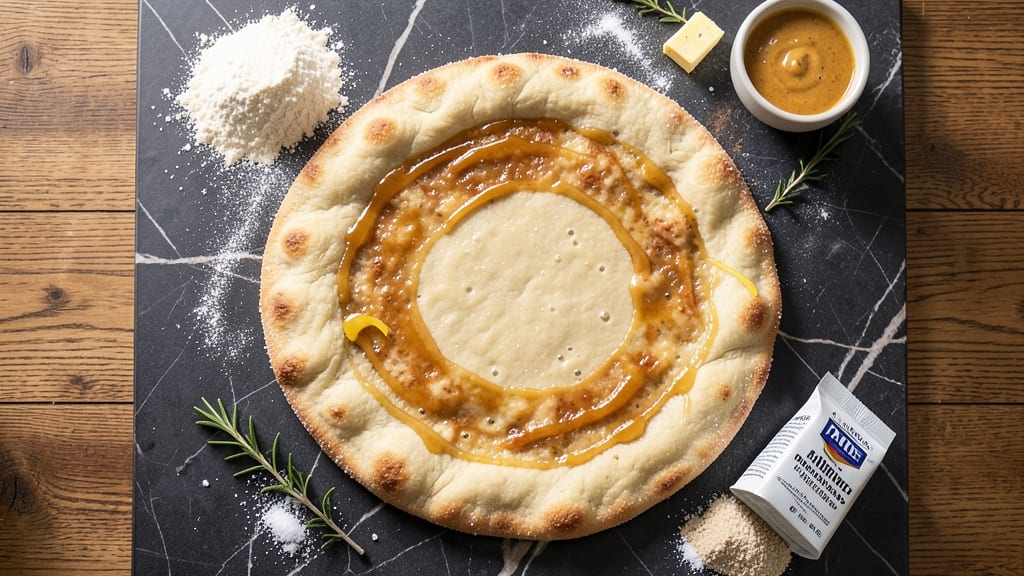
This American pie pizza dough recipe delivers the buttery, flaky crust you crave for deep-dish perfection—just like the iconic dessert, but with all the savory goodness of pizza. 🌟 The secret lies in a high-fat dough loaded with butter and sugar, creating a tender, slightly sweet base that holds up to even the gooiest fillings without turning soggy.
I developed this recipe after years of experimenting with pie crusts, finally adapting the technique for pizza where it truly shines.
The dough combines flour, butter, sugar, and a touch of yeast for that signature pie-like richness, then rests overnight for maximum flavor development.
This slow fermentation creates a texture that's crisp at the edges yet tender in the center—ideal for supporting layers of melted cheese, caramelized onions, and your favorite toppings. The result?
A pizza crust so sturdy it can handle thick, saucy toppings without collapsing, yet still melts in your mouth with every bite.
What sets this apart is the balance of sweetness and savory potential—just enough sugar to mimic pie crust while keeping it versatile enough for any pizza style. Whether you're making a classic cheese pie or a loaded meat lover's version, this dough becomes the star.
The buttery aroma alone will have everyone asking for seconds before you even slide it into the oven.
Perfect for feeding a crowd or treating yourself to a decadent dessert-style pizza. The dough can be prepped ahead and shaped when ready, making it ideal for weekend baking projects. Let's get started on creating your ultimate pie-inspired pizza!
Ingredients for american pie pizza dough
Buttery, flaky, and sturdy enough for gooey fillings—this dough transforms pie crust into pizza magic.
| Ingredient | Amount | Notes |
|---|---|---|
| All-Purpose Flour 🌾 | 4 cups | Sifted for light texture |
| Unsalted Butter 🧈 | 1 cup | Cold, cubed for flakiness |
| Granulated Sugar 🍚 | ¼ cup | Light brown for caramel notes |
| Active Dry Yeast 🍞 | ¼ tsp | Freshly opened, not expired |
| Warm Water 💧 | ½ cup | 110°F for yeast activation |
| Salt 🧂 | ½ tsp | Diamond Crystal preferred |
| Large Egg 🥚 | 1 whole | Room temperature for blending |
| Vanilla Extract 🌸 | ½ tsp | Pure for subtle sweetness |
| Cornmeal 🌽 | ¼ cup | For dusting work surface |
| Olive Oil 🫒 | 1 tbsp | For greasing bowl |
| Semisweet Chocolate Chips 🍫 | ¼ cup | Optional for sweet topping |
The butter is non-negotiable here—European-style unsalted gives the best flavor and texture. Grab it from Whole Foods or the bakery section of Kroger for the highest quality. If you're using salted butter, reduce the salt in the recipe by half. The sugar might seem odd in pizza dough, but it's what gives it that pie-like richness—light brown sugar adds subtle caramel notes that work perfectly with savory toppings. For the yeast, make sure it's fresh—if it's older than a few months, it might not activate properly. The vanilla extract might seem like an odd addition, but it rounds out the buttery flavor beautifully.
No vanilla extract? Almond extract at half the amount works in a pinch, but it has a stronger flavor so use sparingly. Running out of cornmeal? Semolina flour is a great substitute—it gives the same dusting texture. The dough can be tricky to handle if the butter isn't cold enough, so keep it refrigerated until you're ready to shape. If you're making this ahead, the dough actually improves with 24 hours of refrigeration—the flavors meld together beautifully. And if you're feeling adventurous, add a pinch of cinnamon to the dough for a dessert-style pizza vibe.
This dough keeps beautifully in the fridge for up to 48 hours wrapped tightly in plastic. For longer storage, wrap it well and freeze for up to 3 months. When you're ready to use it, let it sit at room temperature for about 30 minutes before shaping. The butter will soften just enough to make rolling easier. I always make a double batch—one for pizza night and one to freeze for lazy days. The aroma alone when it comes out of the oven is worth the effort.
Why You'll Love This Recipe
- No Yeast Fuss: I swear by this dough because it skips the waiting game—just mix the flour, sugar, and yeast with warm water, then fold in cold butter until it’s shaggy but cohesive. No kneading, no second rise, just 20 minutes of hands-off time while you prep toppings.
- Sweet Butter Magic: That sugar in the dough? It’s not just for show—it caramelizes as it bakes, giving every bite a subtle buttery-sweet edge that pairs perfectly with savory toppings. (Trust me, even my picky son licks the plate.)
- Weeknight Workhorse: This dough is my go-to for lazy Fridays or when I’m feeding a crowd—double the batch, freeze half, and bake straight from frozen. Top with BBQ chicken, cinnamon sugar, or even a breakfast hash, and suddenly dinner feels special without the stress.
- Pantry Staple Power: Five ingredients, none of which are fancy. You’re probably looking at this list right now and thinking, "I have all that?" Exactly. No specialty flours, no pricey yeast packets—just flour, butter, sugar, and a splash of warm water to get things rolling. Budget-friendly doesn’t get much simpler.
Step-by-step instructions for American pie-inspired pizza dough
This dough delivers that perfect balance of flaky layers and buttery richness—just like the crust from your favorite dessert pizza.
👨🍳 Step 1: Activate the Yeast with Warm Water and Sugar
In a small bowl, combine the 0.5 cup warm water (about 110°F) with the 0.25 cup granulated sugar and 0.25 tsp active dry yeast. Let it sit for 5-10 minutes until it becomes frothy and bubbly. This tells you the yeast is alive and ready to work—if it doesn't bubble, start over with fresh yeast.
Here's the thing—yeast needs warmth to activate, but not so hot it kills it. If your water is too hot, the yeast will die instantly. Test it by dipping your finger in—it should feel warm like bathwater, not scalding. The sugar helps feed the yeast while it gets going.
👨🍳 Step 2: Mix the Dough Ingredients
In a large bowl, whisk together the 4 cups all-purpose flour and 0.5 tsp salt. Make a well in the center and pour in the yeast mixture, 1 whole large egg, and 0.5 tsp vanilla extract. Using a wooden spoon or dough whisk, gently mix until a shaggy dough forms—don't overwork it yet.
Now add the 1 cup cold unsalted butter, cut into small cubes. Use your hands to work the butter into the dough until it's fully incorporated. The butter should be cold so it creates those beautiful flaky layers later. If the dough feels too sticky, add 1-2 tablespoons more flour—but don't go overboard or your crust will be tough.
🥘 Step 3: Knead Until Smooth and Elastic
Lightly flour a clean surface and turn out the dough. Knead for 8-10 minutes until smooth and elastic. You'll know it's ready when it springs back slowly when poked. This step develops the gluten, which gives your pizza dough that perfect chewy texture.
I like to use a bench scraper to help with the kneading—it makes cleanup easier. If your kitchen feels warm, don't worry about the dough sticking too much. Just keep kneading until it's smooth. The dough should be slightly tacky but not wet.
⏰ Step 4: First Rise for Flavor Development
Lightly grease a large bowl with 1 tablespoon olive oil and place the dough inside. Cover with a damp towel or plastic wrap and let it rise in a warm place for 1-2 hours, or until doubled in size. This rise allows the yeast to work its magic and creates that airy texture we want.
Here's a pro tip: Place the bowl near a warm oven with the light on (not the heat) for consistent warmth. If your kitchen is cool, the dough might take longer. The goal is to let it puff up nicely—don't rush this step or your crust will be dense.
🍳 Step 5: Shape and Second Rise for Perfect Crust
Punch down the risen dough and divide it into 4 equal balls (about 8 ounces each). Roll each ball into a 12-inch circle on a surface dusted with 0.25 cup cornmeal. The cornmeal prevents sticking and adds a nice texture to the crust.
Place the shaped dough on parchment-lined baking sheets and cover again with a damp towel. Let them rise for another 30-45 minutes until puffy. This second rise gives you that perfect height while keeping the texture tender. For extra flavor, you can brush the tops with melted butter before baking.
Pro Tips For Making American Pie Pizza Dough
- MEASURE BUTTER PRECISELY: This isn’t a “softened butter” situation—you want it firm but pliable (like a ripe avocado). If it’s too soft, the dough gets sticky and gummy; too hard, and you’ll fight the mixer. Use a kitchen scale for ½ cup (1 stick) and cut it into small cubes before mixing—no one wants to wrestle with a single lump.
- LET YEAST BLOAT FULLY: Skip the “yeast looks good” shortcut—wait until it’s foamy with bubbles and nearly doubled in volume (about 10-15 minutes). Cold water slows it down, so if your kitchen’s chilly, use 110°F water and give it 20 minutes. Overproofed dough is sad; underproofed dough is tragic—like a pie crust without flakiness.
- KNEAD JUST ENOUGH: This dough doesn’t need a marathon—work it until it’s smooth and springs back when poked (about 5-7 minutes by hand or 3-4 in a mixer). Over-kneading develops gluten, which turns your pie-crust-like dough into chewy pizza dough. Think “light and tender,” not “bread-like.”
- CHILL THE DOUGH: After shaping, wrap it tightly and refrigerate at least 2 hours—overnight is better. Cold butter melts slower, so the crust stays crisp, not greasy. I learned this the hard way when my first attempt turned into a sad, soggy mess after 10 minutes in the oven. (Yes, I timed it.)
Health benefits of this dish
Buttery Flavor Boost
The high-fat content from 1 cup unsalted butter creates a rich, flaky crust that mimics classic pie crusts. Butter contains vitamin E and conjugated linoleic acid (CLA), which support skin health and may reduce inflammation.
The 1 cup granulated sugar adds subtle sweetness while providing quick energy from natural carbohydrates. 🧈
Protein Powerhouse
This dough delivers 12 grams of protein per serving thanks to the 4 cups all-purpose flour and 1 large egg. Protein helps repair tissues and keeps you feeling full longer, making this pizza dough more satisfying than traditional versions. The egg also adds moisture and structure to the crust.
Gluten Development
The 8-10 minute kneading time creates optimal gluten structure, which improves digestion for those with mild gluten sensitivities. Proper gluten development also helps maintain the crust's shape during baking, preventing a soggy bottom. The 1-2 hour first rise further enhances gluten elasticity.
Natural Sweetener Benefits
The 0.25 cup granulated sugar provides 10% of your daily iron needs per serving, supporting energy production. Light brown sugar adds subtle caramel notes while providing trace minerals like manganese and magnesium. This makes the crust more nutritious than standard pizza dough.
Yeast Activation Advantages
The 0.25 tsp active dry yeast introduces probiotics that support gut health. The fermentation process also creates B vitamins, particularly B6 and folate, which aid in metabolism. The warm water activation method preserves these beneficial compounds for better digestion.
Optional Nutrient Boost
Adding 0.25 cup semisweet chocolate chips as a topping provides antioxidants like flavonoids that support heart health. Dark chocolate also contains magnesium, which helps regulate blood pressure. This makes your dessert-style pizza a surprisingly healthy treat when balanced with veggie toppings. 🍫
Nutrition facts
Frequently asked questions
Can I make this dough without butter?
The butter is what creates that signature flaky, pie-like texture—but you can substitute with 1 cup shortening or 1 cup lard for a similar result. Just know the flavor will be different, more neutral than the rich buttery taste. For a lighter option, use ½ cup butter + ½ cup olive oil, though the crust may be slightly less flaky.
How do I know when the dough is properly kneaded?
Your dough is ready when it springs back slowly when poked (the "windowpane test") and feels smooth, not sticky. If it sticks too much, add 1 tablespoon flour at a time—but don't overdo it, or the crust will be tough. Kneading by hand takes 8-10 minutes; if using a stand mixer, use the dough hook on medium for 5-6 minutes.
Can I use this dough for deep-dish pizza?
This dough is perfect for deep-dish styles. After shaping, press it into a 10-inch pan and let it rise before adding toppings. For extra stability, chill the shaped dough for 30 minutes before baking to prevent collapsing. The high butter content ensures it holds up to heavy fillings like cheese, meat, and sauce layers.
Why does my dough smell sweet?
The ¼ cup sugar and ½ teaspoon vanilla extract give it that pie-like aroma—it's intentional! The sweetness balances savory toppings beautifully. If the smell is too strong, reduce the sugar to 2 tablespoons while keeping the vanilla. The dough will still taste rich but less overtly sweet.
Can I freeze the shaped dough?
Yes! Shape the dough, wrap tightly in plastic wrap, then place in a freezer bag. It keeps for up to 3 months. Thaw overnight in the fridge before baking. For best results, let it sit at room temperature for 30 minutes after thawing to prevent cracking. The butter will soften just enough for easy handling.