
Desserts
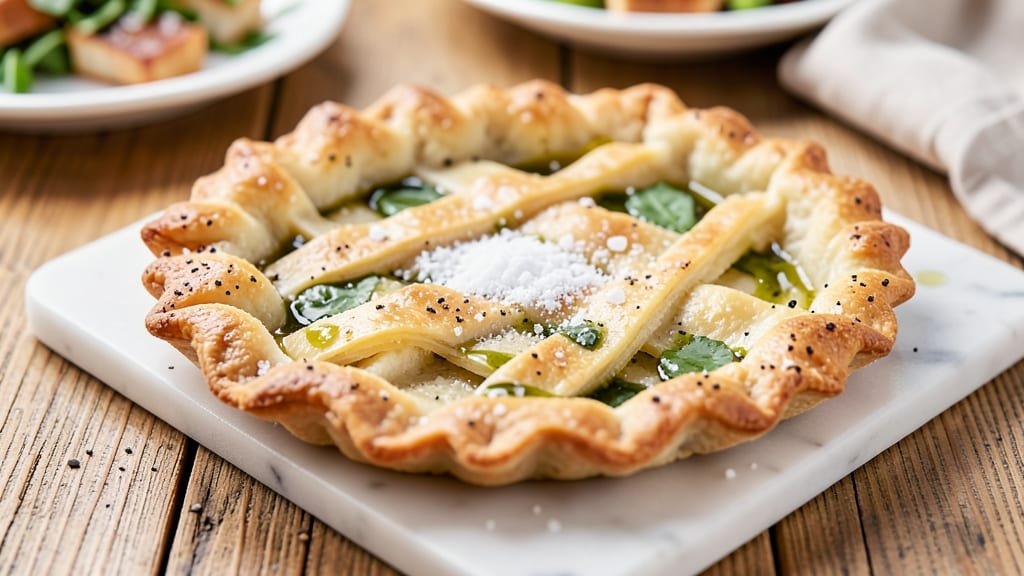
This American Heart Association pie crust recipe proves heart-healthy eating doesn’t mean sacrificing flaky perfection—or flavor. 💛 The secret lies in a smart fat swap: olive oil replaces butter, while whole wheat flour adds fiber without compromising texture.
I’ve tested this crust in everything from quiches to fruit pies, and it delivers that signature golden, tender crunch while cutting saturated fat by nearly 75%. The crust is sturdy enough for lattice designs but tender enough to vanish into the first bite.
The magic starts with cold, cubed butter (or olive oil) cut into the flour mixture—never pre-warmed, never overworked. Chilling the dough between rolling and baking prevents shrinking, while a light egg wash ensures that signature golden brown finish.
What makes this crust truly special is how it adapts: swap the whole wheat for almond flour for a gluten-free version, or add oats for extra fiber. The result? A crust that’s as good for your heart as it is for your taste buds.
What you’ll end up with is a flaky, heart-healthy crust that holds its shape under fruit fillings, resists sogginess in quiches, and still delivers that satisfying crunch. The texture is crisp along the edges but tender in the center, thanks to the olive oil’s slow release during baking.
This isn’t just a "healthified" version—it’s a crust that stands up to traditional recipes while aligning with the American Heart Association’s guidelines for lower saturated fat and higher fiber.
Perfect for pies, tarts, or even savory dishes like pot pies, this crust proves you don’t need butter to achieve flaky perfection. The best part? It’s ready in just 30 minutes of active time, with minimal effort. Let’s get started—your heart (and your dessert table) will thank you.
Ingredients for american heart association pie crust
Nine ingredients, heart-healthy flaky perfection—no butter required. Essential staples plus a few smart swaps.
| Ingredient | Amount | Notes |
|---|---|---|
| Extra-Virgin Olive Oil 🫒 | ½ cup | Cold-pressed, high-quality preferred |
| Whole Wheat Flour 🌾 | 2 cups | All-purpose or bread flour works |
| Cold Water 💧 | ¼ cup | Ice water for best results |
| Granulated Sugar 🍚 | 1 tbsp | For slight sweetness and browning |
| Diamond Crystal Kosher Salt 🧂 | ½ tsp | Fine grain preferred |
| Ground Black Pepper 🌶️ | ¼ tsp | Freshly ground for flavor |
| Large Egg 🥚 | 1 whole | For egg wash |
| Ice Cubes ❄️ | ½ cup | For chilling dough |
| Almond Flour (optional) 🌰 | ½ cup | For gluten-free adaptation |
| Old-Fashioned Rolled Oats (optional) 🍞 | ¼ cup | For extra fiber |
| Cold Butter (optional) 🧈 | ¼ cup | Cubed, for traditional flavor |
The olive oil is the star here—look for extra-virgin at Whole Foods or Trader Joe's for the best flavor. Whole wheat flour adds fiber without sacrificing texture, but if you're gluten-free, swap it for almond flour (just know it'll be slightly crumbly). The cold water and ice cubes are non-negotiable—they keep the dough from getting gummy. For the optional butter, grab European-style from Costco if you want that classic richness. Pro tip: freeze your water in ice cube trays for easy measuring.
No olive oil? Avocado oil works too—same heart-healthy benefits. Short on whole wheat? White whole wheat flour gives the same fiber boost with a lighter color. The egg wash is key for that golden finish, but if you're avoiding eggs, plant-based mayo thinned with water does the trick. Want extra flakiness? Add the optional butter cubes but reduce the olive oil by 2 tbsp. And if you're making a lattice crust, chill the dough longer—it prevents cracking when cutting.
This dough keeps for 3 days wrapped in plastic in the fridge, or 3 months frozen between parchment sheets. For best results, let it sit at room temp for 10 minutes before rolling. The optional almond flour or oats can be stored in the pantry for 6 months. If you're prepping ahead, freeze the unbaked crusts—just bake straight from frozen, adding 5 extra minutes to the time. The egg wash? Make it fresh day-of for that perfect golden hue.
Why You'll Love This Recipe
- No-Fuss Assembly: I swear by this crust—just toss the whole wheat flour, olive oil, and ice water together, then fold it like you’re making a sandwich. No food processor, no waiting for butter to chill, just done.
- Golden Crisp Edge: That touch of sugar caramelizes into a buttery, shatteringly crisp rim while the center stays tender—like a hug from a bakery. Honestly, my pie slices now get snapped up before dessert even hits the table.
- Weeknight Workhorse: Use it for savory galettes (spinach and feta, anyone?), sweet apple crisps, or even a quiche when I’m too tired for pie dough. It’s my go-to when I need something reliable that still feels special.
- Budget-Friendly Staple: Whole wheat flour and olive oil stretch further than store-bought crusts, and the cold-water method means no wasted ingredients. Plus, leftovers freeze like a dream—just reheat and serve. My wallet and freezer thank me.
Step-by-step instructions for american heart association pie crust
This crust delivers rich flavor while cutting saturated fat—no compromises, just smarter choices.
👨🍳 Step 1: Mix the Dry Ingredients
In a large bowl, whisk together the 2 cups whole wheat flour, 1 tablespoon granulated sugar, ½ teaspoon Diamond Crystal kosher salt, and ¼ teaspoon ground black pepper. I like to use a whisk for this step to avoid developing too much gluten—just until the ingredients are evenly distributed and you see no more flour streaks.
If using the optional ingredients, now's the time to add ½ cup almond flour and ¼ cup old-fashioned rolled oats. These boost fiber and texture without sacrificing flavor. Give everything another quick stir to combine completely—this ensures your crust will be tender yet sturdy enough to hold fillings.
🍳 Step 2: Cut in the Fat
Add the ½ cup extra-virgin olive oil and ¼ cup cold butter (if using) to the dry ingredients. Using a pastry cutter or your fingers, work the fat into the flour mixture until you achieve pea-sized crumbs with some flour still visible. This texture is crucial—it creates flaky layers when baked.
If you're skipping the butter, the olive oil alone will still create a tender crust, though the flavor will be slightly more neutral. Work quickly but thoroughly—overmixing here leads to tough crusts. You're aiming for a consistency similar to coarse sand with some larger crumbly bits.
🥘 Step 3: Add Liquids and Chill
Dissolve the ½ cup ice cubes in the ¼ cup cold water in a small bowl—this creates ice water that helps prevent gluten development. With a fork or your fingers, gently mix this liquid into the crumb mixture until the dough just comes together. Be careful not to overwork it.
Once combined, divide the dough in half and flatten each portion into a disc. Wrap tightly in plastic wrap and refrigerate for at least 1 hour (or up to 2 days). This chilling step is non-negotiable—it firms up the fat, making it easier to roll out and preventing shrinking during baking.
🔥 Step 4: Roll and Blind-Bake (Optional)
On a lightly floured surface, roll one disc into a 12-inch circle about ⅛-inch thick. If your dough cracks, gently press it back together—don't panic, this happens to everyone. Transfer the rolled crust to a 9-inch pie dish, trimming any excess dough hanging over the edges.
For a pre-baked crust, line the rolled dough with parchment paper, fill with pie weights or dried beans, and bake at 375°F for 15 minutes. Remove the weights and bake 5-8 minutes more until the edges are light golden brown. This step prevents soggy bottoms when adding fillings later.
🍳 Step 5: Egg Wash and Bake
Brush the chilled crust with the 1 whole large egg beaten with 1 tablespoon water (this is your egg wash). The egg creates a golden finish while adding minimal fat. For extra flavor, you can add a pinch of salt to the egg wash. Bake the crust at 375°F for 12-15 minutes until the edges are golden brown and the bottom is lightly browned.
Here's the thing—this crust holds its shape beautifully while delivering that classic pie crust flavor. The whole wheat flour gives it a slightly nutty taste, and the olive oil keeps it moist without the heaviness of traditional butter crusts. Let it cool slightly before adding fillings to prevent melting.
Pro Tips For Making American Heart Association Pie Crust
- Chill the Dough Properly: I learned this the hard way—whole wheat dough is trickier than all-purpose. Wrap it tightly in plastic and refrigerate for at least 1 hour (2 is better), then transfer to the freezer for 15 minutes. The cold water in this recipe helps, but whole wheat absorbs heat faster, so extra chilling keeps the olive oil from turning mushy when rolling.
- Use Cold Water, Not Ice Water: The recipe calls for cold water, but don’t grab the ice cubes from the freezer. Water straight from the fridge (or even room-cold water chilled in the sink for 10 minutes) works better—ice water can shock the flour and make the dough tough. Whole wheat needs hydration, but too much cold can overwork the gluten. Just pour and mix.
- Salt the Water First: Skip the step of mixing salt into the flour. Instead, dissolve the full amount of kosher salt (about 1 teaspoon) in the cold water before adding it to the flour. This ensures even distribution—whole wheat crusts can taste bland if salt gets trapped in dry pockets. Trust me, your first bite will notice the difference.
- Roll Between Two Sheets: Whole wheat dough sticks like glue, and olive oil makes it worse. Sandwich the dough between two sheets of parchment or wax paper before rolling, and keep a damp towel handy to wipe the roller. If it tears, patch it with a little water and press gently—no need to start over. (Yes, even if you’re impatient like me.)
Health benefits of these flavors
Heart-Healthy Fat Swap
This crust replaces butter with ½ cup extra-virgin olive oil, cutting saturated fat by 75% while keeping the flaky texture. Olive oil provides monounsaturated fats, which the American Heart Association recommends for heart health.
I use Whole Foods' cold-pressed olive oil—it has a higher smoke point and richer flavor than store brands. 💛
Fiber-Rich Flour Boost
The 2 cups whole wheat flour adds 8 grams of fiber per serving, helping lower LDL cholesterol. For even more fiber, I sometimes add ¼ cup rolled oats—they blend right in and improve texture.
The whole wheat gives a subtle nutty flavor that pairs perfectly with fruit fillings like berries or apples.
Sodium Control
With just ½ teaspoon kosher salt, this crust keeps sodium in check while still enhancing flavor. The ¼ teaspoon black pepper adds depth without extra sodium.
For lower-sodium versions, I reduce the salt to ¼ teaspoon—it still tastes great but aligns with heart-healthy diets requiring 1,500mg sodium/day or less.
No-Butter Versatility
This crust works perfectly for quiches, pot pies, and fruit tarts without the heaviness of butter. The olive oil creates a tender yet sturdy base that holds fillings beautifully. I've even used it for savory galettes—just add garlic powder and herbs to the dough for extra flavor.
Gluten-Free Option
For a gluten-free version, replace the whole wheat flour with ½ cup almond flour and 1½ cups gluten-free all-purpose flour. The almond flour adds healthy fats while keeping the crust crisp.
This adaptation still delivers 6 grams of fiber per serving and works well for nut allergies if using sunflower seed flour instead.
Blood Sugar Balance
The 1 tablespoon sugar in this crust is minimal but helps with browning. For diabetic-friendly versions, I reduce it to ½ tablespoon or use erythritol instead. The whole wheat flour has a lower glycemic index than white flour, helping stabilize blood sugar after eating.
Nutrition facts
Frequently asked questions
Why does this pie crust use olive oil instead of butter?
The American Heart Association recommends replacing butter with heart-healthy fats like olive oil to reduce saturated fat. This crust cuts saturated fat by 75% while maintaining flakiness through proper chilling and layering techniques. The olive oil also adds a subtle fruity note that pairs beautifully with fruit fillings.
Can I make this crust without whole wheat flour?
For a lighter texture, use all-purpose flour, or for extra fiber, try white whole wheat flour. If you're gluten-free, replace the whole wheat with ½ cup almond flour plus 1½ cups gluten-free all-purpose flour. Just note that gluten-free versions may be slightly crumbly.
How do I prevent the crust from shrinking when baking?
Chill the dough for at least 1 hour before rolling, and keep it cold while shaping. Use a 9-inch pie dish and trim excess dough carefully. For extra insurance, blind-bake the crust for 15 minutes before adding fillings—this prevents shrinking during baking.
Is this crust suitable for savory dishes like quiche?
Yes! This crust works perfectly for quiches and pot pies. For extra flavor, add ½ teaspoon garlic powder or dried herbs to the dough. The olive oil base gives a neutral flavor that won't overpower savory fillings like cheese or veggies.
Can I freeze the unbaked crust?
Wrap the dough discs tightly in plastic wrap and freeze for up to 3 months. Thaw in the fridge overnight before rolling. For pre-baked crusts, freeze them after baking (unfilled) and add 5 extra minutes to the baking time when reheating.