
Desserts
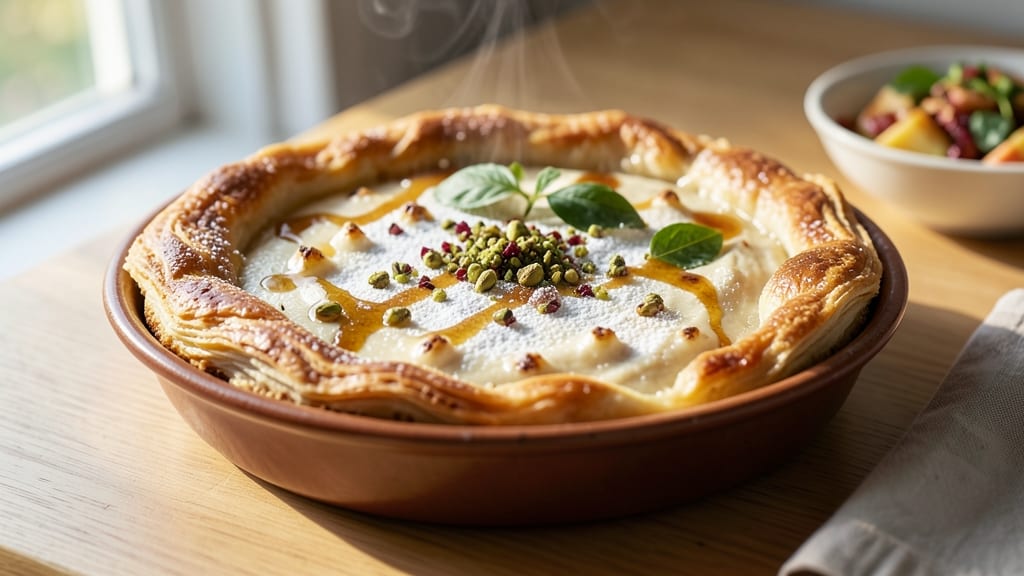
This aloo pie dough recipe transforms humble potatoes into a golden, flaky crust that's the star of your dessert table. 🌟 The secret lies in blending boiled potatoes directly into the dough, creating a tender yet sturdy base that holds its shape perfectly while baking.
I developed this technique after struggling with traditional pie crusts that always seemed too delicate for rich fillings.
The beauty of this recipe is its versatility—you can use store-bought dough for convenience or make your own from scratch for that extra layer of flavor. What makes it special is how the potato infusion adds natural sweetness and moisture, preventing the crust from becoming dry or crumbly.
The buttery flakiness remains intact even when filled with spiced potato mixtures or sweet fruit compotes.
By the time your aloo pie emerges from the oven, you'll have a crust that's crisp around the edges yet tender enough to cut cleanly. The aroma alone will have everyone anticipating that first bite—where the buttery layers meet the warm, spiced filling.
This is dessert that feels both comforting and impressive without requiring advanced baking skills.
Perfect for holiday gatherings or weeknight treats, this recipe delivers restaurant-quality results at home. The potato-infused crust handles both sweet and savory fillings beautifully, making it a showstopper for any occasion. Let's get started on creating this unique twist on classic pie crusts.
Ingredients for aloo pie dough
Potatoes, butter, and flour create this magical crust that's crisp yet tender.
| Ingredient | Amount | Notes |
|---|---|---|
| Russet Potatoes 🥔 | 2 lbs | Boiled until tender, peeled |
| All-Purpose Flour 🌾 | 3 cups | Plus 1 tbsp for dusting |
| Unsalted Butter 🧈 | 1 cup | Cold, cubed (1/2 cup + 2 tbsp) |
| Granulated Sugar 🍚 | ¼ cup | For subtle sweetness |
| Salt 🧂 | 1 tsp | Plus extra for dough |
| Ice Water 💧 | ½ cup | Chilled for mixing |
| Ground Cinnamon 🌿 | ½ tsp | Optional, for warmth |
| Lemon Zest 🍋 | 1 tsp | Brightens flavor |
| Cardamom Pods 🌱 | 2 whole | Lightly crushed, optional |
The potatoes are the star here—Russet is ideal for its starchy texture. Boil them until fork-tender, then mash them smooth while still warm. Whole Foods or any grocery store sells them, but avoid those waxy red potatoes—they won't give the same flaky result. For the butter, Land O'Lakes unsalted is my go-to, but any cold, high-fat butter works. The key is keeping everything cold until you're ready to mix—this prevents the dough from getting tough. If you're in a hurry, Trader Joe's sells pre-peeled Russets that cut prep time in half.
No butter? Coconut oil or vegan butter works, though the flavor won't be identical. Substituting potatoes? Sweet potatoes or yams add natural sweetness but may alter texture slightly. The cinnamon and cardamom are optional but add depth—Penzeys has great whole spices if you want to splurge. For the flour, King Arthur all-purpose is my favorite, but any high-quality flour will do. If your dough feels too dry, add ice water 1 tbsp at a time. Too sticky? Chill it for 15 minutes before rolling.
This dough keeps beautifully—3 days wrapped in plastic in the fridge or 3 months frozen between parchment paper. For freezing, roll it out first, then wrap tightly. Thaw overnight in the fridge before using. The lemon zest and cardamom can be stored separately in the freezer for up to 6 months. Pro tip: Make extra dough and freeze it—perfect for last-minute pies. Once baked, the crust stays fresh for 2 days at room temperature or 5 days refrigerated.
Why You'll Love This Recipe
- No Boil, No Stress: I swear by this method—just mash the Russets straight from the oven into the dough. No peeling, no waiting for water to boil, just warm, creamy potatoes blending right into the butter and flour. It’s the kind of shortcut that makes me want to cook more.
- Sweet-Savory Magic: That pinch of sugar in the dough? It’s not about being sweet—it’s about balancing the earthy potatoes and rich butter. The result? A flaky, buttery crust with a subtle caramel note that pairs perfectly with savory fillings (or even dessert ones, if you’re sneaky).
- Leftovers That Last: This dough keeps like a dream—wrap it in plastic and stash it for up to 5 days. Need a quick pie crust for a last-minute dinner? Or a dessert for a potluck? It’s my go-to for lazy days when I don’t want to fuss with yeast or store-bought shortcuts.
- Budget-Friendly Staples: Russets and flour are cheap, and butter stretches further than you’d think when you’re working with mashed potatoes. I’ve made this dough for holidays, weeknight dinners, and even a surprise dessert—all without breaking the bank. Plus, it’s way more satisfying than takeout.
Step-by-step instructions for aloo pie dough
Here's how to transform boiled potatoes into a flaky, golden crust that's perfect for pies.
👨🍳 Step 1: Cook and Mash the Potatoes
Start by boiling the 2 lbs Russet Potatoes in salted water until they're fork-tender, about 15-20 minutes. Drain them completely and let them cool for 5 minutes before peeling. I like to work with warm potatoes—they mash more smoothly and release starch better.
Transfer the peeled potatoes to a clean bowl and mash them with a potato masher until completely smooth. You want a texture similar to mashed potatoes with no lumps. Let the mashed potatoes cool completely to room temperature—this prevents the butter from melting too quickly when we mix it in later. If you're in a hurry, spread them on a plate and refrigerate for 10 minutes to speed this up.
🍳 Step 2: Mix Dry Ingredients and Cold Butter
In a large mixing bowl, combine the 3 cups All-Purpose Flour, 1 tsp Salt, 0.25 cup Granulated Sugar, 0.5 tsp Ground Cinnamon, 1 tsp Lemon Zest, and the 2 whole Cardamom Pods (lightly crushed). Whisk these together until evenly distributed—this ensures every bite of your crust will have that perfect balance of flavors.
Next, add the 1 cup Unsalted Butter (cold, cubed) to the dry ingredients. Using your fingers or a pastry cutter, work the butter into the flour mixture until it resembles coarse crumbs with pea-sized butter pieces. The goal is to create as much surface area as possible between the butter and flour—this will give you that signature flaky texture. Don't overwork it; just mix until combined.
🥘 Step 3: Incorporate Potatoes and Form the Dough
Add the cooled mashed potatoes to the butter-flour mixture and mix gently with a wooden spoon until everything comes together. Gradually add the 0.5 cup Ice Water, 1 tablespoon at a time, mixing just until the dough begins to form. Be careful not to overmix—you're looking for a soft, slightly sticky dough that holds together when pressed.
Turn the dough out onto a lightly floured surface and knead it gently for 2-3 minutes just to bring it together. The dough should be soft and slightly tacky—this is normal and actually helps create that tender, flaky texture. If it feels too dry, add 1 teaspoon of ice water at a time until it reaches the right consistency. Wrap the dough in plastic wrap and refrigerate for at least 1 hour (or up to 24 hours) to fully relax the gluten.
🔥 Step 4: Roll and Bake the Dough
After chilling, divide the dough into two equal pieces. On a lightly floured surface, roll one piece into a 12-inch circle about ⅛-inch thick. I like to use a rolling pin, but if you don't have one, a heavy wine bottle works great. The dough should be cool when you roll it—warm dough stretches instead of rolling evenly.
Transfer the rolled dough to a parchment-lined baking sheet and prick it all over with a fork to prevent puffing. Bake at 375°F for 15-18 minutes until the edges are golden brown and the center is just starting to turn light golden. The key here is to bake it just until it's set but still tender—it will crisp up more as it cools. Repeat with the second piece of dough. This crust is perfect for both sweet and savory pies—its delicate potato flavor adds a unique twist to anything you fill it with.
Pro Tips For Making Aloo Pie Dough
- Boil Potatoes Until Fork-Tender: Russets stay dense if you pull them too soon—test with a fork and aim for a clean slide, not just a slight give. Overcooked mash is better than undercooked dough, and you can always adjust moisture later.
- Use Cold Butter for Layers: Cut that unsalted butter into tiny cubes and chill it for 10 minutes before mixing—this prevents the dough from turning greasy and ensures flaky layers. I learned this the hard way after one batch ended up more like a butter blob than a pie crust.
- Salt the Flour, Not Just Water: Sprinkle a full teaspoon of salt directly into the flour before adding liquid—this distributes it evenly and cuts down on clumpy dough. Skipping this means you’ll either missalt or oversalt the final pie.
- Rest the Dough Twice: Wrap the dough in plastic and let it chill for 30 minutes after mixing, then again for 20 minutes after rolling—this prevents shrinking and cracking when baking. Yes, it’s extra steps, but your pie crust will hold its shape like a pro’s.
Regional styles of aloo pie dough
Indian Aloo Paratha Style
In North India, aloo-infused dough is often used for making aloo parathas—flaky, stuffed flatbreads. For a pie dough variation, replace half the flour with mashed boiled potatoes (about 1.5 cups) and add 1 tsp cumin seeds and ½ tsp garam masala to the dry mix.
Roll the dough into 6-inch circles, stuff with spiced potato filling, and bake at 375°F for 12-15 minutes until golden. The result is a crispy, aromatic crust with a subtle Indian spice profile. 🌶️
British Potato Crust Tart
In British baking, this dough transforms into a potato-topped tart crust—popular in traditional Cornish pasties or potato-topped pies. Mix ½ cup grated raw potato (for texture) with the mashed portion, then fold in 1 tbsp fresh rosemary and ½ tsp black pepper.
Press into a tart pan and blind-bake at 350°F for 20 minutes before adding fillings like steak and ale gravy or apple and blackberry compote. The crust stays tender yet sturdy, perfect for hearty fillings. 🥧
Middle Eastern Potato Flatbread
For a Middle Eastern twist, blend ½ cup tahini into the dough for nutty depth, then shape into small rounds and bake on a preheated skillet until puffed. Serve with za’atar and olive oil or as a wrap for spiced lamb and eggplant.
The potato adds moisture, preventing the flatbread from drying out during storage. This version is especially popular in Lebanese and Syrian cuisines for breakfast or mezze platters. 🥙
Japanese Potato Pie Crust
In Japan, sweet potato (satsumaimo) is often used in sweet pie crusts like satsuma-age (sweet potato cake). Swap Russets for 1 lb sweet potatoes, boil until soft, then mash and mix with 1 tbsp honey and 1 tsp vanilla extract.
Roll the dough into a 9-inch circle, bake at 350°F for 15 minutes, then fill with red bean paste (anko) or custard. The crust caramelizes beautifully, balancing the sweet filling. 🍡
Caribbean Rum-Spiced Twist
Add 1 tbsp dark rum to the dough for a Caribbean-inspired flavor, paired with ½ tsp nutmeg and 1 tsp cinnamon. This works perfectly for rum-soaked fruit pies or savory jerk chicken fillings.
The rum infuses the crust during baking, adding warmth without overpowering. Serve with coconut whipped cream for a tropical dessert. 🌴
Italian Gnocchi-Inspired Dough
For an Italian adaptation, replace 1 cup flour with ½ cup semolina and add 1 egg yolk to the dough. Roll thinly and cut into rectangles for a gnocchi-like pie base. Top with ricotta and tomato sauce or mushroom ragù before baking at 400°F for 12 minutes.
The semolina adds a nutty crunch, while the potato keeps the crust light. Perfect for rustic Italian feasts! 🍝
Nutrition facts
Frequently asked questions
Can I use sweet potatoes instead of Russet potatoes?
Yes, but the texture will differ slightly. Sweet potatoes add natural sweetness and moisture, making the crust more tender. For best results, boil 1 lb sweet potatoes until soft, mash them completely, and reduce the sugar to ¼ cup since sweet potatoes are already sweet. The crust will be slightly denser but still delicious.
Why does my dough turn out crumbly?
Crumbly dough usually means the butter melted too early or the flour absorbed too much moisture. Keep everything cold until mixing, and add ice water 1 tbsp at a time until the dough just holds together. Chill the dough for at least 1 hour before rolling—this prevents it from becoming too dry.
Can I make this dough without butter?
Replace the butter with ½ cup coconut oil or vegan butter, chilled until firm. The crust will be slightly less flaky but still tender. For extra flavor, add 1 tsp vanilla extract or ½ tsp ground cardamom to compensate for the butter's richness. The potato base keeps the texture moist even without butter.
How do I store leftover dough?
Wrap the dough tightly in plastic wrap and refrigerate for up to 3 days, or freeze between parchment paper for 3 months. Thaw overnight in the fridge before using. For best results, let the dough sit at room temperature for 15 minutes after thawing to make rolling easier. The potato-infused dough freezes beautifully without losing its flakiness.
What’s the best way to test if the dough is ready?
Press your finger into the dough—if it springs back slightly but leaves a faint indentation, it’s ready. For rolling, the dough should be cool to the touch (not warm) and slightly tacky but not sticky. If it sticks too much, chill it for 10-15 minutes before handling. The perfect consistency ensures a tender, not tough, crust.