
Desserts
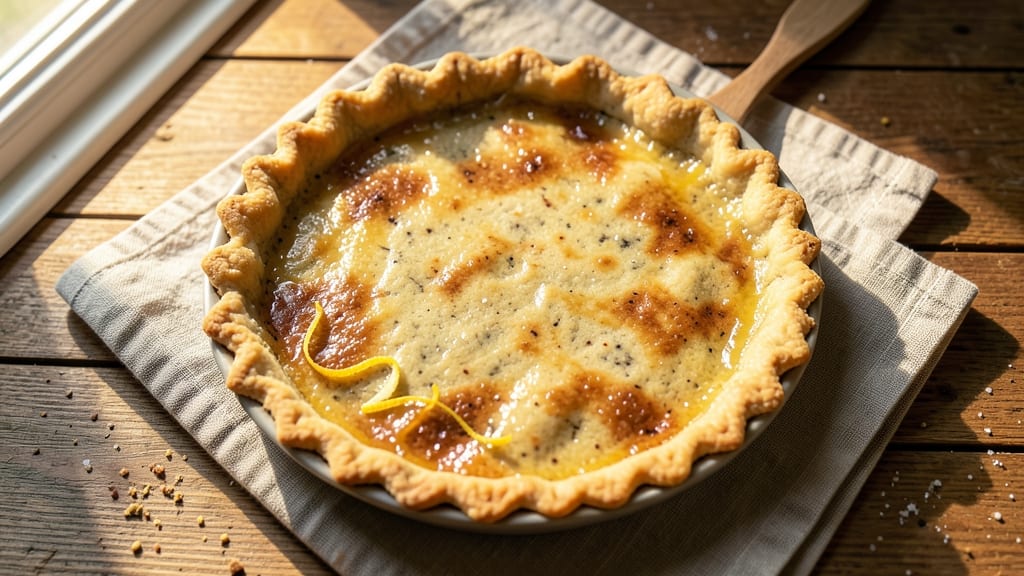
This almond flour butter pie crust recipe delivers the perfect balance of nutty crunch and buttery richness without the flakiness of traditional dough. The secret lies in blending almond flour’s natural oils with cold butter for a texture that’s sturdy yet tender—ideal for fruit pies, cheesecakes, or even savory tarts.
I developed this recipe after struggling with crumbly almond crusts, and the difference is night and day.
The beauty of almond flour is its ability to absorb moisture while adding a delicate sweetness that complements any filling. Unlike grain-based crusts, this version holds its shape during baking and stays crisp even after cooling.
The butter adds richness, while a pinch of salt and vanilla elevate the flavor profile—no one will guess it’s gluten-free. Best of all, it requires just 10 minutes of prep and bakes in 15 minutes at 350°F.
What sets this crust apart is its versatility: pair it with classic apple pie, a creamy lemon meringue, or even a savory mushroom tart. The nutty undertones enhance sweet fillings, while the buttery layers create a satisfying contrast.
It’s the kind of crust that transforms a simple dessert into something extraordinary—without the fuss of pie crusts that crack or shrink.
For those new to almond flour, the key is not overworking the dough—press it gently into the pan and avoid excessive handling to prevent oil release. Chill it for 20 minutes before baking to ensure stability.
This crust isn’t just a dietary substitute; it’s a game-changer for anyone who loves a perfect, foolproof foundation for their desserts.
Ingredients for almond flour pie crust recipe with butter
Nine ingredients transform into the perfect nutty, buttery crust that holds its shape and tastes extraordinary.
| Ingredient | Amount | Notes |
|---|---|---|
| Almond Flour 🌰 | 2 cups | Finely ground, unsweetened |
| Unsalted Butter 🧈 | ¾ cup | Cold, cubed, high-fat content |
| Pure Vanilla Extract 🌿 | 1 tsp | High-quality, pure vanilla |
| Granulated Sugar 🍚 | ¼ cup | Fine grain preferred |
| Fine Sea Salt 🧂 | ½ tsp | Diamond Crystal preferred |
| Ice Water 💧 | ¼ cup | Chilled for binding |
| Ground Vanilla Bean Seeds 🌿 | ½ tsp | Optional, for extra flavor |
| Xanthan Gum 🧪 | ¼ tsp | For binding, gluten-free |
| Lemon Zest 🍋 | 1 tsp | Fresh, finely grated |
Almond flour is the star here—Bob’s Red Mill or Anthony’s Goods are my go-tos for consistency. The butter needs to be cold and cubed; don’t let it soften or the crust will lose its structure. I always grab European-style butter (like Plugrá) for higher fat content, which makes this crust extra rich. The vanilla extract should be pure, not imitation—McCormick or Nielsen-Massey are reliable brands. For the lemon zest, use organic lemons if possible—they’re brighter and more fragrant.
No almond flour? Hazelnut flour works in a pinch, but the flavor will differ slightly. Running short on butter? Coconut oil solidified in the fridge mimics the texture, though the flavor won’t be identical. Skip the xanthan gum? Add an extra 1 tbsp of almond flour, but the crust may be slightly less sturdy. The sugar can be swapped for maple sugar or coconut sugar for a less refined taste. If you’re avoiding vanilla extract, vanilla bean paste works beautifully—just halve the amount since it’s more concentrated.
This dough is best used fresh, but you can wrap tightly in plastic and refrigerate for up to 3 days. For longer storage, freeze shaped discs for 3 months—thaw in the fridge overnight before using. The crust stays crisp for about 4 days at room temperature if stored in an airtight container. I always preheat my oven to 350°F and use a pie dish that’s been chilled in the freezer for 10 minutes—this prevents shrinking. Trust me, the extra prep time is worth it.
Why You'll Love This Recipe
- No-Fuss Mixing: This crust comes together with just four ingredients—no rolling, no fuss, no stress. I pulse the almond flour and cold butter in my food processor until it resembles wet sand, then fold in vanilla and sugar. Honestly, it’s the kind of recipe that makes me laugh because it’s so simple, yet somehow still feels special.
- Buttery Crisp Magic: That first bite? Pure satisfaction. The butter makes it rich and flaky, while the vanilla adds this subtle warmth that lingers. It’s not overly sweet—just enough to balance the nutty depth of the almond flour, so it works for both sweet and savory pies.
- One Crust, Endless Uses: I’ve used this for apple pies, cheesecakes, and even a quiche—it holds up perfectly every time. Between us, it’s my go-to for holiday desserts because it’s foolproof, and no one ever questions why it’s different. (Yes, even on a Tuesday night.)
- Budget-Friendly Luxury: Almond flour isn’t cheap, but a little goes a long way—this recipe makes two crusts, and leftovers freeze beautifully. I’ll be real: it feels like a gourmet treat without the gourmet price tag, which is a win for my wallet and my taste buds.
Step-by-step instructions for almond flour butter pie crust
This crust delivers perfect texture—flaky, buttery, and sturdy—without gluten or fuss.
Whisk Dry Ingredients for Even Distribution
In a large bowl, combine the 2 cups almond flour, 0.25 cup granulated sugar, 0.5 tsp fine sea salt, 0.25 tsp xanthan gum, and 1 tsp lemon zest. Whisk vigorously for 1-2 minutes until no dry spots remain. The almond flour should look uniformly moistened—this prevents clumping later. I like to press the mixture through a fine-mesh sieve for extra smoothness, especially if your almond flour has any coarse bits.
Add the 1 tsp pure vanilla extract and 0.5 tsp ground vanilla bean seeds now. The seeds add subtle depth, but they're optional if you prefer classic vanilla flavor. Gently fold these in with a spatula to avoid deflating the air you've just incorporated. The mixture should resemble fine crumbs with a slightly sticky consistency—this is perfect for binding with the butter.
Cut in Cold Butter for Flaky Layers
Add the 0.75 cup cold, cubed unsalted butter to the dry mixture. Using a pastry cutter or two forks, work quickly to cut the butter into the almond flour until you achieve pea-sized crumbs with some larger butter pieces remaining. This creates those signature flaky layers in the final crust. If the mixture feels too dry, sprinkle 1 tablespoon ice water now—just enough to help the dough come together when pressed.
Here's the thing—don't overwork the dough. Every time you press or fold, you develop gluten-like proteins in the almond flour that can make the crust tough. Stop when the mixture holds together when pressed gently but still has visible butter flecks. If it crumbles too easily, add another teaspoon of ice water until it forms a cohesive mass.
Hydrate and Shape the Dough
Add the remaining 0.25 cup ice water 1 tablespoon at a time, mixing gently with a spatula after each addition. The dough should come together when pressed—it'll be slightly sticky but not wet. Real talk: it's okay if it looks messy at this stage. The cold water helps bind the almond flour without making the crust rubbery. If the dough feels too soft, chill it for 10 minutes while you prepare your pie dish.
Turn the dough onto a lightly floured surface and divide it into two equal discs. Wrap each in plastic wrap and flatten into 6-inch rounds about ¼-inch thick. The key here is even thickness—this ensures uniform baking. If the dough resists shaping, let it rest for 5 minutes longer. The cold butter needs to stay firm until it hits the oven.
Blind-Bake for Perfect Structure
Preheat your oven to 350°F. Line a 9-inch pie dish with one dough disc, pressing gently to adhere to the bottom and sides. Trim any excess dough hanging over the edge. Cut a 12-inch circle of parchment paper and place it over the crust. Fill the center with pie weights or dried beans (about 1 cup) to prevent puffing. Bake for 15 minutes until the edges begin to lightly golden.
Remove the weights and parchment, then bake for another 10-12 minutes until the crust is golden brown and completely set. The edges should be firm to the touch, and the center should hold its shape when pressed gently. Here's where patience pays off—underbaking leads to a soggy crust, while overbaking makes it dry. If the edges brown too quickly, tent with foil to protect them during the final minutes.
Cool and Fill with Confidence
Let the crust cool completely in the pie dish—at least 30 minutes—before adding filling. This prevents the filling from steaming the crust and making it soggy. The cooled crust should be firm and dry to the touch, with no soft spots. If you're making a custard filling, you can actually fill the warm crust and bake it immediately—just reduce the oven temperature to 325°F for the filling stage.
The beauty of this crust is its versatility. Use it for sweet fillings like berry compotes or chocolate ganache, or even savory options like spinach and cheese. The nutty flavor pairs beautifully with both. Once filled, bake according to your recipe's instructions, but always pre-bake the crust first—this ensures it holds its shape under wet fillings.
Pro Tips For Making Almond Flour Pie Crust Recipe With Butter
- Chill the Butter First: I learned this the hard way—when the butter’s too soft, the crust turns greasy instead of flaky. Cut the cold butter into ¼-inch cubes and refrigerate them for at least 30 minutes before mixing. (Yes, even if you’re impatient like me.)
- Pulse the Almond Flour: Skip measuring by scooping—it packs differently. Instead, weigh it out (1 cup = ~100g) and pulse it in a food processor for 10-15 seconds. This breaks up any clumps and ensures even distribution, so your crust doesn’t turn out dense or crumbly.
- Press the Crust Firmly: Don’t just shove the dough into the pie dish—press it down hard with your fingers or a glass, especially along the edges. The almond flour crust needs that pressure to seal properly, or it’ll shrink during baking and leave gaps. (Your future self will thank you.)
- Bake with a Weight: Place a baking sheet on the rack below the pie dish and fill it with pie weights or dried beans. This prevents the crust from puffing up unevenly, which happens more often with almond flour than with wheat-based crusts. (Does it look weird? Yes. Does it work? Every single time.)
Perfect pairings for almond flour pie crust recipe with butter
Sweet Fillings
This nutty, buttery crust shines with classic fruit pies like apple or peach—the almond flavor enhances the natural sweetness beautifully. For a showstopper, try a berry compote with mixed berries, a touch of honey, and a sprinkle of vanilla bean.
The crust’s sturdy structure handles juicy fillings without becoming soggy. I love adding a pinch of cinnamon to the filling for warmth that complements the crust’s vanilla notes. 🍓
Creamy Cheesecakes
Swap the traditional graham cracker crust for this almond version—it adds a delicate crunch and subtle sweetness that pairs perfectly with cream cheese fillings. A lemon curd layer or raspberry swirl elevates it further.
For extra flair, dust the top with powdered sugar and garnish with toasted almond slices before serving. The nutty base balances the richness of cream cheese beautifully. 🧀
Savory Tarts
Don’t limit this crust to sweets! It’s fantastic for savory tarts like spinach and ricotta or mushroom and goat cheese. The almond flavor adds depth to earthy fillings, while the buttery layers create a satisfying contrast.
For a pop of color, drizzle with balsamic glaze or sprinkle with fresh thyme before baking. It’s a game-changer for brunch or appetizers. 🍄
Chocolate Ganache
Pair this crust with dark chocolate ganache for a decadent dessert that’s gluten-free and rich. The almond flavor cuts through the bitterness of dark chocolate, creating a harmonious balance.
For extra indulgence, fold whipped cream into the ganache before pouring. Top with sea salt flakes and orange zest for a sophisticated finish. 🍫
Custard Pies
This crust holds up beautifully with custard-based fillings like pumpkin or key lime. The nutty crunch contrasts the smoothness of custard, while the vanilla in the crust enhances the filling’s flavors.
For a twist, add toasted coconut flakes to the crust before baking—it adds texture and a tropical vibe. Serve with vanilla ice cream for the ultimate comfort dessert. 🍋
Nutrition facts
Frequently asked questions
Why does my almond flour crust turn out crumbly?
Almond flour lacks gluten, so overworking the dough or using warm butter releases too much oil, causing crumbles. Work quickly with cold butter and avoid excessive mixing. If the dough feels dry, add ice water 1 tablespoon at a time until it holds together when pressed. Chilling the dough for 20 minutes before shaping also helps.
Can I make this crust without xanthan gum?
Yes! If you skip xanthan gum, add 1 extra tablespoon of almond flour to help bind the mixture. The crust may be slightly less sturdy, especially with wet fillings. For better results, use 1/4 tsp psyllium husk powder as a substitute—it mimics xanthan gum's binding properties beautifully.
How do I prevent the edges from burning before the center bakes?
Prevent uneven baking by pre-chilling your pie dish for 10 minutes before adding the crust. Use a pie shield or foil tent over the edges during the first 10 minutes of baking. For extra insurance, bake the crust at 325°F instead of 350°F—it takes 2-3 minutes longer but ensures even browning.
What’s the best way to store leftover crust?
Wrap unused dough tightly in plastic wrap and refrigerate for up to 3 days. For longer storage, shape into discs, wrap, and freeze for 3 months. Thaw in the fridge overnight. Baked crust stays crisp for 4 days in an airtight container at room temperature. For extra freshness, place a slice of bread in the container to absorb moisture.
Can I use this crust for a deep-dish pie?
This recipe works best for standard 9-inch pies, but you can adapt it for deep-dish by increasing the dough to 2.5 cups almond flour and adding 1 extra tablespoon of butter. Press the dough into a 10-inch dish and blind-bake for 20 minutes with weights. The crust may be slightly thicker, so bake at 325°F to prevent over-browning.