
Desserts
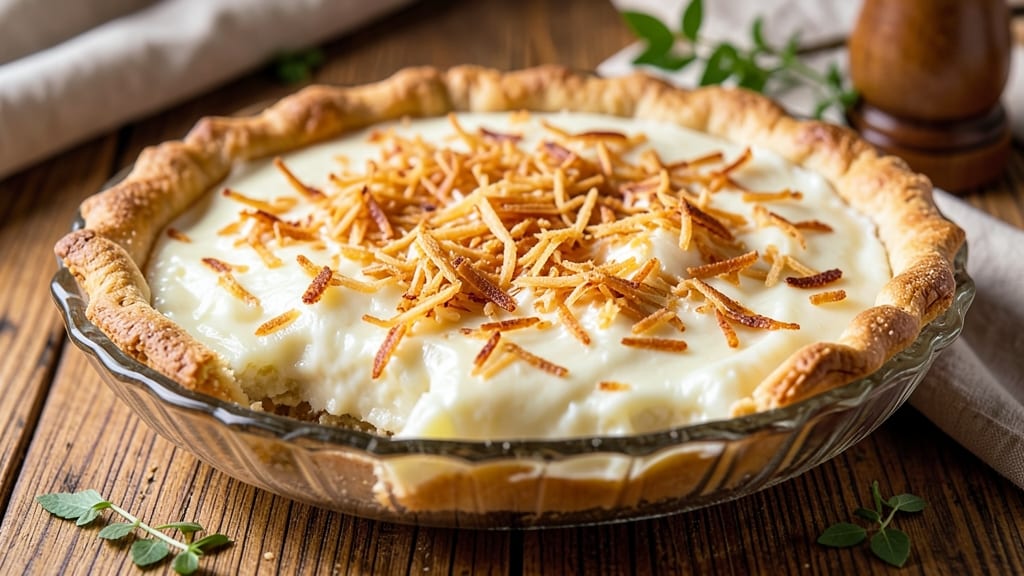
This African American coconut pie recipe brings the rich, nutty flavors of Southern baking to life with a velvety coconut cream filling that’s both nostalgic and refined. 🌟 The pie’s origins trace back to Black Southern traditions, where coconut was a staple ingredient—transformed into desserts that balanced sweetness with depth.
What makes this version special is the perfect balance of crisp crust and creamy filling, achieved through precise baking techniques that prevent a soggy bottom or grainy texture.
The foundation of this pie lies in its two-step filling process: first, a smooth coconut custard thickened just enough to hold its shape, then a layer of toasted coconut that adds that signature crunch.
I’ve tested this recipe countless times to ensure the filling stays lusily thick while the crust achieves that golden, flaky perfection—no shortcuts, just time-honored methods. The result? A pie that’s rich enough for holiday tables but simple enough for a weeknight treat.
What sets this recipe apart is its versatility—traditionalists can use a classic butter crust, while modern bakers might opt for a vegan alternative without sacrificing flavor.
The filling’s nutty undertones come from toasted coconut and a touch of vanilla, creating layers of complexity that elevate it beyond basic coconut cream pies. Each slice delivers that perfect contrast of creamy, crunchy, and buttery—proof that Southern desserts don’t have to be complicated to be unforgettable.
Ready to bake? This recipe delivers restaurant-quality results with just a few key techniques: chilling the crust properly, tempering the coconut custard, and baking at the right temperature to avoid cracks.
Whether you’re honoring family traditions or introducing a new classic to your dessert repertoire, this pie is sure to become a staple. Let’s get started!
Ingredients for african american coconut pie
Twelve ingredients, Southern tradition, and a pie that balances creamy coconut with nutty crunch.
| Ingredient | Amount | Notes |
|---|---|---|
| All-Purpose Flour 🌾 | 2 ½ cups | Sifted for light texture |
| Unsalted Butter 🧈 | 1 cup | Cold, cubed for crust |
| Granulated Sugar 🍚 | ¾ cup | For crust and filling |
| Coconut Milk (Full-Fat, Canned) 🥥 | 1 can | 13.5 oz can, chilled overnight |
| Sweetened Shredded Coconut 🥥 | 2 cups | Toasted until golden |
| Vanilla Extract 🌿 | 2 tsp | Pure Madagascar preferred |
| Egg Yolks 🥚 | 4 whole | Large eggs, room temperature |
| Cornstarch 🌾 | ¼ cup | For smooth custard |
| Salt 🧂 | ½ tsp | Fine sea salt |
| Ground Cinnamon 🌿 | ½ tsp | For subtle warmth |
| Lemon Zest 🍋 | 1 tbsp | Brightens the filling |
| Heavy Cream 🥛 | ½ cup | For extra richness |
| Ice Water 💧 | ¼ cup | For crust binding |
The coconut milk is non-negotiable here—full-fat canned (like Thai Kitchen) delivers the richest texture. Chill it overnight so the cream solidifies, then scoop out the thick cream portion for the filling. Sweetened shredded coconut should be the kind you toast yourself—pre-toasted loses its crunch. For the crust, King Arthur flour or Gold Medal works best, but any all-purpose will do. The butter matters too: European-style (like Plugrá) gives more flavor, but regular unsalted butter works fine. Toast your coconut in a dry skillet until it’s golden and fragrant—that’s where the nutty depth comes from.
No canned coconut milk? Substitute 1 cup heavy cream + 1 tbsp coconut oil for the filling, but the texture won’t be as luscious. Running short on vanilla? Almond extract at half the amount works, but it’ll taste different. The crust can be made vegan by swapping butter for vegan butter (like Miyoko’s) and using aquafaba instead of ice water. For a lighter texture, fold 1 tbsp whipped egg whites into the filling before baking. And if you’re worried about soggy bottoms, blind-bake the crust for 10 minutes before adding the filling—trust me on this.
The crust dough should be chilled for at least 2 hours before rolling—this prevents shrinking. Store leftover filling in the fridge for up to 3 days in an airtight container, though it’s best fresh. The baked pie keeps well at room temperature for 2 days, but if you’re prepping ahead, freeze the assembled (unbaked) pie for up to 2 months. Just thaw overnight before baking. And if you’re serving a crowd, double the filling—it disappears fast, especially with that toasted coconut crunch on top.
Why You'll Love This Recipe
- I’ll be real: this pie disappears fast, but the good news is, it’s just as good the next day. The crust stays crisp, the filling stays luscious, and the coconut topping? Even better after a night’s rest. And since it’s budget-friendly (thanks to that can of coconut milk and basic pantry items), you can make a double batch without guilt.
- No-Fuss Layers: I swear by this pie because it’s basically assembly-line baking—just roll out the crust, dump in the filling, and let the oven do the work. That buttery shortbread crust and creamy coconut custard? They come together faster than you’d think, especially when you’re using pantry staples.
- Coconut Magic: Honestly, the flavor hits different. That full-fat coconut milk makes the filling rich and velvety, while the toasted shredded coconut on top adds crunch that’s chef’s kiss. It’s like a tropical vacation in every bite, and it’s all thanks to those two simple ingredients doing their thing.
- Potluck Hero: Between us, this pie is my go-to for gatherings—birthdays, church dinners, or just because. It travels well, slices neatly, and even holds up when you’re feeding a crowd. Plus, the coconut flavor feels special but isn’t fussy, so it’s a crowd-pleaser every time.
Step-by-step instructions for Southern-style coconut cream pie
Here's how to create a rich, nutty coconut pie with a flaky crust and velvety filling.
👨🍳 Step 1: Prepare the Crust Mixture
In a large bowl, combine the 2.5 cups all-purpose flour, 0.5 tsp salt, and 0.5 tsp ground cinnamon. Cut in the 1 cup unsalted butter using a pastry cutter or your fingers until the mixture resembles coarse crumbs with pea-sized butter pieces. Sprinkle in the 0.75 cup granulated sugar and mix until evenly distributed.
Gradually add the 0.25 cup ice water, 1 tablespoon at a time, mixing gently with a fork just until the dough comes together. Avoid overmixing—this creates a tender, flaky crust. Divide the dough into two equal portions, flatten into discs, wrap in plastic, and refrigerate for at least 1 hour to firm up.
🍳 Step 2: Assemble and Blind-Bake the Crust
Preheat your oven to 375°F. Roll out one dough disc on a lightly floured surface into a 9-inch pie crust, about ⅛-inch thick. Transfer to a 9-inch pie dish, trimming excess dough. Prick the bottom with a fork and line with parchment paper. Fill with pie weights or dried beans.
Bake for 15 minutes, then remove the weights and bake for an additional 10 minutes until the edges are light golden brown. Remove from oven and set aside. Reduce oven temperature to 350°F for the filling.
🥘 Step 3: Toast the Coconut and Prepare the Filling
In a dry skillet over medium heat, toast the 2 cups sweetened shredded coconut for 3-4 minutes, stirring constantly until golden brown and fragrant. Remove from heat and set aside. In a separate bowl, whisk together the 4 whole egg yolks, 0.25 cup cornstarch, 0.5 cup heavy cream, 2 tsp vanilla extract, 1 tbsp lemon zest, and remaining 0.25 cup granulated sugar until smooth.
Open the chilled can of coconut milk and scoop out the thick cream, reserving the liquid. Whisk the coconut cream into the egg mixture until fully combined. Slowly stir in the reserved coconut milk liquid, then fold in the toasted coconut.
⏰ Step 4: Bake the Filling to Perfection
Pour the filling into the pre-baked crust. Bake for 40-45 minutes until the filling is set but still slightly jiggly in the center. The edges should be golden brown, and the center should be just set—it will continue thickening as it cools.
Remove from oven and let cool completely at room temperature. Chill in the refrigerator for at least 4 hours, preferably overnight, to allow the flavors to meld and the texture to firm up properly.
🍽️ Step 5: Serve with Confidence
Slice the pie into wedges and serve at room temperature. The crust should be flaky and golden, while the filling should be creamy, nutty, and rich with a perfect balance of sweetness and citrus brightness. Garnish with additional toasted coconut if desired, but trust me—this pie tastes even better without it.
Pro Tips For Making African American Coconut Pie
- Preheat Pan Properly: This pie needs a hot start—place your 9-inch pie dish in a 375°F (190°C) oven for 5 minutes before adding the crust. I learned this the hard way after my first crust turned soggy; the heat jump-starts the baking and prevents a gummy bottom. (Yes, even if you're impatient like me, skip this step and you'll regret it.)
- Whisk Coconut Milk First: Shake the can of coconut milk hard before opening—it separates like crazy. Pour it into a bowl and whisk vigorously to recombine the cream and liquid. After burning three batches with lumpy fillings, I finally realized this is non-negotiable for a smooth, velvety texture.
- Don’t Overmix the Filling: Stir the coconut milk mixture just until the sugar dissolves—overmixing aerates it, and that leads to a dense, cakey pie instead of a light, custardy one. Drop spoonfuls in gently and avoid swirling; let the oven do the work. (Your future self will thank you.)
- Toast the Coconut: Spread the sweetened shredded coconut on a baking sheet and toast it at 350°F (175°C) for 5–7 minutes until fragrant and golden. This upgrades the flavor from bland to caramelized, and it prevents the coconut from sinking like a rock to the bottom. Sounds weird, but it works—trust the process.
Common mistakes when making your african american coconut pie
Overmixing the Dough
This is the #1 mistake that turns a flaky crust into a tough one. When you mix the dough too much—especially after adding ice water—you develop the gluten, which makes the crust dense instead of tender. I’ve seen home bakers turn this into a brick!
The key is to stop mixing as soon as the dough just holds together. Use a fork and work quickly—your goal is to avoid overworking the butter too. 🥥
Skipping the Blind-Bake
If you skip blind-baking the crust, you risk a soggy bottom that’s every bit as disappointing as it sounds. The filling is very moist, and without a pre-baked base, the crust will absorb too much liquid. I’ve had to eat soggy-bottomed pies that were otherwise perfect—don’t let that be you!
Blind-bake for 15 minutes with weights, then another 10 minutes without. This ensures a sturdy foundation that holds up to the creamy filling.
Undertoasting the Coconut
The toasted coconut is what gives this pie its signature nutty depth, so don’t rush it! If you toast it too quickly, it’ll stay pale and taste bland. Heat the skillet over medium heat and stir constantly for 3-4 minutes until it’s golden brown and smells fragrant.
If you burn it, you’ll get bitter flavors that ruin the whole pie. Trust me, the extra minute of toasting makes all the difference. 🌶️
Overbaking the Filling
This is where even experienced bakers go wrong. The filling should be set but still slightly jiggly in the center when you take it out of the oven—it’ll firm up as it cools. If you bake it until it’s completely firm, it’ll turn grainy and lose that silky texture.
Check for doneness at 40 minutes, then let it cool completely before chilling. Patience here is key—rushing leads to a dry, unappetizing result.
Not Chilling the Pie
Chilling is not optional—it’s what transforms a good pie into a great one. If you serve it too soon, the filling will be runny and the flavors won’t meld properly. Let it cool completely at room temperature, then refrigerate for at least 4 hours (overnight is even better).
This step ensures the filling sets up perfectly and the crust stays crisp. Skipping it means you’ll end up with a pie that’s more like a pudding. ❄️
Using Low-Quality Coconut Milk
This is a game-changer: full-fat canned coconut milk is non-negotiable for that rich, creamy texture. Light or shelf-stable versions won’t give you the same depth of flavor or thickness. I recommend Thai Kitchen or Goya brands—they’re affordable and deliver consistent results.
If you substitute with coconut cream or lighter milk, your filling will be thinner and less flavorful. Don’t cut corners here—it’s the heart of the pie!
Nutrition facts
Frequently asked questions
What makes this coconut pie different from other coconut cream pies?
This recipe stays true to its African American roots by balancing rich coconut cream with toasted coconut for nutty depth and a flaky cinnamon-spiced crust. Unlike basic recipes, we use full-fat coconut milk and a two-step filling process (smooth custard + toasted coconut) to create that signature Southern texture. The lemon zest and vanilla add brightness that keeps it from being too sweet.
Can I make this pie without eggs for a vegan version?
Yes! Replace the 4 egg yolks with ½ cup aquafaba (chilled chickpea brine) mixed with 2 tbsp cornstarch to mimic the thickening power. Use vegan butter for the crust and ensure your coconut milk is labeled vegan. The texture will be slightly lighter but still delicious. The key is to whisk the aquafaba mixture until it's thick and glossy before baking.
How do I store leftovers to keep them fresh?
Store the pie in an airtight container at room temperature for up to 2 days. For longer storage, refrigerate for up to 5 days or freeze the baked pie (uncovered) for 2 months. Thaw overnight in the fridge before serving. The crust stays crisp when properly stored, while the filling maintains its creamy texture. Pro tip: Wrap individual slices in parchment for easy transport.
Why does my coconut pie filling sometimes turn grainy?
Graininess usually happens from either overbaking or not tempering the coconut milk properly. The filling should be set but still slightly jiggly when done (40-45 minutes). Always whisk the coconut cream into the egg mixture gradually to prevent curdling. For extra smoothness, strain the filling through a fine-mesh sieve before pouring into the crust.
What's the best way to serve this pie?
Serve at room temperature with a dollop of whipped cream or a scoop of vanilla ice cream to enhance the coconut flavor. For a Southern touch, pair with peach cobbler or buttermilk biscuits. The pie's nutty depth pairs beautifully with coffee or sweet tea. If you want to impress, dust with powdered sugar right before serving for that restaurant finish.