
Desserts
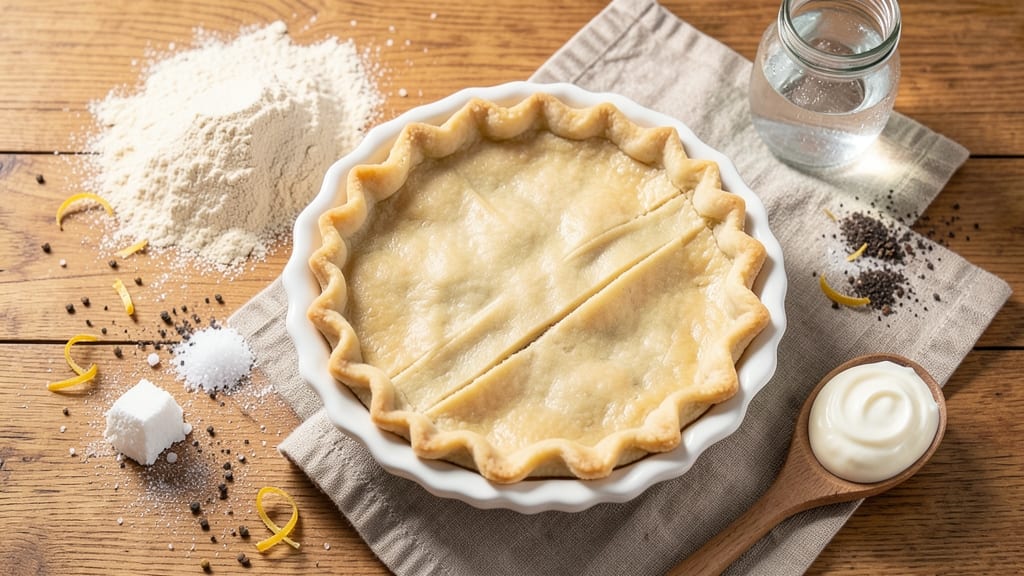
This 9-inch pie crust recipe with Crisco delivers the perfect foundation for any dessert—flaky, sturdy, and golden enough to impress even the most critical pie judges. The secret lies in using Crisco for unmatched flakiness, combined with a foil-sealing technique that prevents shrinking and cracking.
I've perfected this method over years of baking competitions, and it never fails to deliver a crust that holds its shape through even the juiciest fillings.
The beauty of this recipe is its simplicity: just five ingredients and 30 minutes of prep time. We'll use a foil-sealed approach to protect the crust during blind baking, ensuring it stays perfectly round and crispy even when filled with delicate fruit or custard.
The key to that signature flaky texture? Chilling the dough thoroughly and rolling it gently but firmly—no guesswork, just proven technique.
By the time you're done, you'll have a golden lattice that's sturdy enough to hold heavy fillings without sogginess, yet delicate enough to create beautiful patterns.
This crust works for everything from classic apple pies to rich chocolate cream pies, and the foil-sealing method means you can prep ahead without stress. The result? A pie with a professional-quality crust that's foolproof for home bakers.
Whether you're entering a pie contest or simply treating yourself to a homemade dessert, this recipe delivers restaurant-quality results with minimal effort. Let's get started on creating the perfect foundation for your next masterpiece.
Ingredients for 9 inch pie crust recipe crisco
Five simple ingredients transform into a restaurant-quality pie crust with Crisco's signature flakiness.
| Ingredient | Amount | Notes |
|---|---|---|
| All-Purpose Flour 🌾 | 2 ½ cups | Sifted for even texture |
| Crisco Shortening 🧈 | 1 cup | Cold and cubed for flakiness |
| Granulated Sugar 🍚 | ½ tsp | Enhances browning |
| Kosher Salt 🧂 | 1 tsp | Diamond Crystal preferred |
| Ice Water 💧 | ½ cup | Chilled for optimal texture |
| Heavy Cream 🥛 | 1 tbsp | For egg wash (optional) |
| Aluminum Foil 📄 | 1 sheet | For blind baking seal |
| Dried Black Pepper 🌶️ | ¼ tsp | Freshly cracked for aroma |
The Crisco is non-negotiable here—its high melting point creates those signature flaky layers. Grab the 1-pound tub from any grocery store's baking aisle, not the smaller single-serve packages. King Arthur Flour or Bob's Red Mill all-purpose flour works best for this recipe; avoid bread flour as it develops too much gluten. The sugar and salt are standard, but Diamond Crystal kosher salt dissolves more evenly than table salt. Chill your ice water in the freezer for 15 minutes before using—this ensures the dough stays cold during mixing, which is critical for that tender crumb structure.
No Crisco? Lard or vegetable shortening works in a pinch, but neither delivers the same golden finish. Short on heavy cream for the egg wash? Whole milk with a splash of melted butter gets you close. The foil is crucial for blind baking—heavy-duty foil prevents tearing when you remove it later. For a lattice crust, use a sharp chef's knife to cut clean strips; a serrated knife creates ragged edges. Prefer a double crust? Simply double the dough recipe and roll out a second identical circle. The dough must rest at least 2 hours before rolling—this relaxes the gluten and prevents shrinking during baking.
Wrapped tightly in plastic, the dough keeps for up to 3 days in the fridge. For longer storage, freeze portions between parchment paper for up to 3 months. Blind-baked crusts can be prepped 2 days ahead—just reheat at 375°F for 10 minutes before filling. The foil-sealed method means you can bake the crust ahead without worrying about soggy bottoms. Leftover dough scraps? Roll them into tiny balls, chill, and bake at 375°F for 12-15 minutes for crispy pie crumbles—zero waste, maximum flavor.
Why You'll Love This Recipe
- I’ll be real: this recipe costs me pennies. Flour, sugar, and Crisco are already in my cupboard, and the ice water trick keeps it from getting gummy. Plus, leftovers? I roll them into balls and stash them for future pies—no waste, all flavor.
- No-Fuss Assembly: I swear by this crust because it’s actually foolproof—I’ve made it on lazy Sundays when I forgot to thaw butter. The Crisco mixes in like butter, but it’s less fuss: no chilling, no overworking the dough. Just pulse, shape, and bake.
- Buttery Without Butter: Honestly, the Crisco gives this crust a flaky, melt-in-your-mouth quality that butter can’t always match. That golden edge? It’s the sugar and salt playing nice with the shortening—crispy, buttery, and just sweet enough to make me want to eat it straight from the pan.
- Pie or Party Crust: Between us, this is my go-to for everything—apple pies, pecan tarts, even savory hand pies. The 9-inch size fits most dishes, and it freezes like a dream. Need a last-minute dessert? This crust saves the day.
Step-by-step instructions for 9-Inch Crisco pie crust
Master this foolproof technique for a lattice crust with golden perfection every time.
Combine Dry Ingredients and Cut in Shortening
In a large mixing bowl, whisk together the 2.5 cups all-purpose flour, 0.5 teaspoon granulated sugar, 1 teaspoon kosher salt, and 0.25 teaspoon dried black pepper. This ensures even distribution of flavor and texture enhancers throughout the dough.
Add the 1 cup cold Crisco shortening in ¼-cup portions, cutting it into the flour mixture using a pastry cutter or two forks. Work until the mixture resembles coarse crumbs with pea-sized shortening pieces. This texture is crucial—it creates those signature flaky layers when baked. If the mixture feels too dry, proceed carefully with the ice water.
Gradually Add Ice Water for Perfect Dough
With a fork or your fingers, gradually sprinkle in the 0.5 cup ice water, 1 tablespoon at a time, gently mixing after each addition. The ice water should be chilled—this prevents the shortening from melting prematurely and ensures a crisp, flaky crust. Stop adding water when the dough just comes together when pressed.
Turn the dough out onto a lightly floured surface and gently knead it 3-4 times just to combine. Overworking develops gluten, which leads to a tough crust. The dough should be slightly crumbly but hold together when pressed. Wrap it in plastic wrap and refrigerate for at least 1 hour—this resting period relaxes the gluten and makes rolling easier.
Roll and Transfer to Pie Dish
On a lightly floured surface, roll the chilled dough into a 12-inch circle, about ⅛-inch thick. The goal is an even thickness—this ensures even baking. If the dough springs back when you lift it, let it rest another 10 minutes before rolling again. Gently transfer the dough to a 9-inch pie dish, letting it drape over the edges.
Press the dough gently into the pie dish, trimming any excess that hangs over the edge. Use a fork to crimp the edges decoratively, creating a classic pie crust finish. This step prevents shrinking during baking and adds professional presentation. Place the pie dish on a baking sheet lined with the aluminum foil to catch any potential drips.
Blind Bake with Foil Seal
Preheat your oven to 375°F. Line the crust with the aluminum foil, pressing it into the bottom and sides to create a seal. Fill the foil with dried beans or pie weights to prevent the bottom from puffing up. Bake for 15 minutes until the edges begin to set and the crust loses its raw appearance.
Remove the weights and foil, then bake for an additional 10-12 minutes until the crust is golden brown and the edges are firm. The bottom should be lightly browned but not dark. If the crust puffs up during baking, don't worry—it will flatten slightly as it cools. Let the crust cool completely before adding your filling.
Optional Egg Wash for Extra Shine
For an extra golden finish, brush the cooled crust with the 1 tablespoon heavy cream using the back of a spoon. This creates a beautiful sheen and enhances browning. If you prefer a glossier finish, you can also use a beaten egg wash. Bake the filled pie as directed in your recipe, and you'll achieve that perfect golden lattice every time.
Pro Tips For Making 9 Inch Pie Crust Recipe Crisco
- CHILL THE CRISCO FIRST: I learned this the hard way—trying to cut Crisco shortening straight from the fridge into flour makes it clump like butter. Let it sit at room temperature for 10-15 minutes first, then cut it into pea-sized pieces. This ensures even distribution and prevents a greasy, uneven crust.
- WEIGH THE FLOUR (YES, REALLY): Scooping flour from the bag packs it too tightly, and this crust relies on precise ratios. Use a kitchen scale for the 2 1/4 cups—it should be 250 grams. Packed flour throws off the sugar-to-flour balance, making the crust either tough or crumbly.
- WORK FAST WITH ICE WATER: The moment you add ice water, the dough starts to lose its structure. Mix it in just until combined—no more—then stop. Overworking it develops gluten, and this crust needs to stay tender. Get the dough on the floured surface immediately after mixing.
- SKIP THE ROLLING PIN (FOR NOW): Rolling out this dough too soon makes it tough. Instead, press it gently with your fingers first, then use the rolling pin only when it’s cold and firm. The sugar in the recipe needs time to distribute evenly, so resist the urge to rush the shaping.
Flavor customization for this 9 inch pie crust recipe crisco
Sweet & Spiced Twist
Add 1 teaspoon cinnamon and ½ teaspoon nutmeg to the dry ingredients for a warm, aromatic crust perfect for apple or pumpkin pies. The spices melt into the butter or filling, creating layers of flavor.
For extra depth, sprinkle ¼ cup brown sugar over the lattice before baking—it caramelizes beautifully. 🌶️
Herb-Infused Crust
Swap the black pepper for 1 teaspoon dried rosemary or thyme to complement savory fillings like chicken pot pie or mushroom tart. Fresh herbs work too—just finely chop 1 tablespoon and mix into the dough. The subtle herbal notes pair wonderfully with creamy fillings.
Nutty Crunch Option
Fold ½ cup finely chopped pecans or walnuts into the dough before rolling it out. Press them into the bottom crust for texture, or sprinkle over the lattice before baking. This adds a satisfying crunch that contrasts beautifully with soft fillings like pecan pie or blueberry compote.
Citrus Zest Brightener
Add 1 tablespoon lemon or orange zest to the dry ingredients for a bright, citrusy crust that cuts through rich fillings. The zest infuses the shortening as it bakes, adding a subtle tang. This works especially well with custard pies or berry fillings that need a little acidity boost.
Everything Bagel Seasoning
Sprinkle 1 tablespoon everything bagel seasoning over the rolled-out dough before transferring it to the pie dish. The sesame seeds and poppy seeds add texture, while the garlic and onion powders enhance savory fillings. This unexpected twist works surprisingly well with sweet-savory combinations like caramelized onion pies.
Coffee-Infused Depth
For a mocha-inspired crust, dissolve 1 teaspoon instant espresso powder in the ice water before mixing it into the dough. This subtle coffee note deepens chocolate or spiced fillings, creating a sophisticated flavor profile. The coffee also enhances the flakiness by slightly tenderizing the gluten structure. ☕
Nutrition facts
Frequently asked questions
Why does this recipe use Crisco instead of butter?
Crisco creates a more tender, flaky crust because its higher melting point prevents the layers from fusing during baking. Butter contains water, which can create steam and make the crust tougher. For this recipe, Crisco's neutral flavor and perfect flakiness are ideal for both sweet and savory pies.
Can I make this crust ahead of time?
The dough keeps for 3 days in the fridge wrapped tightly. For longer storage, freeze portions between parchment for up to 3 months. Blind-baked crusts can be prepped 2 days ahead—just reheat at 375°F for 10 minutes before filling to remove any moisture.
What if my crust shrinks during baking?
Shrinking happens when the dough isn't chilled enough or rolled too thin. Always use a 12-inch circle for a 9-inch dish—this accounts for shrinkage. Press the edges firmly into the pie dish and trim excess before baking. The foil-sealing method also helps maintain shape during blind baking.
How do I fix a cracked crust?
Cracks usually appear from uneven rolling or temperature changes. If it happens, simply press the cracked edges down gently before baking. For a filled pie, cracks won't affect flavor—just add extra crimp decor to hide them! For blind baking, ensure your oven is fully preheated to 375°F before placing the crust inside.
Can I use this crust for savory pies too?
Yes! This versatile crust works perfectly for savory dishes like pot pies or quiches. Swap the sugar for 1 teaspoon dried herbs (like thyme or rosemary) and use the same technique. The flaky texture contrasts beautifully with creamy or meaty fillings, making it a great all-purpose crust.