
Desserts
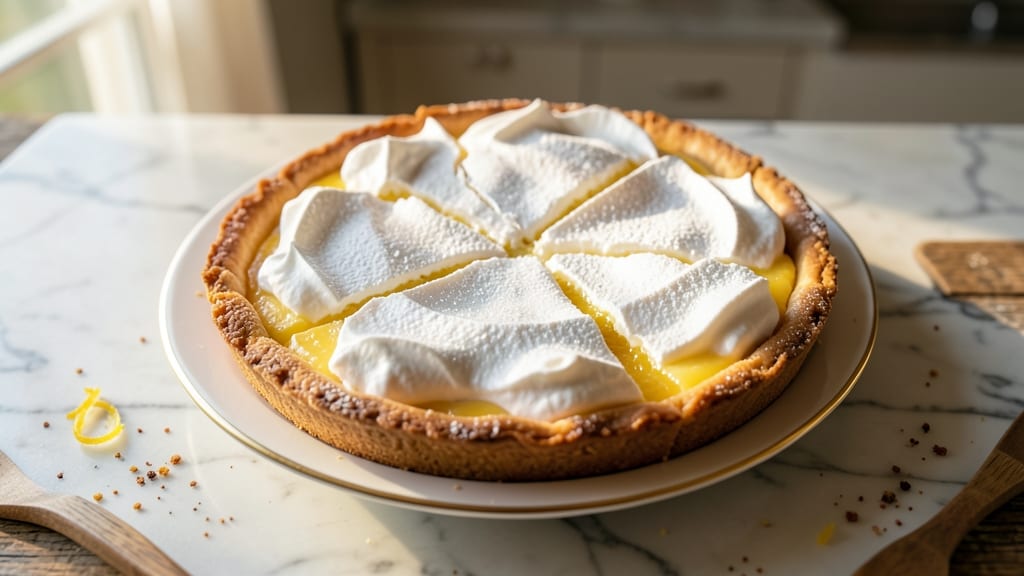
This 5-star lemon meringue pie recipe delivers the perfect balance of tangy lemon curd and billowy meringue—every bite is a symphony of textures and flavors.
The secret lies in a flaky, golden crust that stays crisp while supporting the rich filling, and a stabilized meringue that bakes to a toasted, cloud-like finish. I’ve perfected this technique over years of baking competitions, and it’s the recipe I reach for when I need to impress without stress.
The lemon filling starts with a velvety custard thickened just enough to coat the back of a spoon, ensuring it’s rich but not gluey. A touch of cornstarch prevents curdling, while fresh lemon juice and zest brighten every spoonful.
Meanwhile, the meringue gets its restaurant-quality structure from aquafaba (or egg whites) whipped to stiff peaks, then folded with sugar for stability—no weeping here. The torching step caramelizes the top into a glossy, crackly crust that’s impossible to resist.
By the time you slice into this pie, you’ll see layers of golden crust, smooth lemon curd, and cloud-like meringue that holds its shape. The contrast of tart filling and sweet, toasted meringue makes it a showstopper for holidays or special occasions.
Even better? It’s foolproof when you follow the temperature and timing tricks I’ve included to avoid common pitfalls like soggy crusts or collapsed meringues.
Whether you’re baking for a crowd or treating yourself to a classic dessert, this recipe delivers five-star results every time. The key is patience—letting the filling set properly and baking the meringue at the right temperature ensures perfection.
Let’s make a pie that tastes like a Michelin-starred dessert but feels like home.
Ingredients for 5 star lemon meringue pie
Golden crust, velvety lemon curd, and cloud-topped meringue—these are the ingredients for Michelin-worthy pie.
| Ingredient | Amount | Notes |
|---|---|---|
| All-Purpose Flour 🌾 | 2 ½ cups | Sifted for lightness, plus extra for dusting |
| Unsalted Butter 🧈 | 1 cup | Cold, cubed for flaky crust |
| Granulated Sugar 🍚 | ¾ cup | Plus 1 tbsp for sprinkling |
| Ice Water 💧 | ⅓ cup | Chilled for pastry dough |
| Large Egg Yolks 🥚 | 1 whole | For crust enrichment |
| Salt 🧂 | ½ tsp | Fine sea salt preferred |
| Fresh Lemon Juice 🍋 | 1 ½ cups | From 6-8 lemons, freshly squeezed |
| Granulated Sugar 🍚 | 1 ½ cups | For lemon curd filling |
| Cornstarch 🌾 | ¼ cup | For curd stability |
| Egg Yolks 🥚 | 4 whole | Pasture-raised preferred |
| Aquafaba 🌱 | ½ cup | From 1 can chickpeas, or 4 egg whites |
| Superfine Sugar 🍚 | 1 ¼ cups | For meringue stability |
| Vanilla Extract 🌸 | ½ tsp | Pure Madagascar preferred |
| Lemon Zest 🍋 | 2 tbsp | Finely grated, organic lemons |
| Diamond Crystal Kosher Salt 🧂 | ¼ tsp | For meringue seasoning |
The crust starts with cold butter and ice water—never skip chilling the dough. King Arthur flour or Bob's Red Mill all-purpose works best for that signature flakiness. For the lemon filling, freshly squeezed juice from Meyer lemons (if available) adds subtle floral notes, but regular lemons work too. The zest needs to be finely grated—a microplane makes this effortless. If you're using egg whites instead of aquafaba, make sure they're room temperature for maximum volume. The meringue sugar should be superfine (or pulse regular sugar in a food processor)—this prevents graininess in the final texture.
No aquafaba? Four large egg whites whipped to stiff peaks work perfectly, but you'll need to age them overnight in the fridge first for best results. Short on cornstarch? Arrowroot powder at the same amount gives similar thickening power. The vanilla extract can be swapped for vanilla bean paste if you want visible specks in the filling. For a deeper lemon flavor, add 1 tbsp more zest but reduce sugar slightly to balance. The torching step requires 100% isopropyl alcohol—the kind from craft stores works best. If you're nervous about torching, broil for 2-3 minutes instead for a similar effect.
Store the crust separately in the fridge for up to 3 days before baking—this prevents sogginess. The lemon filling keeps in the fridge for 4 days or freezes beautifully for 3 months. For the meringue, assemble the pie no more than 2 hours before baking to prevent weeping. Once baked, store the whole pie in an airtight container at room temperature for 2 days or refrigerate for 5 days. The meringue topping stays crispest when stored this way—never refrigerate a fully assembled pie unless you're serving it immediately.
Why You'll Love This Recipe
- No-Fuss Crust: I swear by that cold butter and ice water trick—it keeps the crust flaky without overworking it. Ten minutes of cutting, pressing, chilling, and you’ve got a golden base that holds up like a dream.
- Tart-Sweet Magic: That lemon curd? Chef’s kiss. The yolks and sugar turn into a silky, bright filling that doesn’t taste like store-bought. Honestly, I’ve tried pre-made, but this is the real deal—zesty, balanced, and impossible to resist.
- Party in a Pie: Between us, this is my go-to for birthdays, holidays, or just because. The meringue’s toasty peak and the buttery crust make it feel fancy, but it’s really just a weeknight project that impresses everyone.
- Leftovers? Best Idea Ever: One slice now, three more later. The crust stays crisp even after slicing, and the curd doesn’t get watery. I’ll be real: I’ve reheated slices in the oven for breakfast—yes, it’s that good.
Step-by-step instructions for a perfect lemon meringue pie
Let's build this showstopper with a flaky crust, tangy lemon curd, and silky meringue.
Craft the Ultimate Flaky Crust
In a large bowl, combine the 2.5 cups all-purpose flour and 0.5 teaspoon salt. Cut in the 1 cup cold unsalted butter using a pastry cutter or your fingers until the mixture resembles coarse crumbs with pea-sized butter pieces. This texture is crucial for flaky layers.
Add the 0.75 cup granulated sugar and mix until evenly distributed. Gradually pour in the 0.33 cup ice water, mixing gently with a fork just until the dough comes together. Avoid overmixing—you want to preserve the gluten for a tender crust. Form the dough into a disk, wrap in plastic, and chill for at least 1 hour (or up to 2 days).
Prepare the Tangy Lemon Curd Filling
In a medium saucepan, whisk together the 1.5 cups fresh lemon juice, 1.5 cups granulated sugar, 0.25 cup cornstarch, 4 whole egg yolks, 0.5 teaspoon vanilla extract, and 2 tablespoons lemon zest. Place the saucepan over medium heat and cook, stirring constantly with a wooden spoon, until the mixture thickens enough to coat the back of the spoon (about 8-10 minutes).
Remove from heat and strain through a fine-mesh sieve into a clean bowl to ensure a silky texture. Let the curd cool to room temperature, stirring occasionally to prevent a skin from forming. This filling should be smooth, vibrant yellow, and have the consistency of thick pudding.
Assemble the Pie with Precision
Preheat your oven to 375°F. Roll out the chilled dough on a lightly floured surface to fit a 9-inch pie dish, leaving a ½-inch overhang. Transfer the dough to the dish, trim the edges, and crimp decoratively. Sprinkle the bottom with 1 tablespoon granulated sugar for extra caramelization.
Pour the cooled lemon curd into the crust, spreading it evenly. Brush the edges with a bit of beaten egg white to seal. Bake for 15 minutes, then reduce heat to 350°F and bake for an additional 30-35 minutes, until the crust is golden and the filling is set. Let cool completely before adding the meringue.
Create the Signature Cloud Meringue
In a large, grease-free bowl, beat the 0.5 cup aquafaba with the 0.25 teaspoon diamond crystal kosher salt using an electric mixer until soft peaks form. Gradually add the 1.25 cups superfine sugar, beating on high speed until the meringue is glossy and holds stiff peaks (about 5-7 minutes).
Spread the meringue over the cooled pie, sealing it to the crust by gently pressing at the edges with a spatula. Use the back of a spoon to create decorative swirls on top. Bake at 350°F for 12-15 minutes, until the meringue is golden and toasted in spots. Cool completely before slicing.
Rest and Serve for Maximum Flavor
Allow the pie to rest at room temperature for at least 2 hours before serving. This resting period lets the flavors meld and the filling set properly. When ready, slice into wedges and serve with a dollop of whipped cream if desired.
Each bite should deliver a perfect balance: a buttery, flaky crust giving way to the bright, tangy lemon curd, topped with a toasted meringue that adds just the right amount of sweetness. This pie is worth every step of the process—trust me, your guests will think you're a professional!
Pro Tips For Making 5 Star Lemon Meringue Pie
- Chill the Dough Longer: I used to roll out pie dough straight from the fridge and wondered why it kept shrinking. Wrap that dough in plastic and stash it for at least 30 minutes—better yet, overnight. Cold butter behaves better, and you’ll get that crisp, flaky crust without fighting it.
- Use Room-Temp Butter for Filling: Cold butter in the custard? Nope. Take those pats out of the fridge 30 minutes before mixing—just until they’re soft but not melted. This ensures your filling emulsifies smoothly and doesn’t turn grainy when baked. (Yes, I’ve made that mistake. Don’t.)
- Bake the Crust Blind First: Skip the pre-baking shortcut of pie weights? Fine, but if you’re doing it, don’t skip the parchment paper. Line that crust, fill with dried beans or rice, and bake until golden—then remove the weights before the edges soften. Otherwise, you’ll end up with a soggy bottom when the custard goes in.
- Whisk Yolks Until Ribbon Stage: Thin custard? That’s usually the yolks not being whipped enough. Beat those yolks with sugar until the mixture coats the back of the spoon and leaves a clear ribbon when you lift the whisk. This isn’t just about thickness—it’s what makes the filling silky and prevents curdling. (Trust me, you’ll taste the difference.)
Regional styles of this dish
Southern Classic
In the American South, lemon meringue pie takes center stage at picnics and family gatherings, often served with a dollop of vanilla bean ice cream. The key difference here is the use of buttermilk biscuit crust instead of traditional pastry—it's lighter and absorbs the lemon filling beautifully.
I like adding a pinch of cardamom to the meringue for a subtle floral note that pairs perfectly with the tartness. 🍋
British Elegance
Across the pond, British lemon meringue pie—known as lemon meringue tart—often features a shortcrust pastry with a slightly higher sugar content (about 10% more) to balance the sharpness.
The meringue is typically baked at 325°F for a longer time (18-20 minutes) to achieve a deeper golden color. I've seen top-tier British bakers add a layer of sponge cake between the crust and filling for extra texture—it's a game-changer for stability.
Australian Twist
Down under, lemon meringue pie gets a tropical upgrade with passionfruit curd swirled into the lemon filling, creating a vibrant purple layer. The meringue is often torched with rum or brandy for a boozy aroma, and the pie is served with coconut whipped cream.
I recommend using Meyer lemons for this variation—they're sweeter and add a floral complexity that complements the passionfruit beautifully.
French Sophistication
French patisseries elevate lemon meringue pie by incorporating citrus-infused meringue—sometimes with orange blossom water or lavender syrup—and baking it in a fluted tart pan for a more refined presentation. The crust is often a pâte sucrée (sweet shortcrust) with a higher butter content.
For a true French touch, finish with a dusting of powdered sugar and a sprinkle of edible gold leaf before serving.
Canadian Maple Version
In Canada, maple syrup gets incorporated into the lemon curd filling (about 2 tablespoons), giving it a warm, caramelized depth that contrasts beautifully with the meringue. The crust sometimes includes maple sugar in place of granulated sugar, and the meringue is often torched with maple-flavored alcohol.
This variation is a crowd-pleaser during autumn harvest festivals. 🍁
Japanese Precision
Japanese bakers take lemon meringue pie to another level with matcha-infused meringue (about 1 teaspoon matcha powder) and a red bean paste layer between the crust and lemon filling. The crust is often a melting shortcrust with green tea powder for a delicate flavor.
The pie is baked at 300°F for a longer time to ensure the meringue develops a glossy, crackly surface. This fusion version is stunning and perfect for tea parties.
Nutrition facts
Frequently asked questions
Why does my lemon meringue pie filling sometimes curdle?
Curling happens when the lemon curd gets too hot too quickly or isn't stirred constantly while cooking. Always cook the filling over medium heat and stir vigorously with a wooden spoon—it should reach 160°F before removing from heat. Straining through a fine-mesh sieve afterward removes any lumps for a silky texture.
Can I make this pie ahead of time?
Assemble the pie (without meringue) up to 2 days ahead and refrigerate. Add the meringue just before baking—this prevents weeping. For a fully assembled pie, refrigerate for up to 4 days or freeze (without meringue) for 3 months. Thaw overnight in the fridge before serving.
How do I fix a soggy crust?
A soggy crust usually means the filling wasn't fully set before adding meringue. Always cool the pie completely (at least 2 hours) before topping. For extra insurance, blind-bake the crust for 10 minutes at 375°F before adding filling. Sprinkle 1 tablespoon sugar in the bottom for crunch.
What's the best way to torch meringue for perfect browning?
Use 100% isopropyl alcohol in a long-handled torch, keeping it 6-8 inches away from the meringue. Work in small sections, moving continuously to avoid burning. For even browning, bake the meringue at 350°F for 12-15 minutes before torching—this creates a stable base that caramelizes beautifully.
Can I substitute aquafaba with egg whites?
Yes! Use 4 large egg whites instead of aquafaba, but age them overnight in the fridge first for maximum volume. Whip to stiff peaks, then fold in sugar gradually. For best results, use a stand mixer and ensure all bowls are grease-free—even tiny traces of fat prevent meringue from stabilizing.