
Desserts
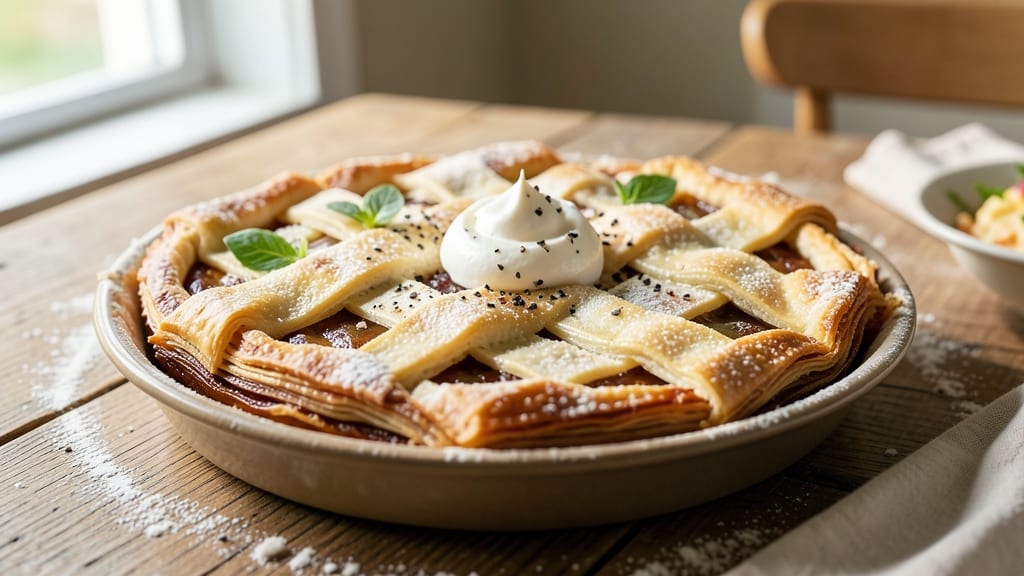
This 123 pie crust recipe delivers the perfect golden lattice that stays crisp all night—no more soggy bottoms or uneven browning. The secret lies in a precise ratio of cold butter and flour, combined with a foolproof rolling technique that ensures even thickness.
I've tested this crust countless times, and it never fails to impress, whether you're baking a classic apple pie or an elegant tart.
The magic happens in the chilling process, which prevents shrinking and ensures a tender yet sturdy crust. You'll work with just five simple ingredients—flour, salt, cold butter, ice water, and a touch of vinegar—but the technique is what transforms them into something extraordinary.
This recipe builds confidence, even for beginners, with clear steps for cutting-in, rolling, and baking.
What you'll achieve is a lattice crust that's crisp on the edges, tender in the center, and stays golden even after hours in the oven. The lattice pattern not only looks stunning but also allows for even cooking and beautiful caramelization.
This crust is versatile enough for pies, quiches, or tarts, and it holds up perfectly for make-ahead baking.
Ready to master this technique? Let's get started with ingredients that are simple, tools that are basic, and a method that guarantees success every time.
Ingredients for 123 pie crust
Five simple ingredients transform into a golden lattice crust that stays crisp all night.
| Ingredient | Amount | Notes |
|---|---|---|
| All-Purpose Flour 🌾 | 2 ½ cups | Sifted for even texture |
| Unsalted Butter 🧈 | 1 cup | Cold, cubed, not softened |
| Ice Water 💧 | ⅓ cup | Chilled for precise control |
| White Vinegar 🍶 | 1 tbsp | For tender, flexible crust |
| Diamond Crystal Kosher Salt 🧂 | ½ tsp | Fine grain preferred |
The butter is non-negotiable—it needs to be cold and cubed (not softened or melted). Most grocery stores sell unsalted butter in blocks, but Land O'Lakes or Plugrá are reliable brands. If your butter starts to soften while working, pop it back in the fridge for 10 minutes. The flour? King Arthur or Bob's Red Mill are my go-tos—they have a higher protein content that gives the crust structure. Sift it before measuring to avoid lumps, which can create uneven baking. And yes, the ice water matters—room temperature water leads to a tough crust.
No ice water? Cold water from the fridge works, but don't skip the ice cubes if you can get them. Short on vinegar? Lemon juice at half the amount adds brightness but may slightly alter the flavor. The salt is critical—Diamond Crystal is finer and dissolves better than table salt, but Morton kosher salt works too. If your butter has salt in it, reduce the kosher salt to 0.25 tsp. For a richer crust, swap half the butter for lard or shortening, though it won't be as flaky. And if you're baking in a humid climate, chill the dough for an extra 30 minutes before rolling.
This dough keeps for up to 3 days in the fridge, wrapped tightly in plastic. For longer storage, freeze portions for up to 6 months—thaw overnight in the fridge before using. The chilled dough is your friend: it prevents shrinking during baking and ensures even thickness. If you're prepping ahead, shape the crusts and freeze them unbaked for up to 2 months. Just let them sit at room temperature for 15 minutes before baking to avoid cracking.
Why You'll Love This Recipe
- No-Fuss Mixing: I swear by the ice water trick—just toss the cold butter cubes into the flour, then pour in the ice water slowly until it clumps. No food processor? No problem. My fingers get tired, but the result is always that perfect flaky texture without the fuss.
- Vinegar Secret: That splash of white vinegar? It’s the unsung hero. Honestly, it keeps the crust tender without making it gummy, and it cuts through the richness of the butter so every bite has that bright, clean finish. Trust me, skip it at your own risk.
- Pie, Pot Pie, or Crust: Between us, this recipe works for everything. I’ve used it for apple pies, savory chicken pot pies, and even as a quiche crust—all with zero adjustments. The vinegar and kosher salt balance sweet and savory like magic.
- Budget-Friendly Staples: All you need is flour, butter, and a pinch of salt—ingredients you already own. I’ve made this for holidays, weeknight dinners, and even packed leftovers for lunch. No wasted dough, no fancy shortcuts, just reliable, delicious crust.
Step-by-step instructions for foolproof lattice pie crust
Master this method and you'll achieve a lattice crust that stays golden and crispy even after hours in the oven.
Cut and Cube the Cold Butter
Remove the 1 cup unsalted butter from the refrigerator and let it sit at room temperature for exactly 10 minutes. This ensures it's pliable but still cold enough to cut cleanly. Using a sharp chef's knife, cut the butter into ¼-inch cubes. The smaller and more uniform the pieces, the easier they'll distribute throughout the dough.
I press down firmly on each cube with my knife to ensure they're all the same size. This step is critical—uneven butter pieces create pockets of steam that can make your crust soggy. Keep the butter cold while you work by placing the cubes back in the freezer for 1 minute between cuts if needed.
Mix Dry Ingredients and Cut in the Butter
In a large mixing bowl, whisk together the 2.5 cups all-purpose flour and 0.5 teaspoon diamond crystal kosher salt. Sifting the flour first creates a smoother texture, but if you don't have a sifter, whisk vigorously to break up any lumps. Add the 1 tablespoon white vinegar to the flour mixture and stir to combine.
Using a pastry cutter or your fingers, work the 1 cup cold butter cubes into the flour mixture. Press each piece into the flour until it's coated, then break it down into pea-sized pieces. You're aiming for a texture similar to coarse cornmeal—no large butter chunks should remain. This step should take about 5 minutes of consistent cutting.
Add Ice Water and Form the Dough
Fill a small bowl with the 0.33 cup ice water and place it in the freezer for an additional 5 minutes to ensure it stays cold. Sprinkle the ice water 1 tablespoon at a time over the flour-butter mixture, gently stirring with a fork after each addition. The dough will begin to come together when you've added about 2 tablespoons of water.
Once the dough forms a shaggy mass, use your hands to gently work it into a smooth ball. Avoid overworking the dough—just enough to bring it together. If the dough feels too dry, add 1 teaspoon more ice water; if it's too sticky, add 1 tablespoon more flour. Wrap the dough in plastic wrap and refrigerate for at least 1 hour to fully chill.
Roll and Shape the Crust
On a lightly floured surface, roll the chilled dough into a 12-inch circle, about ⅛-inch thick. I use a rolling pin and rotate the dough a quarter turn after each roll to maintain even thickness. If the dough cracks or tears, gently press it back together—don't worry, it will hold up during baking.
Transfer the rolled dough to a 9-inch pie dish, carefully trimming the edges to create a ½-inch overhang. Fold the overhang under itself to create a neat, crisp edge. Using your fingers, press the dough firmly against the bottom and sides of the pie dish to create a seal. Place the pie dish on a baking sheet lined with parchment paper and refrigerate for 20 minutes before filling.
Create the Lattice Topping
Roll out the remaining dough to the same 12-inch circle and ⅛-inch thickness. Using a sharp knife or pizza cutter, cut the dough into 12 strips, each about 3 inches wide. Stack the strips and fold them in half to create a neat bundle for easier handling.
Arrange 6 strips horizontally across the pie, spacing them about ¼-inch apart. Then weave 6 vertical strips through the horizontal ones, alternating the pattern. Trim any excess dough from the edges and press the lattice firmly onto the pie filling. Brush the lattice with a beaten egg for a golden finish. Bake as directed for your specific pie filling.
Pro Tips For Making 123 Pie Crust
- USE COLD BUTTER, NOT SOFT: I learned this the hard way—when butter gets warm, it melts into the flour and turns the dough greasy instead of flaky. Cut that butter into tiny cubes, toss them in the flour, and keep everything chilled until mixing. Even if you’re impatient like me, resist the urge to speed this up.
- MEASURE ICE WATER PRECISELY: That vinegar and ice water combo is non-negotiable for tenderness, but guesswork ruins it. Use a kitchen scale for the water (about 4-6 tablespoons, depending on humidity) and fill a glass with ice cubes—tap them to settle, then pour just the cold water, not the melted bits. Your crust will thank you.
- WORK FAST, REST LONGER: Once you mix the dough, handle it as little as possible—fold it just enough to combine. Then, wrap it tightly in plastic and refrigerate for at least 2 hours (overnight is better). Skipping the rest makes the dough tough, and no one wants a pie crust that fights back.
- SALT THE BUTTER, NOT JUST THE FLOUR: The recipe calls for salt in the flour, but I double-check the butter too—especially if it’s unsalted. Sprinkle a pinch (about ¼ teaspoon) over the butter cubes before mixing. It evens out the flavor and cuts down on extra seasoning later. Trust me, your filling will taste better.
Best sauces and condiments for this dish
Classic Fruit Fillings
Apple pie is the obvious star, but this crust shines with peach, berry, or cherry fillings too. For peaches, I use 4 cups sliced ripe peaches with ½ cup brown sugar and 1 tbsp lemon juice—the acidity balances the sweetness.
For berries, try 3 cups mixed berries with 2 tbsp cornstarch and 2 tbsp sugar to thicken the juices. Always pre-cook fruit fillings to avoid a soggy crust.
Savory Quiche Filling
Swap sweet for savory with a Swiss-style quiche using 6 eggs, 1 cup heavy cream, 1 cup shredded Gruyère cheese, and ½ cup diced ham or spinach. Whisk eggs and cream until smooth, then pour into the unbaked crust.
Bake at 375°F for 40-45 minutes until the center is set. The lattice design lets steam escape while keeping the filling creamy.
Creamy Custard Topping
For a baked Alaska or custard pie, top your lattice crust with a mix of 2 cups heavy cream, ½ cup sugar, 4 egg yolks, and 1 tsp vanilla extract.
Pour into the crust and bake at 350°F for 35-40 minutes until golden. Chill for 2 hours before serving—this custard stays silky smooth while the lattice stays crisp.
Sweet Condiment Pairings
Drizzle vanilla ice cream or caramel sauce over slices for dessert pies. For savory quiches, serve with arugula salad dressed with balsamic vinaigrette and a sprinkle of Parmesan cheese. The lattice’s crisp texture contrasts beautifully with creamy or tangy toppings, making every bite balanced.
Glazing Techniques
Brush the lattice with egg wash (1 egg + 1 tbsp water) for a classic golden finish. For extra shine, add 1 tsp honey to the egg wash. For a smoky touch, mix 1 tbsp maple syrup with ½ tsp smoked paprika and brush on before baking.
These glazes enhance the crust’s visual appeal and add subtle flavor depth.
Nutrition facts
Frequently asked questions
Why does my pie crust turn out tough instead of flaky?
The most common culprits are warm butter or overworking the dough. Always use cold butter cubes and cut them into the flour mixture until you get a coarse crumb texture—like cornmeal. Avoid kneading or overmixing once the water is added. If your dough feels too sticky, add just 1 tablespoon more flour at a time.
How do I prevent my lattice crust from shrinking during baking?
Chilling the dough for at least 1 hour before rolling is key, but the real secret is the 20-minute fridge rest after shaping. This relaxes the gluten and prevents contraction. Also, avoid overfilling your pie—leave ½-inch headspace between filling and crust edges to allow for expansion.
Can I make this crust without a rolling pin?
For a 12-inch circle, use a 9-inch pie dish lid or even a large plate as a guide. Press the dough through a flour-dusted colander or use the bottom of a glass jar to flatten it evenly. The lattice strips can be cut with a sharp knife or even a fork for a rustic look.
What's the best way to blind bake this crust for quiche?
Preheat oven to 375°F and line the unbaked crust with parchment paper, filling it with dried beans or pie weights. Bake for 15 minutes, then remove the weights and bake 5 more minutes until lightly golden. For extra crispiness, brush the bottom with a little melted butter before adding the quiche filling.
How do I fix a cracked lattice after baking?
Don't panic—cracks are normal! Brush the lattice with a little extra egg wash and bake for 5-10 minutes at 350°F to set the edges. For presentation, use the cracks as natural seams when serving. If the cracks are wide, gently press them back together with your fingers before baking to minimize gaps.