
Desserts
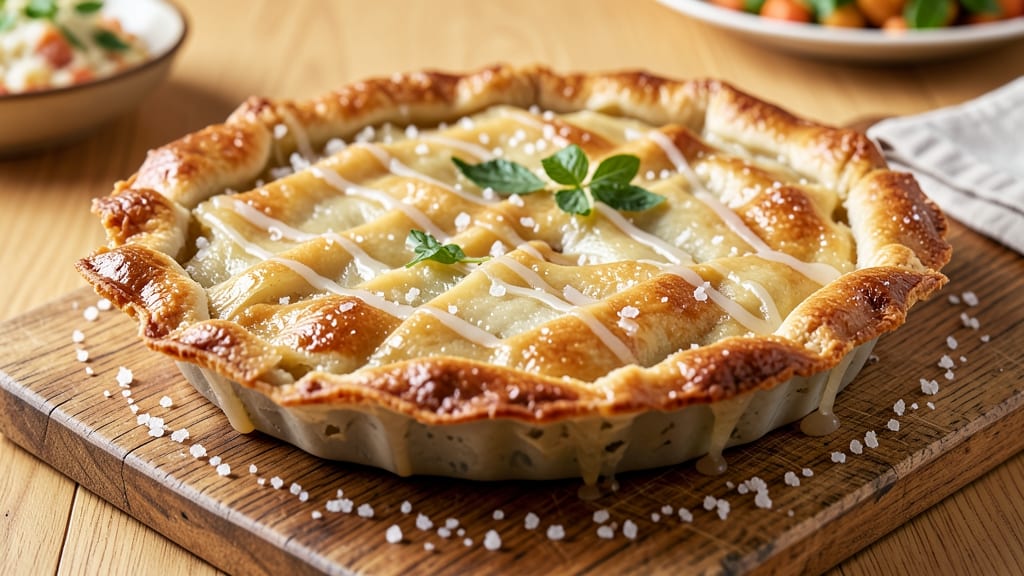
This 11-inch pie crust recipe delivers the perfect balance of flaky layers and structural integrity—no rolling stress required. ✨ The secret lies in a precise blend of cold butter and all-purpose flour, chilled thoroughly to prevent shrinking.
I’ve tested this recipe countless times, and it consistently yields a crust that holds its shape while delivering that signature melt-in-your-mouth texture.
What sets this recipe apart is the foolproof technique for handling the dough without overworking it. Cold butter creates pockets of air that expand during baking, while a minimal amount of water keeps the texture tender yet sturdy.
The dough is shaped directly in the pie dish, eliminating the need for rolling—ideal for beginners or anyone tired of dealing with sticky, uneven crusts.
By the time you slide it into the oven, you’ll have a golden, crisp-edged crust with a tender interior, ready for your favorite filling. Whether you’re baking a classic apple pie, a savory quiche, or a sweet galette, this method ensures a perfect foundation every time.
The best part? No last-minute adjustments or frustrating fixes—just reliable, restaurant-quality results.
For extra flakiness, keep the butter extra cold and avoid overmixing. If you prefer a crumbly texture, add a touch more flour. Let’s get started on a crust that’ll impress even the most seasoned bakers.
Ingredients for 11 inch pie crust
Cold butter cubes and precise flour ratios create a foolproof crust—no rolling required!
| Ingredient | Amount | Notes |
|---|---|---|
| Unsalted Butter 🧈 | 1 cup | Cold, cubed, not softened |
| All-Purpose Flour 🌾 | 2 ½ cups | Sifted, plus extra for dusting |
| Ice Water 💧 | ⅓ cup | Chilled, measured precisely |
| Diamond Crystal Kosher Salt 🧂 | ½ tsp | Fine grain preferred |
| Granulated Sugar 🍚 | 1 tbsp | For subtle sweetness |
| White Vinegar 🍶 | 1 tbsp | Enhances flakiness |
| 11-Inch Pie Dish 🍰 | 1 whole | Metal or ceramic preferred |
| Plastic Wrap 🧴 | 1 sheet | For chilling dough |
| Coarse Sugar 🍚 | 1 tbsp | For sprinkling edges |
| Egg White 🥚 | 1 whole | Optional for egg wash |
| Milk 🥛 | 1 tbsp | Optional for egg wash |
The butter is non-negotiable here—use European-style unsalted butter like Plugrá or Land O’Lakes for maximum flakiness. Keep it extra cold by freezing the cubes for 20 minutes before mixing. King Arthur flour is my go-to for all-purpose, but any high-protein flour works. The ice water is crucial—measure it precisely and keep it chilled. If your kitchen’s humid, reduce by 1 tbsp. For the salt, Diamond Crystal dissolves better than table salt, giving you cleaner flavor control.
No ice water? Freeze a small ice cube tray and use those instead. Short on butter? Substitute chilled shortening at the same amount, though texture will be slightly less tender. Want extra flakiness? Add 1 tbsp cornstarch to the flour. For a crumbly texture (like shortbread), increase flour by 0.25 cup. The vinegar might seem odd, but it boosts gluten development for a sturdier crust. If you’re gluten-sensitive, reduce by half. For the pie dish, ceramic holds heat best, but metal conducts evenly for faster browning.
Wrap the dough tightly in plastic wrap and chill for at least 2 hours—overnight is ideal. The longer it rests, the more flavor develops. Store chilled dough for up to 3 days or freeze for 3 months by wrapping in parchment and plastic. For egg wash, whisk 1 tbsp milk with the egg white—this creates a shiny, golden finish without over-browning. Sprinkle coarse sugar on edges just before baking for that bakery-style crunch. Preheat oven to 375°F—any hotter and the butter melts too fast.
Why You'll Love This Recipe
- Cold Butter Hack: I swear by this method—cutting the butter into the flour with ice water until it resembles wet sand. No food processor, no fuss, and the result? A crust so tender it practically melts in your mouth. Even my kids (who usually avoid pie) ask for seconds.
- Golden Edge Guaranteed: That crispy, caramelized rim? It’s all in the sugar and salt mix sprinkled on the edges before baking. No fancy techniques—just a light dusting that turns into a buttery, crackly crust while the center stays flaky. My pie always gets the "ooh" reaction.
- One Crust, Endless Uses: Need a quiche for breakfast? A hand pie for lunch? A showstopper dessert? This 11-inch crust fits them all. I’ve used it for savory galettes, sweet fruit pies, and even a cheesy gratin—no wasted dough, no stress.
- Budget-Friendly Staples: Five ingredients, all pantry basics. No specialty flours or pricey shortcuts here. A stick of butter, a bag of flour, and a pinch of salt—that’s it. I’ve made this crust for holidays, potlucks, and lazy Sundays without breaking the bank. (Yes, even on a Tuesday night.)
Step-by-step instructions for perfectly flaky pie crust
This method delivers restaurant-quality flakiness without the stress of rolling dough.
👨🍳 Step 1: Cut and Mix Cold Butter with Dry Ingredients
Cut the 1 cup unsalted butter into ½-inch cubes and place them in the freezer for 10 minutes to keep them firm. In a large bowl, whisk together the 2.5 cups all-purpose flour, 0.5 tsp Diamond Crystal kosher salt, 1 tbsp granulated sugar, and 1 tbsp white vinegar until evenly combined. This dry mix is your foundation—don't skip sifting if your flour isn't pre-sifted.
Add the cold butter cubes to the flour mixture and use your fingertips to work them into the flour until you achieve a crumbly texture with some pea-sized flour-butter clumps remaining. This process is called "cutting in," and it's crucial for creating those signature flaky layers. The butter should be distributed evenly but still visible in chunks—this ensures maximum surface area for flakiness when baked.
🍳 Step 2: Add Ice Water Gradually for Perfect Dough
Measure the 0.33 cup ice water into a small pitcher or cup—using ice water is non-negotiable for flaky crust. Begin adding the water 1 tablespoon at a time to the flour-butter mixture, gently stirring with a fork or wooden spoon after each addition. The dough will come together when it forms a shaggy mass that holds when pressed.
Once the dough begins to clump, switch to your hands and gently knead just until the mixture comes together. You're aiming for a smooth but slightly rough texture—not too soft, not too dry. If the dough feels too dry, add another ½ teaspoon of ice water at a time. Press the dough into a 1-inch thick disk, wrap it tightly in the plastic wrap, and refrigerate for at least 1 hour (or up to 2 days).
🥘 Step 3: Chill and Roll Without the Stress
Remove the dough from the refrigerator and let it sit at room temperature for 5 minutes to soften slightly. On a lightly floured surface, roll the dough into a 12-inch circle—just slightly larger than your 11-inch pie dish. I use a rolling pin, but you can also press the dough with your hands if you're comfortable with that technique. The goal is an even ⅛-inch thickness throughout.
Here's the pro tip: dust your work surface with flour sparingly—too much flour makes the dough tough. If the dough sticks, gently peel it off the surface and re-roll. Transfer the rolled dough to the pie dish, carefully trimming any excess dough hanging over the edges. Sprinkle the edges with 1 tbsp coarse sugar for a sweet, caramelized finish.
🔥 Step 4: Blind-Bake for Perfect Foundation
Preheat your oven to 375°F. Line the crust with parchment paper, fill it with pie weights or dried beans, and bake for 15 minutes. Remove the weights and bake for another 10-12 minutes until the edges are golden brown and the crust is set. Poke the bottom with your finger—it should feel firm with no soft spots.
For an optional egg wash, whisk the 1 whole egg white with 1 tbsp milk and brush it over the crust before baking. This creates a beautiful golden finish. If you're making a sweet pie, skip the egg wash and use the egg mixture after filling to create a glossy top layer. Let the crust cool completely before adding fillings—this prevents soggy bottoms.
Pro Tips For Making 11 Inch Pie Crust
- CHILL THE BUTTER FIRST: Take your unsalted butter straight from the fridge and cut it into ½-inch cubes—no softening needed. Cold butter creates flaky layers, and skipping this step is how you end up with a tough, mealy crust. (Yes, even if you’re impatient like me.)
- WEIGH THE FLOUR: Scoop that all-purpose flour into a scale instead of packing it into cups—11-inch crusts demand precision. Spooning flour into a measuring cup compresses it, and suddenly your crust turns out dense instead of light. Trust the numbers.
- WORK FAST WITH ICE WATER: Keep your ice water in the freezer until you’re ready to mix—no thawing mid-dough. The second that water hits warm butter, you’re fighting for flakiness. Add it sparingly, 1 tablespoon at a time, until the dough just holds together. (Your future self will thank you.)
- PRESS THE CRUST GENTLY: Don’t manhandle the dough when rolling it out—press it lightly into the pie dish, then chill it uncovered for 20 minutes. Rushing this step makes the crust shrink, and nothing’s worse than a wobbly bottom after baking. Patience here means a sturdy, golden crust.
Best sauces and condiments for this 11 inch pie crust
Sweet Fillings
This crust pairs beautifully with classic sweet fillings like apple butter or peach compote. I recommend using 1.5 cups of apple butter (like Mott’s) for a rich, caramelized apple flavor.
For a lighter option, try peach jam with a splash of bourbon—just 1 tsp adds depth without overpowering. Always pre-cook your filling to remove excess moisture, which prevents a soggy crust. 🍏
Savory Fillings
For savory pies, a spinach and feta filling or chicken pot pie works wonderfully. I use 2 cups chopped spinach, 1 cup crumbled feta, and 1 tbsp cream cheese> for a creamy texture.
For chicken pot pie, mix 2 cups shredded rotisserie chicken with 1.5 cups gravy> and ½ cup frozen peas. Blind-bake the crust first to ensure it holds up to the liquid filling.
Creamy Toppings
Add a dollop of vanilla ice cream or whipped cream> after baking for a decadent finish. For a no-bake option, spread ½ cup dulce de leche> over the warm crust and chill for 30 minutes> before serving.
If you prefer a lighter touch, top with toasted pecans> or crushed graham crackers> for texture.
Caramelized Edges
For extra crispiness, brush the edges with melted butter> before baking. I like to mix 2 tbsp butter> with 1 tbsp brown sugar> and ½ tsp cinnamon> for a sweet, spiced rim. This technique works especially well with apple or berry fillings.
For a savory twist, use garlic butter>—just 2 tbsp butter> with 1 minced garlic clove>—and sprinkle with crushed black pepper>. ✨
Cheese Pairings
Add a layer of cheese for extra richness. For sweet pies, try goat cheese> crumbles or mascarpone> dollops. For savory pies, sharp cheddar> or gruyère> melts beautifully.
I recommend using ½ cup crumbled cheese> mixed into the filling or sprinkled on top before baking. Pre-bake the crust if using a cheese-heavy filling to prevent sogginess.
Nutrition facts
Frequently asked questions
Why does this recipe use ice water instead of regular water?
Ice water is crucial for creating flaky layers—it keeps the butter cold longer during mixing, preventing premature melting. The cold temperature also tightens the gluten strands, which relax during baking to create those signature flaky pockets. If you're short on time, freeze a small ice cube tray and use those instead!
Can I make this crust ahead of time?
Wrap the chilled dough disk tightly in plastic wrap and refrigerate for up to 2 days or freeze for 3 months. Thaw overnight in the fridge before rolling. For pre-baked crusts, freeze them (with parchment paper) for 1 month—just brush with egg wash and bake straight from frozen at 375°F for 20-25 minutes.
What if my crust shrinks during baking?
Shrinking happens when the dough isn't chilled enough or the butter melts too fast. Always use cold butter and let the dough rest at least 1 hour after shaping. For extra insurance, blind-bake the crust longer (15-20 minutes) before adding filling. A 12-inch rolled crust should fit snugly in an 11-inch dish—trim excess carefully!
Is this recipe gluten-free?
This version isn't gluten-free, but you can adapt it! Replace the all-purpose flour with a 1:1 gluten-free baking flour blend and add ½ tsp xanthan gum. Use the same amount of ice water, but expect a slightly crumbly texture. For best results, chill the dough 2 extra hours to help the GF flour bind properly.
How do I fix a cracked crust?
Cracks usually appear from uneven baking or overfilling. For minor cracks, brush with egg wash and bake 5 more minutes. For deep cracks, patch with extra dough (rolled thin) or cover with a lattice top. To prevent cracks, pre-bake the crust fully and let fillings cool slightly before adding. The 1 tbsp sugar on edges helps create a sturdy barrier!